Don't Panic Over Yellow Leaves on Gardenias: A Few Tips for Green Leaves, Fragrant Flowers, and Fast, Full Blooms
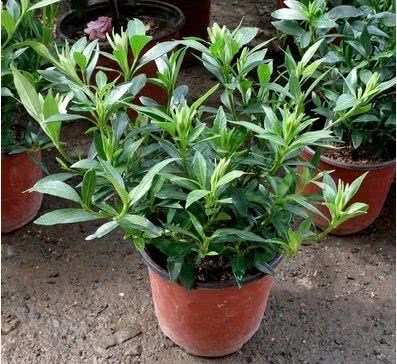
Gardenias (Gardenia jasminoides) are a potted green plant that many friends love, and their flowers are very, very fragrant, but according to many friends, they are extremely hard to grow. Just like this: a gardening friend had just bought a gardenia, let it settle for a few days, and then wanted to repot it, switching it to yellow soil plus river sand, thinking this would drain and aerate the soil, and also added nitrogen fertilizer and ferrous sulfate to the potting soil, afraid the gardenia would lack nutrients. As a result, the more it was repotted, the worse it got, and the leaves all turned yellow. Let's analyze this today.
1. For a newly bought gardenia with flower buds, first of all, repotting is not recommended, because repotting will damage the root system to some extent, and during the flowering and bud-forming period, nutrient consumption is very high, which will inevitably affect flowering.
2. When repotting, try to soak and loosen the original soil with clean water to reduce damage to the root system.
3. Even if you want to repot, you must use loose, breathable soil; this is the most important thing. Yellow clay soil has poor breathability. You can use leaf mold, large-particle river sand, and mix in a little pine needle soil to make the soil slightly acidic, which is what benefits root growth. When changing the potting soil, do not fertilize; the soil already has enough nutrients for it to absorb. If you apply nitrogen fertilizer and also water with ferrous sulfate, the pressure on the root system is too great, which will cause root rot and yellow leaves.
4. During normal repotting, we can prune overly dense branches to reduce nutrient consumption, and then bag the gardenia to keep it humid. This way, it can recover in about a week, but there will still be yellow leaves. As the plant gradually recovers, the yellow leaves will become fewer and fewer.
However, this gardenia's root system has not recovered at all, and the roots have a serious problem. At this point, it should be removed from the pot, the roots washed, the original yellow soil and river sand replaced, loose breathable soil used, some overly dense branches pruned, and a bag used to keep it humid. There is still a chance it may survive.