The king of vitamin C is a fruit that looks like a pear but is not a pear, and one of them is worth 60 apples
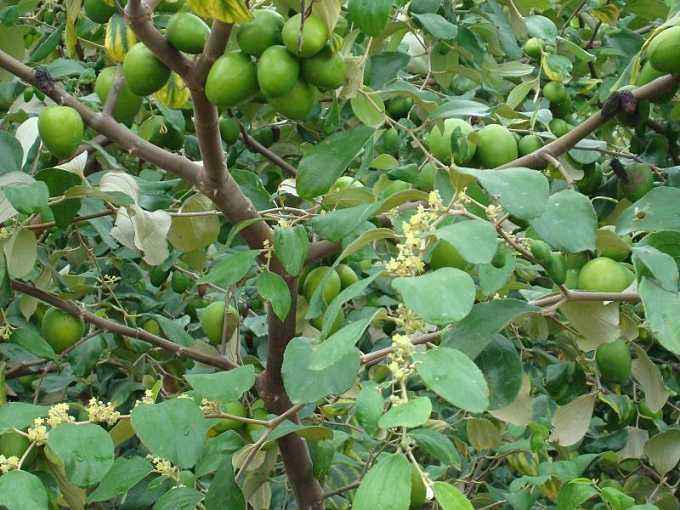
When it comes to fruits with high vitamin C content, jujubes and kiwifruit are among the standouts. But with advances in agricultural technology, people have bred many new types of fruit that not only look better, but also have better taste and nutrition. In southern China, there is a fruit that looks like a pear but is not a pear. It has become popular across the country in recent years. Its skin is green, its texture is crisp and refreshing, and its vitamin C content is very high, so it is called the new generation "king of vitamin C."
The first time I saw this fruit was in a supermarket. I saw a label on it that said "honey jujube." Although the price was not cheap, selling for 10 yuan per jin, I was drawn to the name, so I bought one jin. Unexpectedly, it really lived up to the name: very sweet and crisp, with plenty of juice, and indeed unlike the fruits commonly seen. Later I learned that this fruit was shipped from Guangxi, and its original name is green jujube. It is different from the jujube trees of the north. It is a fruit tree developed through years of selection and breeding from the Indian jujube (Ziziphus mauritiana). Its fruit is relatively large; one jujube can be as big as an egg, and it is said the heaviest can reach half a jin.
Green jujube has long had the saying of "one jujube, three flavors." If you taste it carefully, you will find that it has the sweetness of an apple as well as the flavors of a pear and a jujube, with excellent texture and a unique flavor. Green jujube is also known as the vitamin pill on the tree, and this is because of its relatively high vitamin C content. Generally, every 100 grams of green jujube flesh contains 240 mg of vitamin C, 4 times more than kiwifruit (60 mg). Take the apple that people often eat as an example: every 100 grams of apple contains 4 mg of vitamin C, and green jujube is 60 times that. Under the same conditions, the vitamin C contained in one green jujube is worth 60 apples.
Green jujube is mainly grown in southern China and has many varieties. Its season on the market is generally winter. To ensure quality, many winter fruits are grown in greenhouses, and green jujube is the same. Add in the shipping costs to all parts of the country, labor costs and other expenses, and the price of green jujube is a little more expensive than ordinary fruits. The price per jin is generally above 5 yuan. If it is the large green jujube produced in Hainan, the price will be even higher.
Readers, have you ever eaten green jujube?