What to do when pothos and clivia turn yellow and their roots rot? Add this kind of material and they will grow like crazy and bloom profusely
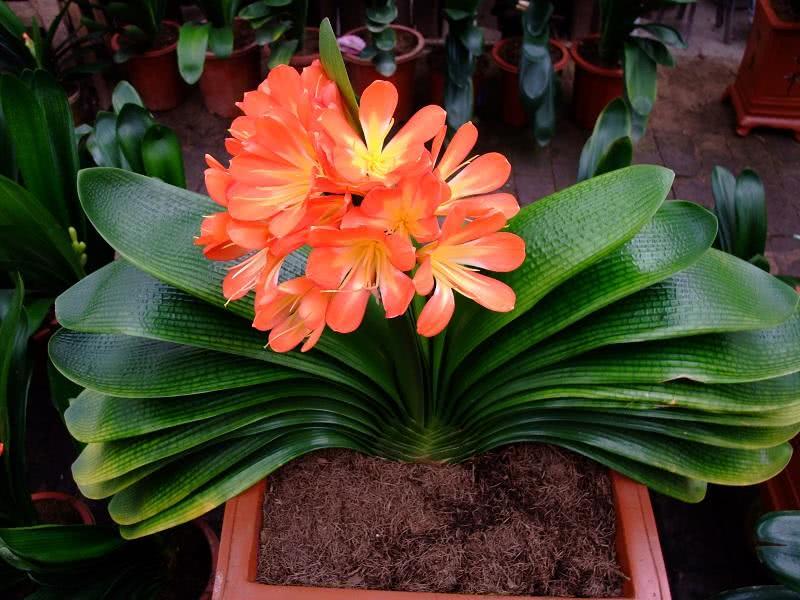
Growing flowers has become a fashion, a hobby. No matter who you are, as long as you love growing flowers, love plants, and love cultivating flowering plants, it is an activity that cultivates body and mind. It can relieve people's stress in daily life. So when growing them, flower lovers will encounter phenomena such as their flowers not blooming, leaves turning yellow, branches easily turning yellow and dying, and the whole plant having no vitality. In most cases, the cause of these consequences lies in not managing them well and not fertilizing them well. So as long as flower lovers handle the fertilization issue properly, they will definitely grow well. People who often grow flowers and those who do professional cultivation all know that natural organic fertilizer is good for plants, and this kind of fertilizer is exactly what plants need most. But organic fertilizer has one drawback, which is that it smells bad and has an odor. Today I will introduce to flower lovers a kind of "pure natural organic fertilizer." It is absolutely a natural, odorless, good fertilizer.
The plants we grow most at home are pothos and clivia. Both are the best and most durable ornamental plants for the home. Their leaves grow very lush and green, and their overall form is on the smaller side. Growing them on a balcony at home is most suitable. Below I will introduce to flower lovers some tips for growing pothos and clivia.
The methods for growing pothos and clivia are as follows: pothos and clivia are both foliage plants, and neither is afraid of shade. A little scattered light or some illumination from a lamp is enough for them to grow lush and green. When it comes to watering, pothos needs frequent watering. Pothos is a water-loving plant, usually watered once every two to three days. Clivia is different. Clivia has fleshy roots and is very averse to heavy water and heavy fertilizer. If watered too much, clivia will rot at the roots, turn yellow, and die. Flower lovers should water using the method of watering when dry and stopping when wet, and also pay attention that the amount of water cannot be too large.
Next, what we will introduce is the soil needed for clivia and pothos. For pothos soil, among potting soils, leaf mold and peat soil should be preferred. Bark, coal ash and the like can also be used for planting, and base fertilizer should be added to the growing medium. As for clivia soil, I suggest everyone understand the physiological characteristics of clivia. It requires loose, breathable soil with good water retention, good fertilizer retention, and it should be relatively fertile, so as to suit the root growth of clivia. Leaf mold has these characteristics. Therefore, leaf mold is best. Leaf mold includes oak leaf soil, oak leaf soil, hazel leaf soil, and larch needle soil, etc. Naturally decomposed leaf soil must be used, and it must not contain other impurities.
The raw materials used for the "pure natural organic fertilizer" we make are peanut shells, walnut shells, and eggshells, these 3 kinds. These are all things we often see in daily life. You can collect these shells and use the fruit shells to grow flowers, and they will absolutely make your flowers and plants shoot right up! Actually, these things may not look like much, but they contain many nutritional elements that plants need, such as phosphorus, calcium, iron, and potassium. They can promote plant growth and also strengthen plant roots and stems.
First we collect these things, crush all of these thoroughly, soak them in water, and place them in the sun to bake. After they are dried, all of them are materials for the drainage layer at the bottom of the flowerpot. Bury them at the bottom of the flowerpots for pothos and clivia. You can also scatter a bit on the top layer of the flowerpot to keep the potting soil moisture from evaporating too quickly. Both can play a very good role in promoting and protecting plants, and there is not the slightest smell.
Pothos and clivia turning yellow and their roots rotting? Add this "material," and they will sprout rapidly and bloom like crazy! That is all for this sharing. I hope it is helpful to friends who love growing flowers. If you have better suggestions, you are welcome to leave a comment below.