This plant blooms from summer to winter; keeping a pot at home warms the heart
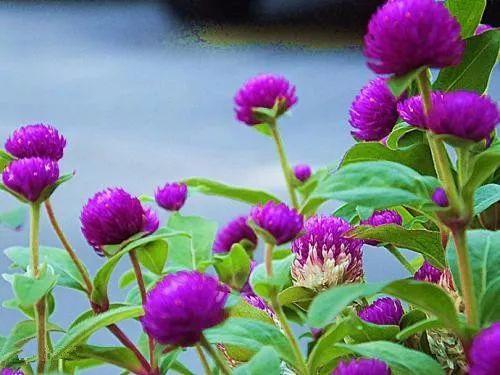
Globe amaranth is a very popular plant; its color runs from red to purple, and it also represents passionate summer. It is also called bachelor's button and fireball flower, because its flowering period is very long, and it can bloom from June all the way until before the frost of November, and it is also very well loved by the public.
1. Growing environment
Globe amaranth has no strict requirements for the environment. It likes sunlight, is strong by nature, matures early, tolerates dry heat and drought, is not cold-hardy, and fears waterlogging. It prefers loose, fertile soil. The optimum growing temperature is 20°C-40°C. When the winter temperature falls below 10°C, the plant grows poorly or suffers cold damage. It is robust and tolerant of pruning; after flowering, pruning can stimulate new shoots to sprout and continue blooming.
2. Soil
Globe amaranth is robust and easy to cultivate, with no strict requirements for soil, but it grows best when planted in deep, fertile sandy loam.
3. Fertilizing
In addition to using decomposed chicken manure as a base fertilizer at planting time, during the vigorous growth stage a dilute liquid fertilizer rich in phosphorus and potassium should also be applied once every half month.
4. Watering
Globe amaranth likes a slightly moist, on the dry side soil environment and is relatively drought-tolerant. Therefore, after the young seedlings grow new leaves again, watering should be properly controlled; after the plant's flower buds differentiate, watering should be appropriately increased to facilitate normal flower growth.
5. Light
Globe amaranth likes a sunny, well-lit environment. During cultivation, the plant should be guaranteed no less than 4 hours of direct sunlight every day. The cultivation site must not be too shady, otherwise the plant grows slowly and the flower color is dull.
6. Pests and diseases
Globe amaranth is prone to damping-off disease at the seedling stage. For control, 5-6 days before sowing, treat the seedbed with a 1500-fold dilution of Liluning; a 1000-fold dilution of Liluning can also be used to drench the roots of diseased plants.
7. Pruning
When the seedlings are 15cm tall, pinch out the growing tips once to encourage branching. After that, whether to carry out a second pinching can be decided according to the growth situation. When shaping and pruning, attention should be paid to rounding out the plant's shape, so that globe amaranth has higher ornamental value. After the plant takes shape, pinching the shoots can effectively control the flowering period.