Keep a potted plant indoors, it pleases the eye and its fragrance drifts to the neighbors' homes
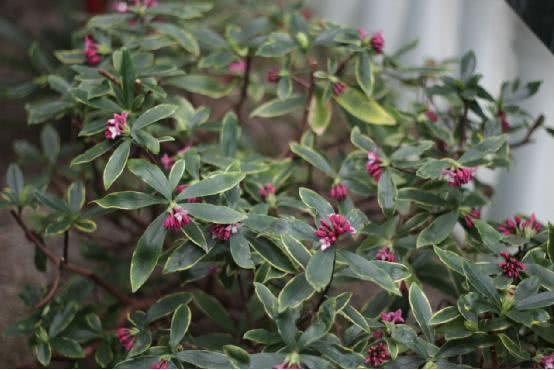
There are many reasons why people grow and love flowers. Besides the most common ornamental, edible and medicinal uses, some people are utterly captivated by scents, so in their eyes, floral fragrance is absolutely a plant's greatest charm. In previous articles, we have introduced you to quite a few plants that attract countless fans purely through their fragrance. Today we are going to talk about the most special one among this type of plant. What exactly is it? Let's read on.
What we are introducing today is Daphne odora 'Aureomarginata' (golden-edged winter daphne), which has gradually become a popular internet-famous plant in recent years. It not only has the finest fragrance and extremely high ornamental value, but in ancient Chinese texts it also carries the beautiful meaning of auspiciousness and blessing. So keep a few at home and savor its alluring fragrance, but be careful not to attract the "interrogation" of the neighbor next door because it is too fragrant!
Golden-edged winter daphne is relatively easy to grow. First, when choosing soil, considering that it is a variety of winter daphne, its soil requirements are the same as the latter's: basically a slightly acidic soil with excellent air permeability and water permeability will do. Here we recommend mixing garden soil, peat soil and leaf mold in a 1:1:1 ratio, and it is best to add a certain amount of coarse sand to it, or place two pieces of broken tile at the bottom of the flower pot.
The habits of golden-edged winter daphne determine that it is a plant that loves sunlight but avoids scorching exposure. On the one hand, its growth cannot do without sunlight, while on the other hand, continuous scorching exposure under the hot sun may easily cause damage to the plant, affecting its beauty and health. So if the sunlight in your area is currently quite strong, it is best to do some shading work, and placing it indoors with excellent lighting is a good choice. In the three seasons of spring, autumn and winter, the potted plant can be placed in a sunny spot.
Many people believe that golden-edged winter daphne should take in enough water in summer, and only in this way can its growth be guaranteed. In fact, this statement has no scientific basis. The key to growing golden-edged winter daphne in summer is not the amount of water but the control of the quantity used; too dry or too wet are both wrong. The former may cause the plant to wilt from lack of water, while the latter, especially after waterlogging occurs, is very prone to flooding damage, causing root hypoxia and necrosis. So often observe whether the soil is lacking water, and if it is, just water it thoroughly once.
Golden-edged winter daphne loves fertilizer, but this does not mean it needs a large supply of fertilizer at all times. Different growth stages and seasons are important bases for judging how much fertilizer to apply and what kind of fertilizer to apply. For example, in spring, since it is the golden period of growth for golden-edged winter daphne, besides the base fertilizer prepared at the bottom of the pot in advance, we should also add liquid fertilizer once every half month; and in autumn after the flower buds have formed, we can also apply leaf fertilizer once a week.