Are piranhas too ferocious to keep? Actually, deep down they are very gentle
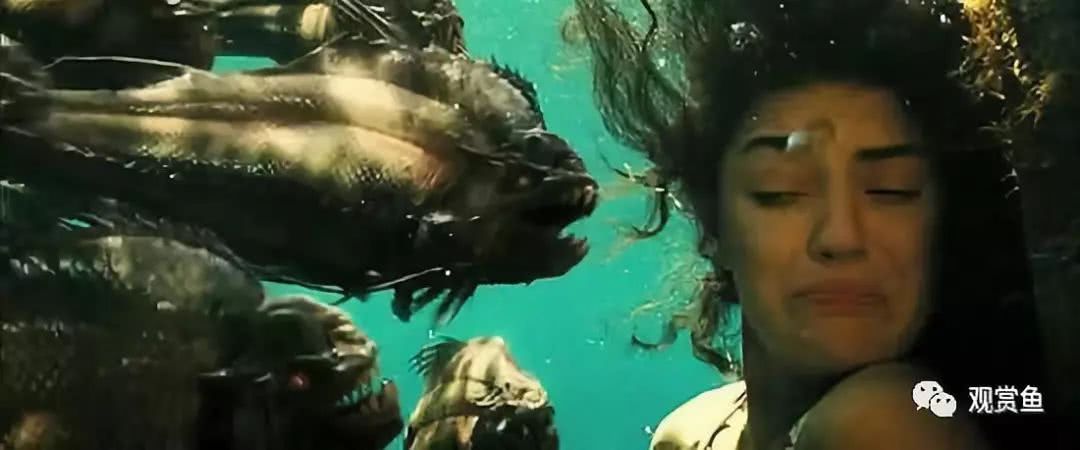
If someone thinks that keeping piranhas means keeping an extremely ferocious fish, I can only regrettably tell you that you are wrong! Most piranhas, in an artificial captive environment, are not as ferocious as we imagine. And they are usually very afraid of people, and this does not only refer to the Pygocentrus genus, but includes Serrasalmus as well. Only after we understand the fish's behavior and create a better environment for them will it help them achieve good condition.
Everyone knows that piranhas are an extremely easy fish to keep, and their recovery ability is surprisingly strong, but achieving good condition is quite difficult. Many fish keepers already know how to keep piranhas, but many others, just like me, are troubled by their fish's condition. For this reason, the editor has compiled some foreign material about piranhas, which includes information about piranha behavioral language, and hopes it will be helpful to everyone.
About feeding piranhas
Most fish keepers probably already know what should and should not be fed. But here I want to emphasize again that many fish keepers like to feed loaches and live fish, in short, anything alive. I want to tell fish keepers that actually feeding piranhas live food is not a very good choice. I used to be puzzled why Americans always want their fish to eat dead food and want to get rid of live food feeding as soon as possible. For newly introduced fish, live food makes it easier for piranhas to start eating, and they would ask in a mocking tone: "Isn't keeping piranhas for the sake of seeing their ferocious side? If you don't feed live food, why keep them at all?" Later, on a foreign website dedicated to piranhas, I learned that most parasites, infectious diseases and pathogenic bacteria on piranhas start with feeding live food (mice are an exception; so far there have been no cases of mice causing bacteria or similar issues when fed, but they must be hairless mice, such as young mice, because the hair on mice can easily harm the piranha's digestive tract. Also, never feed insects!). This is why piranhas are more prone to infection by pathogenic bacteria and parasites than other fish. Here I strongly recommend that fish keepers feed frozen food, such as shrimp, fish, meat, chicken breast and beef heart. These foods are also quite good for the piranha's nutritional intake, but it is best if they have been refrigerated, because frozen food will not have problems with pathogenic bacteria or parasites. If live food must be fed, it must be carefully selected, and as far as possible choose lively and robust small fish for feeding.
Do not feed piranhas until they are full or feed too much at one time. Fry are the exception; try to let the fry eat their fill. You should keep the fish feeling hungry at all times, because only hunger will make the fish more active, but it also must not be too little, so control the amount yourself. It is also best to keep feeding times fixed. My feeding time is usually one hour after the lights are turned on, because this not only makes the fish more active after the lights come on, but can also let the piranha's hunger replace the piranha's fear of the light.
Piranha behavioral language
I hope fish keepers understand piranha behavior, as this may help them better think about how to solve problems and give the fish better condition.
When a piranha has its head toward the bottom sand and its tail tilted upward, motionless, it is preventing intruders from entering its territory.
When a piranha's body color appears dull and its coloration is poor, it indicates that it is very nervous, and it is very likely a problem with the aquarium lighting.
When a piranha frequently rubs its body on one side against the bottom of the tank or driftwood, you must pay close attention, as this is how piranhas scratch an itch, which means the aquarium water quality may be poor. If the water quality is fine, then it is very likely itching caused by parasites or pathogenic bacteria.
When a piranha keeps opening and closing its mouth and grinding its teeth, this indicates the fish is probably hungry.
If a piranha keeps its mouth open and violently shakes its tail or head, it is entering a combat-ready state.
If it keeps swimming in circles up, down, left and right in one area without stopping, this indicates a warning that intruders are unwelcome.
If a piranha keeps swimming up and down and left and right against the aquarium wall, with a feeling of wanting to swim out of the tank, this indicates the fish is very nervous. This phenomenon generally appears in newly introduced fish. At this time, try not to disturb the fish and let it slowly adapt on its own.
When two fish line up side by side and violently shake their tails, it is a breeding behavior.
That is all for today's content. I hope this article can help everyone. If there are any shortcomings, I hope the seniors will offer guidance.