If you want your succulents to grow fast, feeding them well is key
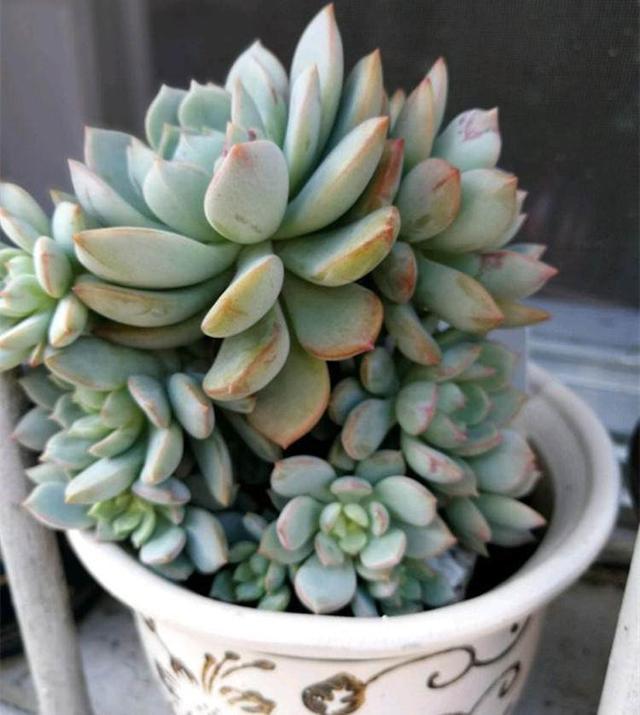
Some plant lovers who grow succulents always wish their succulents could grow faster and plumper. But they also think that the native habitats of succulents mostly have poor soil, and that succulents do not need many nutrients to grow, so they keep their succulents "starving." How could succulents grow plump that way? So, if you want your succulents to grow quickly, you need to let them "eat their fill."
To let succulents "eat their fill," the simple approach is to give them appropriate fertilizer to promote faster, plumper growth. So how can you let succulents "eat their fill"? Generally, when growing succulents, do not apply too much fertilizer at one time, or it will burn the roots. The best fertilizers for succulents are those with long-lasting fertility and slow release, which can be granular fertilizer or controlled-release fertilizer. You can also use organic fertilizers such as chicken manure, worm castings, and sheep manure, which work well too.
Generally, there are 2 ways to let succulents "eat their fill": one is controlled-release granular fertilizer, and the other is liquid fertilizer. These two types of fertilizer have long-lasting fertility, release slowly, and are convenient, clean, and odorless to apply. When applying them, plant lovers can follow these guidelines for the amount:
For the application method of liquid fertilizer: choose an organic liquid fertilizer specially made for succulents, with relatively balanced nitrogen, phosphorus, and potassium. Generally dilute it 500 times, then spray the soil surface of the succulent plants every 7 days. You can also use it to drench the roots or soak the pot as you would during normal watering.
For the application method of controlled-release granular fertilizer: for regular fertilizing, you can simply place the controlled-release granular fertilizer on the pot surface. For a flower pot with a 10 cm diameter, place about 8 granules, and the fertilizer effect can last half a year. You can also dig holes in the succulent potting soil and bury the controlled-release fertilizer in them. However, in summer, it is not recommended to use controlled-release fertilizer; liquid fertilizer is better.
In addition, fertilizer should be applied during the succulent's growing period, and must not be applied during the dormant period. Generally speaking, early spring is the transitional stage when succulent plants end dormancy and shift to rapid growth, and fertilizing at this time is beneficial for promoting the growth of succulent plants.
In June, you can still fertilize appropriately. July-August is the peak summer heat period, when some succulent plants are in a semi-dormant state, so fertilization should be paused. Just after early autumn begins, when the temperature drops slightly and the plants begin to regain vitality, you can continue fertilizing until late autumn, when fertilization stops to prevent the succulent plants from growing too vigorously. Generally, no fertilizer is applied in winter.
Of course, there are some exceptions. Varieties that grow vigorously in summer, such as Huoji, Zichi Lianhua, and Xiaomi Xing, can be fertilized in summer; winter-growing species such as Snow Lotus grow vigorously in winter and can also be fertilized in winter.