Detailed Explanation of Key Points for High-Yield Organic Oat Cultivation Techniques
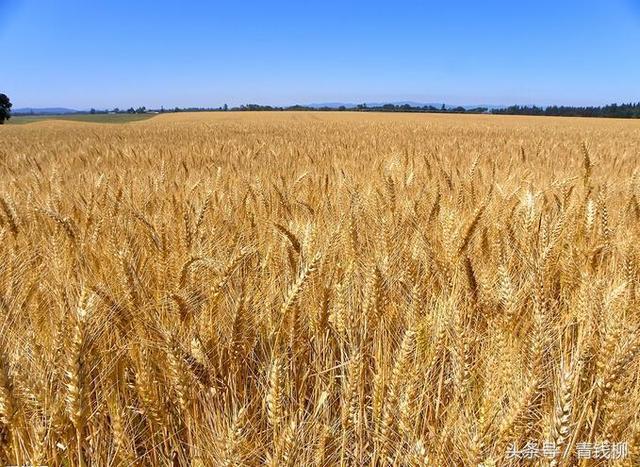
High-Yield Organic Oat Cultivation Techniques
1 Intensive land preparation
The organic oat production site is selected in villages with good ecological conditions, far from pollution sources, and cool and humid. The land should be loam or sandy loam with deep plough layer, flat terrain, loose soil, and fertility. In land cultivation, deep ploughing, fine harrowing, and compaction should be carried out, thereby forming soil conditions that are soft and fine, loose on top and firm below.
2 Carefully selected varieties
According to the ecological conditions and growth requirements of Yezu, our township introduced excellent varieties such as Baiyan No. 2, Baiyan No. 11, Chuanyan No. 1, and Ningyou No. 1 for propagation at the base, and then promoted them to other villages. In variety selection, the main focus is on high-quality oat seeds with strong adaptability, officially approved and promoted at the national level, high yield, strong stress resistance, and strong disease and pest resistance.
3 Seed treatment
Before sowing, clean the seeds. First, fully sun-dry them to kill pathogens on the seed surface, so as to improve seed viability and germination rate. Then use 100-150 g of undiluted phorate stock solution mixed with 3-4 kg of water to dress 50 kg of oat seeds to control oat yellow dwarf disease; or use 0.2% seed-dressing fungicide or 0.15% seed-dressing agent for seed dressing to control oat smut.
4 Timely sowing
The suitable sowing period for oats in this region is from late March to early April, with the best sowing period around Qingming Festival, and no later than Guyu. According to rainfall conditions, sowing to capture soil moisture is especially critical, and securing seedlings is one of the main measures for dryland oats to achieve high yield. The sowing rate is 12-15 kg/667 sq m, using mechanical sowing or manual furrow drilling, and broadcasting is not suitable. The row spacing for drilling is 15-20 cm, and the depth should preferably be 5-6 cm. Prevent repeated sowing and missed sowing, keep sowing depth consistent, sow evenly, and after sowing harrow the land so that soil and seeds are tightly combined, preventing air leakage and seed sprouting loss.
5 Field management
After emergence, weeding should be done early and shallowly. Spring drought causes organic oats to grow slowly, and weeds are very likely to mix in. The first intertillage is not only for loosening soil and removing weeds, raising ground temperature, cutting off surface soil capillaries, and reducing water evaporation to achieve drought prevention and moisture conservation, but it can also regulate the contradiction among water, temperature, and air in the soil, promote root development, encourage early rooting and rapid formation of secondary roots, build a well-developed root system, and enhance the root system's water absorption and metabolic capacity. Traditional cultivation applies only a small amount of farmyard manure, resulting in low yield. With the expansion of cultivation area and the promotion of new varieties, the application rate of farmyard manure has decreased, while the application rate of chemical fertilizers has gradually increased. Fertilization should be formulated according to the degree of soil fertility. In production, the overall approach is to fertilize according to local conditions, and avoid one-sided or heavy application of nitrogen fertilizer to prevent oat lodging. A 25% nitrogen-phosphorus-potassium compound fertilizer can be applied at 20-40 kg/667 sq m, with fertilization in the mid-term based on seedling condition.
Weed 2-3 times throughout the entire growth period. At the 3-leaf stage, carry out the first intertillage, loosening soil, and weeding. Weeding should be done early and shallowly, with the purpose of raising ground temperature and reducing water evaporation, thereby promoting early rooting, rapid rooting, and preserving full stands. Before jointing, carry out the second weeding, and in the mid-to-late period, pull weeds in time. If the planting area is small, manual weeding can be used; when the planting area is large, chemical weeding should be used. At the 3-leaf 1-heart stage, use 72% 2,4-D butyl ester emulsifiable concentrate at 900 mL/667 sq m, or use 75% Juxing dry suspension at 13.3-26.6 g/667 sq m mixed with 30 kg of water, and spray evenly on a sunny, windless day with no dew. In order to increase grain weight and improve quality, spray potassium dihydrogen phosphate at 2.5 kg/667 sq m plus 50% Duofu mixture at 2 kg mixed with 30 kg of water at the heading stage and flowering stage respectively, and spray once more after an interval of 5-7 d.
6 Disease and pest control
Through 3 years of practice and observation, the main organic oat diseases are smut, rust, and powdery mildew, and the main pests are armyworm and aphids. Traditional scattered planting and crop rotation, with small areas, result in fewer diseases and pests. Disease and pest control mainly follows the plant protection policy of giving priority to prevention and integrated control. Starting from the entire ecosystem, biological control is used first, and chemical control last, with comprehensive application of various control measures to create environmental conditions unfavorable for the breeding of diseases and pests and favorable for the reproduction of various natural enemies, maintain ecosystem balance and biodiversity, and keep various diseases and pests within the allowable economic threshold. If concentrated contiguous planting is carried out in demonstration plots and diseases and pests occur severely, according to the occurrence and damage characteristics of oat diseases and pests, use 20% triadimefon powder at 100 g to dress 50 kg of oat seeds, dry dressing, sow immediately after dressing, or after dressing seal the seeds for 3-4 h before sowing, which can control smut and reduce and delay the damage of rust and powdery mildew. In mid-to-late July, use 25% triadimefon emulsifiable concentrate at 80 mL + 25% Laifuling at 100 mL mixed with 30 kg of water for integrated control of oat smut, rust, aphids, etc., with an interval of 5-7 d between applications, for two consecutive controls.
7 Harvest and storage
Organic oat harvest is a highly time-sensitive task. Once mature, it should be harvested in time, otherwise the oats will shatter by themselves, resulting in high yield but no good harvest. Our township generally harvests from late September to early October. The grains at the upper part and lower part of the organic oat panicle do not mature uniformly. When the grains in the middle and upper part of the panicle enter the late dough stage, it should be harvested in time. The performance at the late dough stage: the oat stems are tough and not easy to break, and when pinched with a fingernail, the grains should be tough and not easy to crush; this is the timely harvest period. Harvesting can be done manually or mechanically. For manual harvesting, the aboveground part of the oats should be completely cut with a sickle for whole-plant harvest; for mechanical harvesting, note that the driving speed should be maintained at 6-8 km per hour. Otherwise, it will cause damage to the harvester and also cause problems such as missed harvesting and lodging of oats, seriously affecting yield. The seed storage warehouse requires waterproofing, rat prevention, insect prevention, fire prevention, dryness, and ventilation, with relative humidity not exceeding 60%, managed by dedicated personnel, and inspected regularly.