A wild vegetable that clears heat and brightens the eyes, and can also treat night blindness and amenorrhea in women - does your hometown have it?
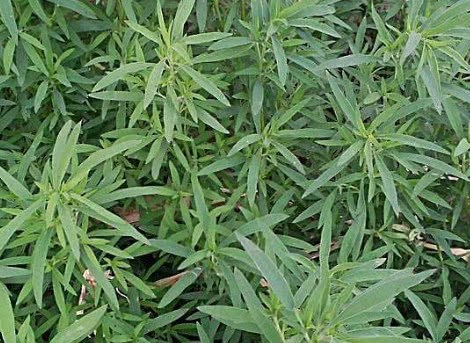
The tender stems and leaves of summer cypress (Kochia scoparia) are edible; the tender stems and leaves, fruits and seeds can all be used as medicine. Once the stems mature they can be made into brooms. The tender stems and leaves can be steamed, stir-fried, served cold dressed, or made into soup. The fruit is sweet in taste and cold in nature, promotes urination and clears damp-heat. It strengthens the body, promotes urination and brightens the eyes, and helps dissolve uric acid, making it suitable for diseases involving excess uric acid, such as urinary tract stones, skin itching after jaundice, and uric acid gout; it can also be used for night blindness. Its tender shoots also promote urination and reduce inflammation, and clear heat and brighten the eyes. The tender shoots and leaves are used as a vegetable; the seeds are used as medicine, known as "Difuling" (Kochiae Fructus), and can promote water metabolism and relieve strangury, and remove damp-heat; for external use they treat ringworm and scrotal eczema.
In traditional Chinese medicine, the tender buds and leaves of the willow (Salix, family Salicaceae) are used. This medicinal material is cold in nature, slightly bitter in taste and non-toxic. The salicin in willow buds, once it enters the circulatory system, can act on the body's temperature regulation center in the hypothalamus, triggering reactions that generate or dissipate body heat. Therefore willow buds have a fever-reducing effect, and they can also cause sweating, piloerection (hair standing on end) and vasoconstriction or vasodilation. Willow flowers can dispel wind, remove dampness, stop bleeding and dissipate blood stasis. They treat wind-edema, jaundice, coughing blood, vomiting blood, blood in the stool, bloody strangury, amenorrhea in women and toothache. Willow catkins (the hairy seeds) can stop wind, remove dampness, drain abscesses, and treat vomiting blood, damp arthralgia with cramping of the limbs, knee pain, painful swollen abscesses with formed pus that will not rupture, and traumatic bleeding.
It can be used as a vegetable and is rich in iron, calcium, vitamin A and various B vitamins; the stem is fleshy and semi-trailing. Its tender stem tips and tender leaves are harvested as a specialty vegetable and can be stir-fried, served cold dressed or made into soup; they can also be cooked with japonica rice into New Zealand spinach porridge. It has effects such as clearing heat and detoxifying, dispelling wind and reducing swelling, and cooling the blood and promoting urination, and is an upscale dish on the tables of hotels, restaurants and upper-middle-class households.