Roses are most prone to this tiny pest, and the harm it causes should not be ignored
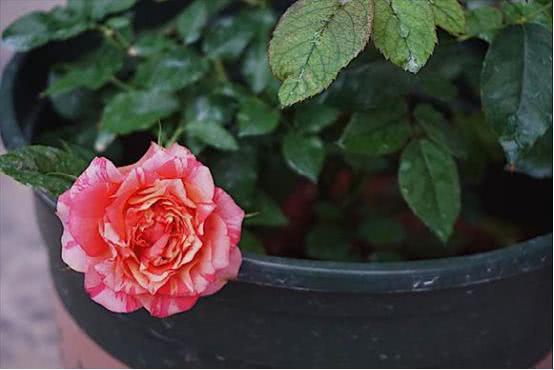
Spider mites, this pest, heh, all I can say is that its spread is so fierce it is as unstoppable as a surging river. A flower grower once complained like this: not long after buying a pot of roses, the money spent on pesticides to deal with spider mites was several times the money originally spent on the roses. This is not an exaggeration at all, because spider mites, this disease, are also jokingly called "the cockroach that cannot be killed."
Spider mites generally begin activity in spring and then reproduce in large numbers in summer and autumn. In regions where temperatures are relatively mild throughout the year, spider mites can be active all year round. Spider mites are actually a kind of insect, and their color is red. But when you discover that the leaves are covered with these small red insects, it is already too late.
So prevention is the first step. Spider mites like a hot and dry environment. Summer is hot, and autumn is dry, so these two seasons are the seasons when spider mites are most active. It is understood that roses grown on enclosed balconies, indoors, or in greenhouses have a higher chance of contracting this disease. Obviously, poor ventilation is a major factor inducing the disease.
What are the initial symptoms of this disease? At the beginning, some small white spots appear on the leaves, then the leaves turn yellow, next the leaves look as if they have been dried by the sun, and finally they fall off. This is the early latent stage of its eggs. Some people will say, I did not know it was spider mite disease. Do not worry about what it is. If you find anything abnormal on the leaves, you should cut them off immediately.
Cutting off diseased leaves first eliminates the source of the pest and reduces the harm of reproduction and infection to other branches and leaves, and second increases the ventilation and air permeability of the branches and leaves, effectively reducing the speed of pathogen reproduction. After cutting off the diseased leaves, promptly spray with 20% dicofol emulsifiable concentrate at 1000-1500 times, 100 ml of mitecide at 4000-6000 times solution, and 73% propargite emulsifiable concentrate at 1500-3000 times solution.
The frequency of application can be once every 5-7 days, used continuously at least 3 times. Alternating multiple drugs is better, to prevent the therapeutic effect of a certain drug from being limited. If there are temporarily no drugs on hand, there is a rather forceful method, which is to wash with water. Place the plant upside down, then use a shower head or hose to rinse the leaves, which can also wash off some of the insects.