How to care for roses in June? Only with careful attention can you avoid regretting it in autumn
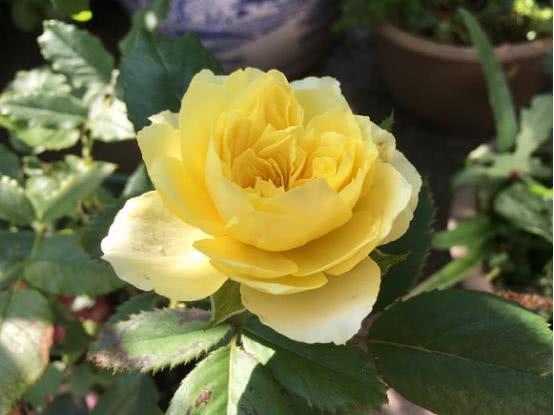
Although our country has a vast land area, by summer the temperature differences are actually not that big, with generally high temperatures everywhere, especially in southern regions, where May is already quite hot, and only turning on the air conditioner makes it bearable. Now here comes the problem: people are starting to turn on fans and air conditioners to get through the summer, so what about all those flowers and plants?
The blooming season of roses is generally spring, summer and autumn, though some also bloom in winter; as long as they are cared for properly, and combined with the relatively warm and pleasant winter climate of southern regions, certain varieties in certain areas can bloom all year round. In summer, some roses may have already finished blooming, while others may just be starting to bloom, but either way, summer is a season that requires careful care for roses.
Summer sunlight is intense, and roses simply cannot withstand sunlight of this degree. At this time, potted roses should not be left in the blazing sun; they can be put outside in the morning and toward evening, and the total sunlight during these two periods is already fully sufficient for their needs. In the afternoon the ultraviolet rays are too strong, and exposing them again at this time will cause sunburn; especially for roses that are blooming, the flowers will fade faster, so they should be moved back indoors to avoid direct sunlight.
If the roses are planted in the ground or are in relatively large, heavy pots, then they cannot be moved in and out so flexibly and freely. At this point you have to make a shade net for them yourself: just stick a few branches, wooden sticks or the like into the soil around the roses, inserting a ring of them, then go to a flower shop and buy a special shade net, or you can find several more branches and thatch and the like to build a roof-like thatched cover on top, which should let light through but not be too sparse.
Watering plus high temperatures make the surface layer of the soil easily become hard. Soft soil has many gaps, and ventilation and air permeability allow the roots to breathe smoothly, making them less prone to rot. But a hard soil layer greatly reduces air permeability, water easily accumulates inside, and the roots are very likely to be suffocated. At this point you need to be diligent and loosen the soil around the roses more often, being careful not to damage the roots and stems.
In summer the leaves of roses also easily become wilted. At this time, besides watering the soil normally (do not overdo it, and do not water desperately just because you think the leaves are wrinkled), you can spray water on the leaves to supplement moisture. If the leaves have already become wilted and the situation still has not improved after a few days, consider pruning the remaining leaves to reduce the burden on the plant. Especially for roses that have already bloomed, the flower stalks should be pruned promptly.