How to Reuse Old Pots and Old Soil After Repotting Plants
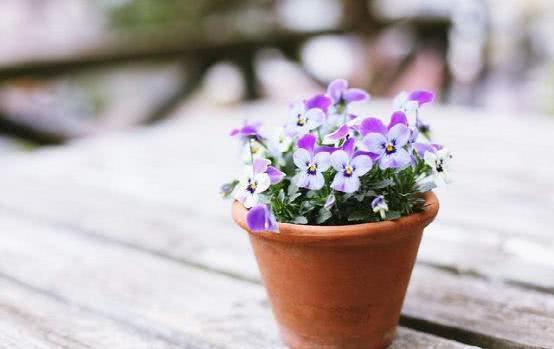
Many people encounter the situation of changing soil and pots for their potted plants when cultivating them, and there has never been a systematic tutorial on how to deal with these old pots and soil. In the past, we often reused them directly in other potted plants or simply threw them away, but it must be said that both of these methods are highly inadvisable. The former carries certain risks and may lead to diseases in new plants, while the latter is a display of wastefulness. So how exactly should old pots and old soil be handled and used? Don't worry, today we'll teach you!
Before learning, we need to understand one question: "Can old soil really be reused?" Actually, it can, but compared to fresh new soil, it needs to go through a few small steps to be revitalized. First, when facing old soil, we need to harness the power of the sun. Completely crush the compacted soil and spread it out, placing it under the sun to bake. The reason for doing this is that the old potting soil may contain a large amount of bacteria or insect eggs, and we must use the sterilizing power of sunlight to completely eliminate them.
The process of sun-drying the soil should last about 3 full days, during which we need to turn the soil once every half day, allowing it to receive as much sunlight as possible and thoroughly dealing with the debris inside. Considering the hassle of constantly turning the soil, we can adopt the method of laying down an old newspaper. After drying, the old soil will appear smaller in quantity and will become very infertile. At this point, it's best not to use it directly as flower soil. Instead, prepare an equal amount of garden soil, add some bone meal, animal manure, leaf mold, etc., stir thoroughly, put it in a plastic bag, and place it in a cool place to ferment.
After about one month of fermentation, when the various nutrients in the soil have been fully absorbed, the soil can be reused for growing flowers. Of course, if you have plants you plan to grow, you can add some trace elements needed for the growth of your target plants to the soil during the fermentation process, transforming the old soil as much as possible into something suitable for new plant growth.
Having covered the old soil, let's now talk about the replaced old flower pots. What's slightly different from renovating old soil is that our old flower pots should ideally be washed with water first to clean off the fine soil particles on them. Then they can be placed under the sun to bake until the water stains are dried up. Overall, their reusability is higher than that of flower soil, so if you're worried about bacteria or insect eggs remaining in the pots, then besides washing and sun-drying, appropriately using some insecticide for disinfection is also necessary. In short, everything is for the health of the plants, and this bit of effort is still worth spending.