Hydrangeas: water them like this in summer and every pot thrives, with blooms covering the balcony
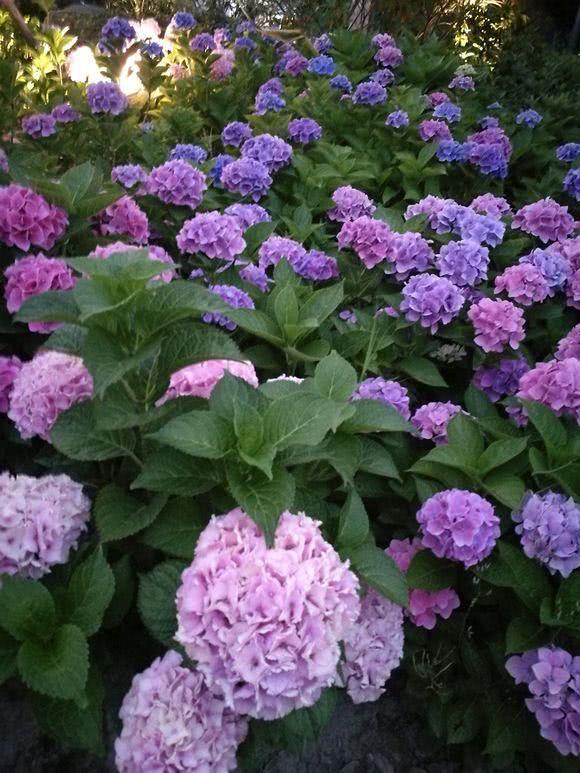
The hydrangea, as an ornamental plant we are all very familiar with, enjoys huge popularity among gardening enthusiasts, especially now in summer, when its ball-shaped blooms and adorable appearance make it a common sight in many people's homes. So when it comes to the hydrangea itself, what watering issues really need attention in summer? Today, let us introduce you to a few little tips. If you master them all, your hydrangeas will absolutely burst out of their pots - if they don't turn into a sea of flowers, I'll eat my hat!
The hydrangea's own habits
How exactly to water a potted flowering plant, and what to watch out for in terms of frequency and amount, ultimately comes down to a clever analysis based on the weather and the plant's own specific habits. Take the hydrangea itself: a warm, humid, semi-shaded environment is most favorable for its growth, so watering also requires some care.
Watering hydrangeas can actually be divided into two parts: "whole plant" and "leaf surface". For the whole plant, given that hydrangeas need more water in summer, the frequency of watering should also increase. Basically, watering once a day is enough to keep the soil moist. Of course, you can also sprinkle some water on the open ground around the hydrangea, which helps create a relatively humid growing environment. When watering, be careful about the amount too - just enough to soak through, and never let a moment of carelessness cause waterlogging.
As for the leaf surface, the frequency should be much lower. Generally, use a spray bottle to evenly spray water on the hydrangea's branches and leaves once a week, just enough to keep the surface moist. After watering the leaf surface, it is best to move the plant to a cool, ventilated spot and provide shade. The reason for this is that water droplets left on the leaves can very likely scorch the leaf surface under sunlight, affecting the plant's health and appearance.
The watering methods we mentioned above mainly apply to potted hydrangeas grown on balconies. If your flowers are planted in the ground and shaded by other tall plants, then you don't need to water every day either. You can observe the hydrangea's condition - if there are no signs of water shortage such as soft leaves, there is no need to water every day.
In addition, there is another situation we often confuse: wilting leaves are not necessarily a sign of water shortage. It is very likely a phenomenon that appears after sunlight exposure or a rise in temperature. We need to judge based on the specific situation rather than just watering directly, which can very easily cause root rot. I hope everyone will pay extra attention to this!