Detailed Explanation of the Key Cultivation Techniques and Methods for Lespedeza
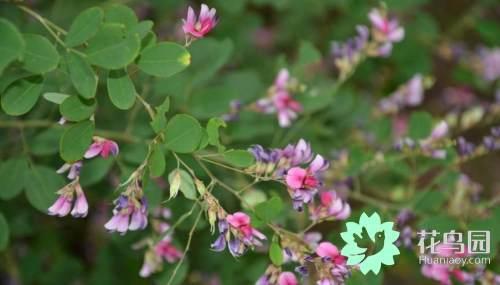
Lespedeza is cultivated in most parts of China. Its root is a heat-clearing and detoxifying medicine, used to treat sores and snake bites, and has high medicinal value. Today let us learn about the cultivation techniques for lespedeza.
Growth Habits
Lespedeza is drought-tolerant, barren-tolerant, acid-tolerant, saline-alkali-tolerant and tolerant of cutting. It has strong adaptability to soil and can grow on barren newly reclaimed land, but it is best suited to loam and humus soil. It is very cold-hardy. In the high-cold area of Bashang, it overwinters by means of the axillary buds of the main root and stem, sprouts new branches in late April of the following year, flowers from July to August, and its seeds mature from September to October. The cutting period is from June to September, and its regrowth ability is very strong, allowing 3 to 4 cuts per year.
Propagation Methods
Seeds
Seed treatment should be carried out before sowing. Three days before sowing, soak the seeds in hot water mixed "two parts boiling to one part cold" (that is, use 2 parts boiling water to 1 part cold water; when the water temperature drops to 50°C, pour in the water while stirring the seeds). After soaking for 24 hours, remove them and place them in a woven basket to germinate under conditions of maintained temperature and humidity. When 1/3 of the seeds have split open, they can be sown. Generally, drilling in furrows is used, with rows opened at 20-30 cm, covering with 0.5-1 cm of soil, and a sowing rate of 2 kg per mu.
Cuttings
Select shoots 0.5-1 cm thick and cut them into cuttings of about 20 cm. Cuttings can be taken in autumn or early spring.
Cultivation Techniques
Seed Collection
From September to October, when the pods turn yellowish-brown, they can be collected. The usual collection method is to strip them off by hand. After the collected pods are dried in the air, rub off the pod stalks, remove impurities, then bag them and store them in a dry, ventilated place.
Site Selection and Land Preparation
For the seedling site, neutral sandy loam is best. Deep plowing is required, generally no less than 30 cm deep. After plowing, make beds or raised beds and wait for sowing.
Transplanting
On sloping land with soil erosion, use horizontal ditches and horizontal terraces for land preparation before planting. Select strong seedlings with a good root system. The seedlings should preferably be planted with the stems cut back, in holes. Hole diameter 30 cm, depth 30-50 cm, plant 1-2 seedlings per hole, water after planting and cover with soil to preserve moisture.
Thinning
Thin the seedlings when they are 6-10 cm tall; for drilling, the plant spacing is about 20 cm. For hole sowing, 1-2 plants per hole.
Topdressing
After thinning, apply nitrogen fertilizer and phosphorus fertilizer: ammonium sulfate 5-10 kg per mu, superphosphate 5 kg per mu, which can accelerate the growth of the seedlings.
Weeding and Loosening the Soil
The first weeding can be carried out once the seedlings have emerged evenly; shallow weeding is best, and it must not be too deep. After that, weed another 1-2 times depending on the weed situation.
Drainage and Irrigation
Keep the soil moist during the seedling stage; seedlings are not tolerant of waterlogging. Pay attention to drainage.
Stumping
At 2-3 years, stumping is needed to promote their growth and development.