What to do when rubber plant leaves turn yellow? Pay attention to these points for thick branches, thick leaves and lush green foliage
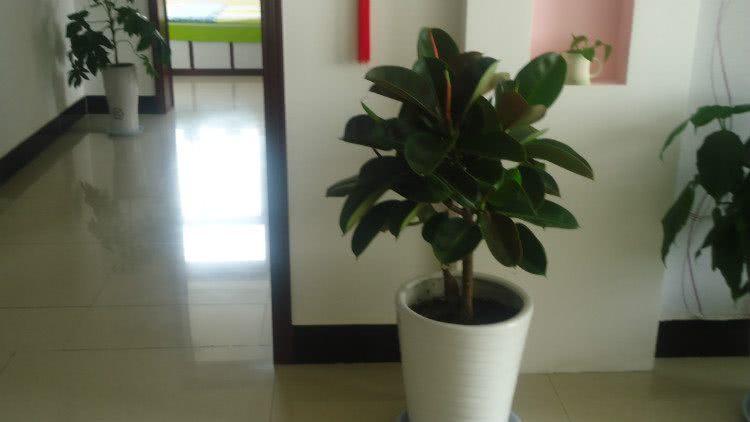
The rubber plant is an evergreen woody foliage plant, with relatively large leaves, thick leathery, glossy, round to oblong, dark green on the upper surface and light green on the underside. Placed in the home, it is a beautiful and vibrant plant, but sometimes it also develops some diseases, such as rubber plant leaves turning yellow or even dropping. Next, I will tell flower lovers: What to do when rubber plant leaves turn yellow? Solutions, pay attention to these points for thick branches, thick leaves and lush green foliage!
1. Soil
In the early growth stage, the rubber plant needs repotting once a year, and the pot diameter should be larger each year. After 6 to 8 years of growth, it can be repotted once every three years. If it is not repotted for a long time, the potting soil will become severely compacted and the soil aeration will be poor, causing the fibrous roots of the rubber plant to suffocate and die, unable to absorb water and nutrients, which causes the plant's leaves to wither, yellow and drop. When choosing potting soil, be sure to use loose, well-drained, fertile humus soil. The container for planting the rubber plant should also have good drainage holes. It is very important to avoid waterlogging in the potting soil.
Solution: When the temperature reaches above 15°C, repot it, cut off the dead root system, and shake off most of the old soil. Remove the yellowed leaves, properly shorten the stems, and replace the original compacted potting soil with fresh fertile culture soil. Keep the soil moist regularly, which can promote it to grow new roots again, restore a healthy state, and grow into a plant with many branches. In future care, keep the potting soil well aerated. While keeping the potting soil moderately moist, loosen the potting soil once every 15 to 20 days to avoid compaction caused by repeated watering, which can lead to root rot or root shrinkage.
2. Fertilizing
The rubber plant likes heavy fertilizing and heavy watering. Not fertilizing for a long time will cause malnutrition and lead to yellowing leaves.
Solution: Add an appropriate amount of base fertilizer when repotting, remove the yellow leaves, and afterward apply liquid fertilizer once every half month, mainly phosphorus and potassium fertilizer. Generally, fertilizing is done in the spring and summer growing seasons, and ordinary all-purpose fertilizer is very suitable.
3. Temperature
The minimum suitable temperature for the rubber plant is above 6 to 8°C. If the indoor temperature in winter is below 5°C, leaves will wither, yellow and drop.
Solution: Increase the indoor temperature for overwintering, and be sure to keep it above 6 to 8°C. Under ideal growing conditions for the rubber plant, its optimal growth temperature is between 15 and 25°C, and the lowest temperature it can withstand in winter is 4°C. If the temperature is any lower, it is prone to frost damage.
4. Watering
Although the rubber plant is a plant that likes water and fertilizer, if it is watered and fertilized too much, especially from August to September when the weather is still rather hot and humid, excessive watering will cause water to accumulate in the pot; or if it is watered too much during overwintering, when the plant is in a dormant period and transpiration is reduced, the water in the pot cannot be discharged in time; or if raw fertilizer, heavy fertilizer or concentrated fertilizer is applied by mistake, root rot will occur due to water damage or fertilizer damage, causing leaves to wither and yellow.
Solution: In winter, keep the potting soil slightly dry, ensure the potting soil has good drainage, and avoid overwatering, which can easily cause root rot. In other seasons, keep the potting soil appropriately slightly moist; watering thoroughly after the soil dries out is most suitable.
Alright, this is the summary of the reasons for rubber plant leaf drop that I have put together this time. I hope it is helpful to friends who care for rubber plants and care for plants.