What to do when a rubber plant drops its leaves and they turn yellow? Pay attention to these points for thick roots and glossy green leaves
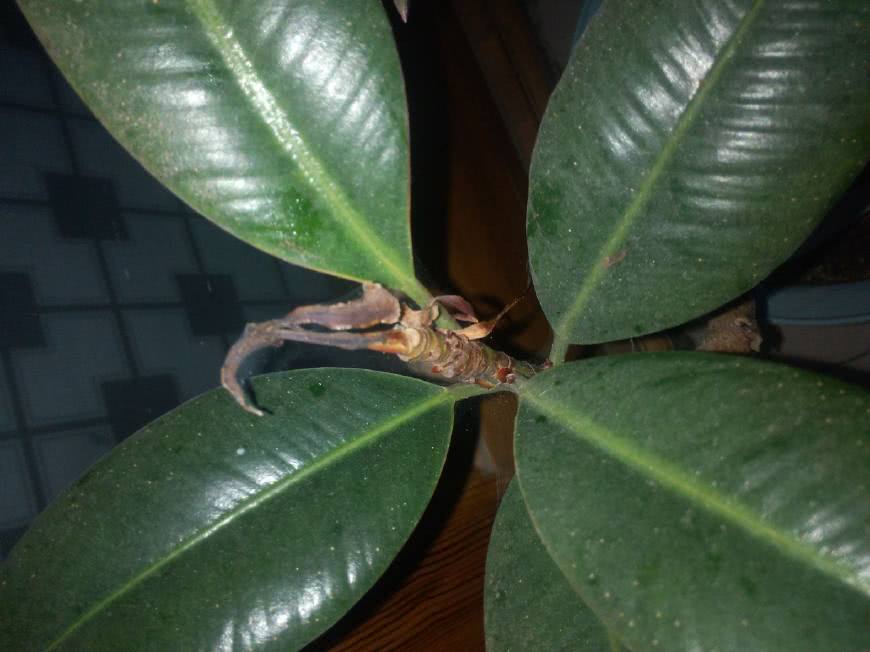
The rubber plant (Ficus elastica) is a very easy-to-care-for indoor potted plant. It can be kept year-round in a warm, well-ventilated spot with plenty of sunlight. It has good ornamental value, a good purifying effect and high decorative appeal, making it extremely suitable for indoor beautification. Small and medium-sized plants are often used to beautify living rooms and studies, and they look especially good as home decor. Some gardening friends say their rubber plant's leaves are turning yellow and dropping. How do you solve this, and what points should you pay attention to? Next I will tell gardening friends: several causes of yellowing and dropping leaves in rubber plants and how to solve them.
First: fertilizer conditions
Applying raw fertilizer, heavy fertilizer or concentrated fertilizer by mistake will all cause root rot due to water damage or fertilizer burn, leading to yellowed leaves. If the root rot is caused by fertilizer burn, the roots will be accompanied by an unpleasant smell.
Solution: First cut off the rotted root system until white liquid seeps from the cut surface. Strengthen shading and misting management, and do not water again until the potting soil is dry; as long as the plant's root system is not too severely damaged, new fine fibrous roots will grow from the wound site after a month. Apply a nitrogen-based fertilizer 2~3 times a month. Varieties with colored markings grow relatively slowly, so the number of fertilizer applications can be reduced, while increasing the application of potash fertilizer to make the markings on the leaves bright and colorful. In August, stop applying nitrogen fertilizer and only apply phosphorus and potassium fertilizer to improve the plant's cold resistance. In winter, when the plant is dormant, fertilization should be stopped.
Second: watering conditions
If the indoor air is too dry, the water in the potting soil is not enough to supply the transpiration of all the leaves, causing some leaves, especially the lower old leaves, to turn yellow and even fall off.
Solution: Check the condition of the potting soil, add water if there is none, and spray water on the leaves from top to bottom every day. If it is still not enough, spray water on the leaves again around noon. Gardening friends should note: the water temperature for watering and spraying must be similar to the outside temperature, otherwise it will be harmful to the rubber plant.
Third: ventilation conditions
If the room is not ventilated with fresh air for a long time, the sealed indoor space will produce some harmful gases, such as excessively high carbon dioxide concentration. If the plant cannot get fresh air, yellow leaves will also occur.
Solution: Open the windows promptly for ventilation and maintain good ventilation conditions indoors. Getting more fresh air will improve things. In winter, on warm midday days, open the windows for ventilation to bring in fresh outside air so the rubber plant can breathe fully.
Fourth: lighting conditions
The rubber plant is a tropical tree species. It likes plenty of sunlight, cannot tolerate shade, and is not afraid of high temperatures. If it is placed in a dark indoor spot and cannot see warm sunlight for a long time, yellow leaves will also occur. Because the rubber plant cannot tolerate cold, in winter it must be moved indoors to a sunny spot for care, keeping the room temperature above 12 degrees, and the lowest temperature should not be lower than 9 degrees; if the temperature is too low and the potting soil is too moist, it will cause the leaves to turn black and fall off and the roots to rot, and in severe cases the whole plant will die.
Solution: Move the rubber plant to a spot in the yard or on the balcony with direct sunlight.
Fifth: air humidity conditions
The rubber plant likes a moderately cool and slightly moist environment. Air humidity is best kept at a relatively high level. When the air is too dry, you can spray water appropriately on the leaves. On low-temperature nights, do not leave residual moisture on the leaves.
If yellow leaves are found, remove them promptly, provide humidity and light, and do not water too much; if root rot is found, cut off that section promptly, remove the lower leaves, and re-cuttage in nutrient soil to cultivate roots, then repot.
Alright, what should you do when the rubber plant's leaves turn yellow? Pay attention to these points for thick roots and glossy green leaves! That is the summary. I hope it is helpful to friends who love rubber plants and love plants.