A single leaf can cover a wall in 1 month; its growth explosive power is simply astonishing
Early-flowering large-flowered type
Early-flowering large-flowered types mostly bloom on old branches in spring and summer.
Common varieties
Common varieties include Bee's Jubilee, Elsa, The President, Blue Light, and others.
Care tips
1. Soil
It prefers fertile, loose, slightly alkaline soil and must be kept ventilated and airy, otherwise it easily wilts.
2. Water and fertilizer
Water by the principle of dry-then-wet; in summer it is best not to water at noon, as root rot easily occurs, and after rain, promptly pour out any standing water in the pot.
Apply a nitrogen fertilizer once during the spring bud-breaking period, and apply a dilute compound fertilizer once before flowering.
3. Pruning
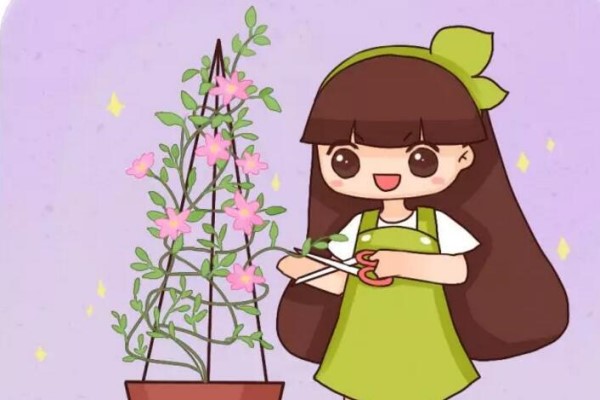
Early-flowering large-flowered clematis generally produces a large number of flowers in early spring; after the flowers fade, promptly prune the spent, withered branches, and it may bloom a second time.
Late-flowering large-flowered type
Late-flowering large-flowered types mostly bloom on new branches in summer and autumn, are generally single-petaled varieties, and bloom twice a year.
Common varieties
Common late-flowering large-flowered varieties include Barbara, Utopia, Blue Angel, Morning Sky, Cardinal, and others.
Care tips
Take Utopia as an example; Utopia is a relatively classic variety among late-flowering large-flowered types, with a long flowering period, blooming twice a year, and having very strong explosive power, making it very suitable for training up a wall.
1. Cutting propagation
1. Select a semi-lignified clematis branch between two nodes, keeping 2 buds on the node.
2. For the soil, you can choose a mixed medium of peat soil, vermiculite, and perlite; the cutting depth is such that the buds on the node just emerge above the soil surface. After inserting, press the surrounding soil firm and water thoroughly.
3. Place it in a ventilated spot with diffused light for care, keep the leaf surface moist, and watch for whether new bud points emerge; it can take root in about 1 month.
4. After rooting, it must be potted up; first place it in a spot with diffused light for about a week, then gradually increase the light.
2. Water and fertilizer management
1. Utopia fears wilting most; in summer, water once every 1~2 days, preferably in the morning, water thoroughly, then pour out any standing water in the pot.
2. Newly planted clematis is best not fertilized in the first year; just add some slow-release fertilizer for establishment to the potting soil. In the second year it grows rapidly, and when the flower quantity is large, apply light fertilizer frequently.
3. Light management
Utopia prefers semi-shade; in spring and autumn, place it in an environment with good light, and in summer give it appropriate shading for care. Indoors, ensure about 4 hours of light per day.
4. Pest and disease control
Clematis has relatively strong disease resistance; generally, in summer high-temperature weather it is prone to wilt disease. If it still cannot recover after watering and misting, it means it has been infected by pathogens, and you can spray thiophanate-methyl once a month.
Common pests include aphids, leaf miners, red spiders, and others; you can spray 70~100 times diluted ammonia water at night.
Florida type
The flowering period of Florida type (F series) clematis is generally from May to September; if kept warm, it can bloom until December, remaining in bloom all year.
Common varieties
Common F series clematis varieties include Fantasy Purple, New Fantasy Purple, Green Jade, Cassis, Pistachio, and others.
Care tips
1. Pruning after flowering
After the F series clematis blooms in late spring, prune the spent flowers, cutting at the branch 3 nodes below the flower, to avoid excessive nutrient consumption and the occurrence of wilt disease.
2. Light, water, and fertilizer
F series clematis is shade-tolerant and not fertilizer-tolerant; care with half-day sun is sufficient. Water by the principle of dry-then-wet, and avoid using organic fertilizer.
3. Summer dormancy
In summer, when the leaves turn yellow and black, it indicates that the dormancy period has begun; it is best to cut back the branches and dead leaves before the end of August, as pruning too late will affect growth.
Flower friends, which kind of clematis do you like?
Leave a comment and share it with Huahua~