What should you do if potting soil becomes compacted? Two methods to prevent and solve it
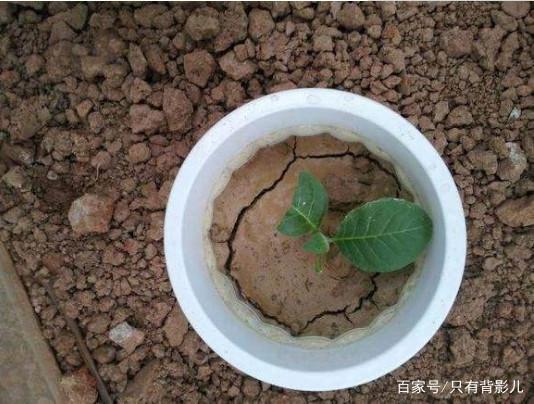
Now that people's living conditions have improved, they pay more attention to the joys of daily life, and many people keep small potted plants at home or in the office. Not only does it make the air better, but looking at the little plants or various flowers also lifts your mood. But many people who grow potted plants have run into this problem: when they first buy them, they grow very well, but after more than half a year, they stop growing and even slowly wither. No matter how you try to save them, nothing works, and in the end you have to throw them out and buy new ones. Actually, this is very wasteful. Many plants stop growing after being kept for a while because the soil in the pot is no longer loose and has become compacted. The softness of the soil can no longer meet the needs of the plant's root growth, so it slowly withers. So how can you prevent the soil from compacting too quickly? Doing this will work.
When planting flowers, you can buy nutrient soil at a flower shop or online, and this way it will compact very slowly. But if you want the potted plant to grow better, it is best to mix ordinary soil with nutrient soil. If you can find fine sand, adding a little sand to the soil is even better.
Then there is the issue of watering. Many people just use tap water to water, and over time this makes the soil very prone to compacting. If you want to keep the soil loose, it is best to use fermented rice-washing water. During fermentation, you can put some fruit peels in it, which can increase nutrients, but there must be no salt. In addition, if possible, it is best to change the soil for potted plants once a year.
Now that we have finished explaining how to prevent soil compaction, next let's talk about how to rescue soil that has already compacted.
If the potting soil in your home has already compacted and you cannot find time to change the soil for the moment, then these two little tips can help you solve the urgent problem.
First, a simple method: find a chopstick or a wooden stick, find a suitable spot in the flower pot, and use the chopstick to push it in vertically with force (if you cannot push it in partway, that means there is a main root below, so it is recommended to change to another spot and insert it there). The number of holes depends on the size of the flower pot. Then pour sand into the holes, preferably coarse sand, and when you water, the water will flow down along the sand.
The other method is actually also very simple. It just requires a little farmyard manure, preferably chicken manure or duck manure. If you do not have that, you can also deliberately use professional flower fertilizer cakes. Put them on the surface of the potting soil, then water normally. During watering, the fertilizer will seep into the soil along with the water. The fertilizer ferments in the soil, which will make the compacted soil become loose again.