A third of shrimp from shrimp-fishing ponds exceed antibiotic limits, with the highest at 15 times the limit; doctors say this raises allergy risk
Text by Lin Pei-chun, upstream and downstream reporter
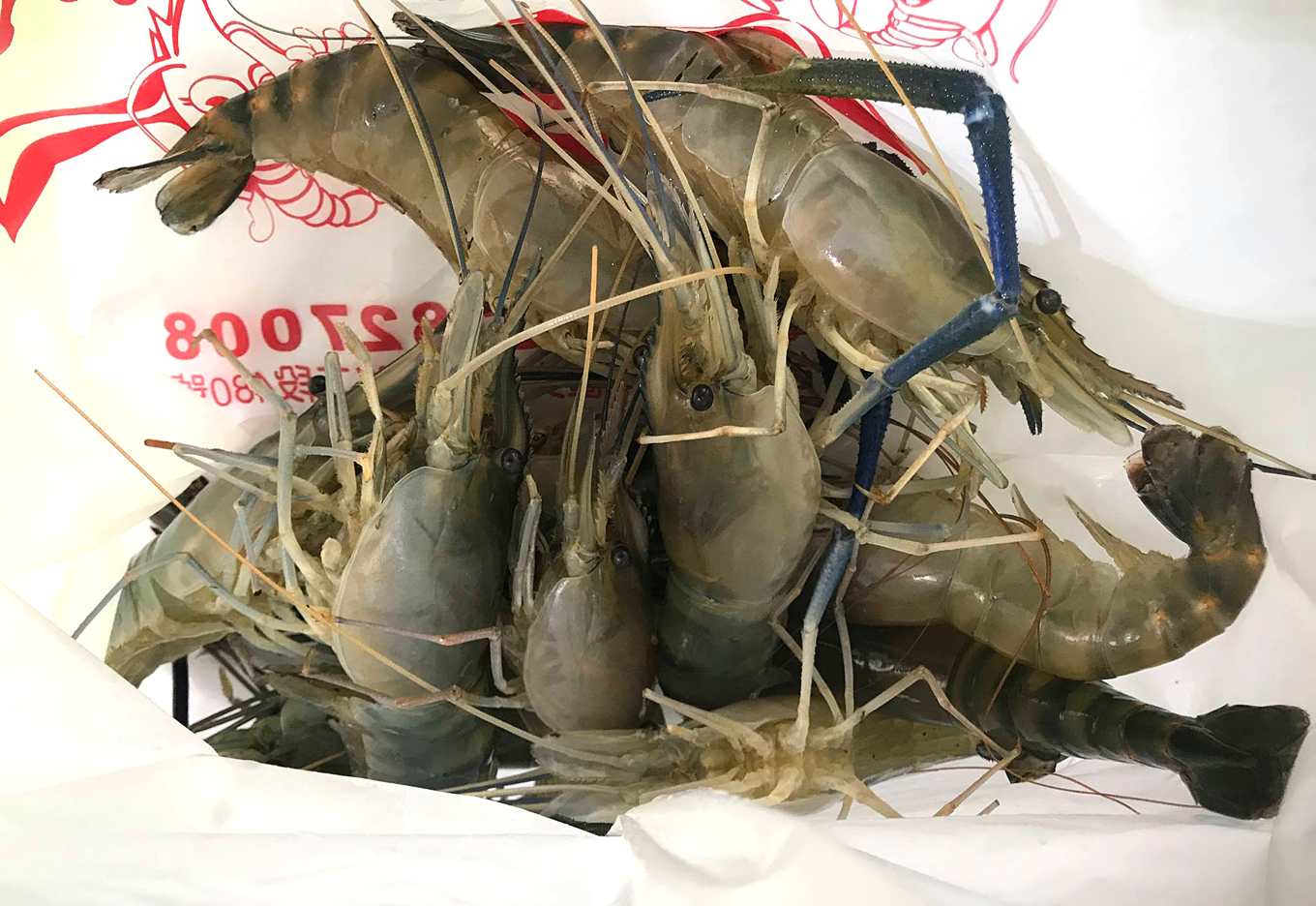
Shrimp fishing is a leisure activity many people enjoy, offering both the fun of catching shrimp and the chance to taste delicious fresh shrimp. However, the Consumer Protection Committee investigated 47 shrimp-fishing ponds across Taiwan, China, with a total of 65 shrimp-fishing pools, and found that shrimp at 3 out of 10 ponds contained excessive antibiotics, which could affect human health. In addition, more than 70 percent failed public safety equipment checks, with illegal construction being the most serious problem (see the list of violations at the end of the article).
65 shrimp-fishing pools, 14 cases of excessive antibiotics, one at 15 times the limit
The Consumer Protection Committee of the Executive Yuan today (the 13th) announced the "Results of Shrimp Testing and Building Management and Fire Safety Inspections at Shrimp-Fishing Ponds." The Consumer Protection Committee, together with local health bureau personnel, conducted spot checks on shrimp hygiene, safety and quality as well as building and fire safety at 47 shrimp-fishing ponds in Taiwan, China's nine special municipalities.
In the shrimp testing portion, among the 65 shrimp-fishing pools at the 47 shrimp-fishing ponds, 14 failed to meet regulations, a violation rate of more than 30 percent. Of these, 9 cases involved excessive levels of "7 tetracyclines" (the combined total of oxytetracycline and 4-epimer-oxytetracycline must not exceed the legal standard value of 0.1 ppm), and another 5 cases were found to have excessive "oxolinic acid" (which must not exceed the legal standard value of 0.1 ppm), highlighting concerns about antibiotic misuse.
Consumer protection official Wang Te-ming said that Yuantai Shrimp-Fishing Pond in Taoyuan had "7 tetracyclines" at 15 times the limit, and even "tetracycline," which must not appear at all, was detected; it also involved illegal construction. "This is truly rare!" He stressed that operators should review whether bacteria levels in the shrimp-fishing pools are too high, which is why large amounts of antibiotics were needed.
Wang Te-ming also said that although shrimp-fishing ponds are entertainment venues, the food safety issues hidden within them are often overlooked, noting that this was the first time the Consumer Protection Committee had conducted spot checks on shrimp-fishing ponds.
In the spot check results for fire safety management, among the 47 shrimp-fishing ponds, 19 were illegal structures. Wang Te-ming pointed out that the operators were mainly involved in issues such as non-compliant fire extinguishers and smoke exhaust equipment, as well as a lack of escape routes.
Why did antibiotics exceed limits? Under investigation
As for how to trace the medication used on the shrimp, Wang Te-ming admitted that it is currently impossible to know whether the shrimp-fishing ponds administered the drugs themselves or whether the problem came from the source farms, and only responded that health units and agricultural authorities are still investigating. If it is verified that shrimp-fishing pond operators illegally used medication, the health bureau may impose a fine under the Act Governing Food Safety and Sanitation of NT$60,000 to NT$200 million; if it is a farm problem, the Fisheries Agency of the Council of Agriculture is responsible.
Fisheries Agency researcher Cheng Shu-wen said that the Fisheries Agency is responsible for drug testing at farms, while the supervisory and penalizing authorities are the Bureau of Animal and Plant Health Inspection and Quarantine and local animal disease control agencies (such as disease control centers and animal protection offices). Cheng Shu-wen pointed out that, in addition to upstream farms and downstream shrimp-fishing ponds, shrimp medication problems may also occur during transport, but she stressed that the government is still conducting retrospective tracing of shrimp at shrimp-fishing ponds.
Shrimp anglers: Shrimp fishing is fun, but they would consider reselling the shrimp
Ms. Cheng of Chiayi loves shrimp fishing and often enjoys the Thai prawns from shrimp-fishing ponds. Faced with concerns about antibiotics at shrimp-fishing ponds, she admitted that she will eat less in the future. "I will still go shrimp fishing and enjoy the fun, but I will resell the shrimp." However, she believes operators should not illegally use antibiotics.