Growing roses for beautiful blooms: this driving force is the key
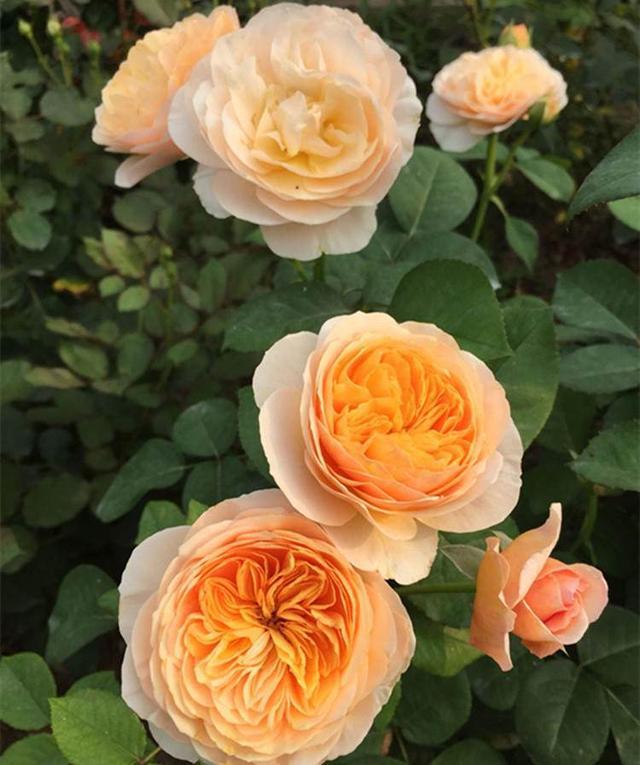
Roses, when grown well, will always produce beautiful flowers. However, many gardening enthusiasts feel powerless when growing roses, because no matter how they grow them, they either fail to bloom or run into all sorts of problems. In fact, when growing roses, you need to understand what truly is the "driving force" behind beautiful blooms.
To make roses produce abundant, beautiful blooms, gardening enthusiasts need to fertilize, prune and prevent pests and diseases, along with various other care tasks. But before doing all this, there is one thing that must be done well first, and that is the "driving force" behind beautiful rose blooms: letting the rose root system grow healthily.
A rose's roots, branches and leaves, and flowers complement one another. In other words, if gardening enthusiasts want roses to produce more flowers, they need branches and leaves of the corresponding quality and quantity, and what effectively guarantees these branches and leaves is a healthy and fully extended root system.
This principle is not limited to roses. Plants generally transport the water and nutrients they absorb from the roots to the branches and leaves, and then the branches and leaves transport the nutrients produced through photosynthesis back to the roots. It is precisely because of this mutual relationship that cultivating healthy plants first requires creating an environment that can cultivate healthy roots.
Therefore, when caring for roses, growing the root system is very important. Root growth depends on the supply of fertilizer, soil and so on. For fertilizer, gardening enthusiasts are generally recommended to use organic liquid fertilizer specially made for roses, which is rich in nitrogen, phosphorus and potassium, and the organic acids it contains can also convert the nutrients in the soil. When applying, once a week, dilute 500 times, and simply water the soil.
Although it is very important for the entire rose root system to grow thick and spread out, what brings vitality to the plant is mainly the fine, soft fibrous roots at the tips of the roots. The tips of the fibrous roots grow very actively, repeatedly undergoing cell division, and are the growth points of the rose's roots.
If the environment in the flower pot is good and the fibrous roots are very vigorous, then the rose's root system tends to be white and has a sturdy texture. Conversely, if there is excess fertilizer, the roots will become tangled and chaotic; in addition, when air permeability and drainage are poor, the roots cannot grow healthily, and situations such as the root tips turning black and rotting will occur.
When the rose root system grows vigorously, the branches and leaves can also grow vigorously, and sturdy branches will bloom, so cultivating a sturdy rose root system according to the following 5 key points is the most important part of potted rose growing.
1. Use soil with good air permeability and drainage for planting;
2. Choose a flower pot of appropriate size;
3. Ensure sufficient light to satisfy sufficient [requirements];
4. Water with a balance of restraint and frequency, paying attention to "dry-wet cycling";
5. Do not over-fertilize.