Potted passion fruit blooms beautifully, bears plenty of fruit, and tastes very sweet
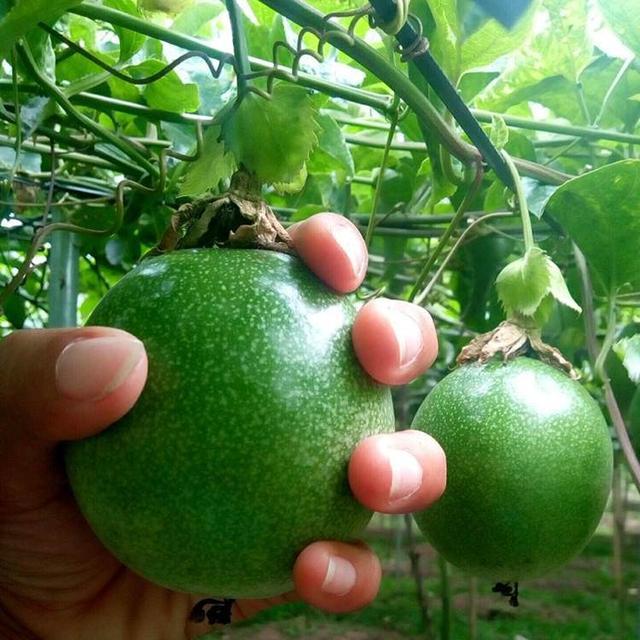
Passion fruit, also called passionflower, bears yellow fruit as smooth and lustrous as jade, and purple fruit that is delicate and lovely, shaped like eggs, hanging all over the branches, full of vitality and delightful to the eye. The yellow fruit can bloom and fruit twice a year; when it blooms, the three colors of purple, white and yellow set each other off beautifully, a feast for the eyes. Growing a pot at home lets you both eat and admire it, hitting two birds with one stone.
Passion fruit should be grown in a warm, sunny environment; gardeners in the north can grow it in pots for ornamental enjoyment. It likes a sunny, warm climate and fertile, well-drained sandy loam, and hates waterlogging. It is not cold-tolerant; growth suffers once the temperature falls below 10°C.
It can be planted out when the rainy season arrives each year in June to July. During seedling raising, management should be strengthened to grow strong seedlings. When planting passion fruit, one thing to note is that a trellis should be built in time; this way, the passion fruit can fruit earlier.
Building a trellis for passion fruit has several main benefits: first, sufficient light and good ventilation, which reduces shaded branches; second, easier pruning and harvesting, and better results when spraying.
In addition, when caring for passion fruit, after the seedlings are planted out and established, keep 1-2 main vines to climb the trellis and cut away excess side branches and side shoots. Use a single-wire fence-style trellis. In the first year, keep 2 main branches per plant, extending along horizontal wire; fruiting branches grow from the main branches and droop downward, and in a short time the vines can cover the whole trellis. Branches near the main vine bear fruit first; once the fruit ripens and drops, prune immediately back to 2-3 nodes, and the buds that sprout again from their base can form new fruiting branches. After the last batch of fruit is harvested in winter, all fruiting branches are pruned back to the base.
Because passion fruit grows year-round, grows vigorously and produces a large amount of growth, with one plant growing more than 10 kg of branches and leaves in a year, it consumes a lot of nutrients and must be fertilized promptly to replenish them. Rational fertilizing should be guided by leaf and soil nutrient diagnosis; sufficient and balanced nutrition is a prerequisite for normal fruiting and guaranteed fruit quality.
Generally, passion fruit is given mainly nitrogen fertilizer in the early stage, and once it enters the fruiting stage, phosphorus and potassium fertilizer should be added; a nitrogen, phosphorus, potassium ratio of 2:1:4 is more reasonable, or gardeners can directly use an organic liquid fertilizer specially made for fruits and vegetables, diluted 500 times, once a week; the passion fruit will bear lots of fruit and grow well.
In addition, when fertilizing passion fruit, also note: fertilize 3-4 times a year; the first time in February to March when it sprouts and blooms, mainly nitrogen fertilizer; the second time in May to June during fruit development, mainly phosphorus and potassium fertilizer; the third time in September to November after the fruit is harvested, preferably a nitrogen-phosphorus-potassium compound fertilizer.
With this kind of fertilizing and care, passion fruit will produce sheets of flowers, and after enjoying the blooms, you can eat the sweet fruit.