3 conventional methods for propagating jasmine, reliable every time
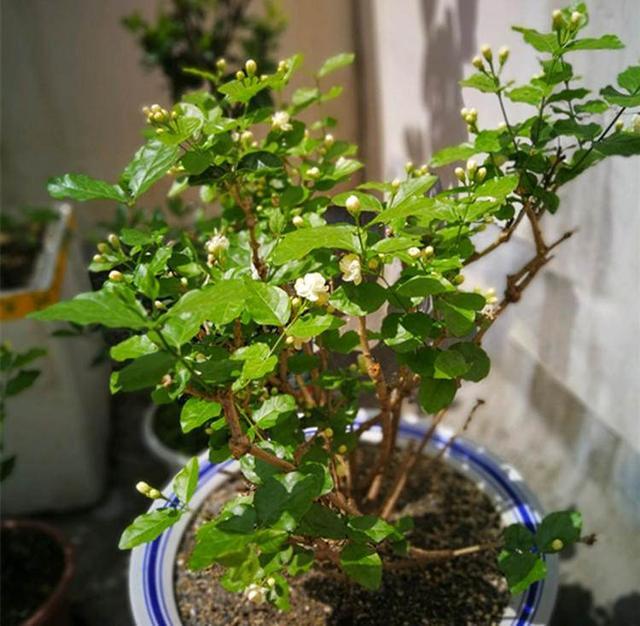
Jasmine has strong regenerative ability and is easy to propagate successfully. The propagation methods include cutting, layering and division - these 3 methods are reliable every time. They can be done in spring, the mold season and autumn; as long as the climate is suitable, moisture is maintained and shade is paid attention to, rooting is very easy.
1. Cutting method
For gardeners in the Jiangnan region, taking jasmine cuttings during the plum rain season gives the highest survival rate. Choose vigorous, well-filled, pest- and disease-free branches for the cuttings, cut them into small sections 12-15 cm long, each with 3-4 plump buds. The cut should be smooth and the slant should be large to help healing and rooting. Remove all the lower leaves of the cutting and keep only the upper 2-3 leaves. Insert immediately after cutting to avoid affecting survival through water loss.
Insert the cuttings to a depth of 1/2-2/3 of their total length, with a plant and row spacing of 3-5 cm, in sandy loam or clean river sand. After inserting, spray with enough water using a spray bottle and cover with a transparent plastic film cover. Keep the relative air humidity at about 80%. Remove the film cover every day for ventilation and spray water 1-2 times. Place in a shaded spot; after half a month give scattered light, and in about 3 weeks they will heal and root.
When new leaves grow from the axillary buds of the jasmine cuttings, increase the light. During the growing period, apply a general-purpose organic nutrient solution for flowers once every 7-10 days, diluted 500 times with water and poured on. The cuttings can bloom in the same year. Generally, transplant them into pots in the spring of the 2nd year, planting 3-5 plants per pot. The potting soil should be loose, fertile and well drained. After recovering from transplanting, they regain vigor, and then watering with fertilizer about once every 7 days will keep them growing vigorously.
2. Layering method
Jasmine layering propagation can be carried out from May to June. Choose 1- or 2-year-old well-filled, pest- and disease-free branches and perform "ground layering". After layering, roots form at the adventitious buds in 10 days to half a month, and after 40 days they can be cut and separated from the mother plant with sharp scissors. Then pot the new plants, and they can also bloom in the same year. Because potted plants do not have many branches and the operation is rather troublesome, layering propagation is not commonly used.
3. Division method
Because jasmine has a clumping nature and strong ability to sprout adventitious buds, large potted plants grown for many years can be propagated by division. When repotting and changing the soil in spring, naturally pull the jasmine mother plant apart into several clumps and pot them separately. For the first 1 week, keep them shaded, then move them to a sunny place for care.