Soil compaction after long-term potted planting? Here's how to effectively prevent and treat it
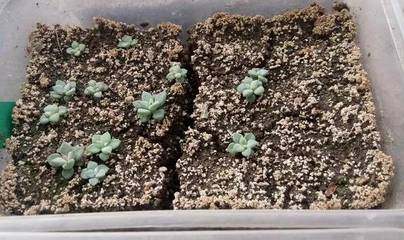
The root systems of different plants have somewhat different requirements for the soil environment, and the quality of the soil directly affects plant growth. So create a growing medium suited to flower growth based on the plant's habits; generally choose soil with good looseness, such as yellow sand, coal cinders, etc., to adjust it and avoid soil hardening.
Tap water contains large amounts of bleaching powder, chlorine and other substances. These substances speed up soil compaction and can even cause salinization. This harms flowers, so when using tap water to water flowers, it is best to let it sit for a few days. This allows the chlorine and bleaching powder in the water to fully volatilize and prevents soil compaction.
Repotting is also called turning the pot or inverting the pot. After a plant has grown in a pot for 2-3 years, the potting soil becomes nutrient-poor and harmful substances accumulate. Combined with root aging, a thick root mat forms against the pot wall, causing soil compaction and making nutrient uptake and transport difficult. At this point it is time to repot. Repotting is generally done during the plant's dormant period (leaf-drop period) on a cloudy day or in the evening. First take the plant out of the original pot as a whole clump with its soil, cut off the net-like root mat, and slice off about 1/3 of the original soil together with the roots. At the same time, prune the branches and trunk moderately. Then place the plant with its clump into the old pot or a new pot, fill in new nutrient soil (it should be loose and fertile, breathable and drainable, and rich in humus), and finally water it.
If you find repotting too troublesome, you can loosen the soil by hand with tools such as chopsticks, replace the soil locally, or poke several ventilation holes in the potting soil that reach all the way to the bottom of the pot. Perlite. You can also put some perlite in the soil. Online, more than 10 yuan gets you a really big bag. Mix original soil with perlite for growing flowers, and the soil will not compact.
Chemical fertilizers should not be used. Because in chemical fertilizers only the cations or anions are the elements plants need, plants unilaterally take up the elements suited to their own growth, causing soil acidification or salinization. The destruction of soil structure reduces the soil's water-holding capacity, fertilizer-holding capacity and permeability, causing soil compaction, which in turn causes organic matter to lose a certain amount of activity, because the decomposition of organic matter is achieved through the activity of microorganisms.