Jasmine's biggest fear is red spider mites - with these few tricks you can say goodbye to the problem for good
When growing jasmine, is mastering light, water, soil and fertilizer enough to create a perfect potted plant? Of course the answer is no. In fact, jasmine also needs attention paid to pest invasion during its growth, and a slight lapse in care can very likely deal a devastating blow to the plant. Among the pests, red spider mites cause the greatest damage, so what can be done to completely eliminate them? There really are ways, so let's take a look together below.
These signs may mean you have been hit
Many people may not be clear about what signs appear when a red spider mite infestation occurs. If you happen to be in this situation, then take a look at your own jasmine - if it shows the following phenomena, it has probably already been hit. First, the most intuitive sign is curled and wilting leaves. Many people will interpret this as a lack of water in the potting soil, but in fact it may be caused by red spider mites. Inserting a chopstick to judge the degree of moisture in the potting soil can help you understand the situation.
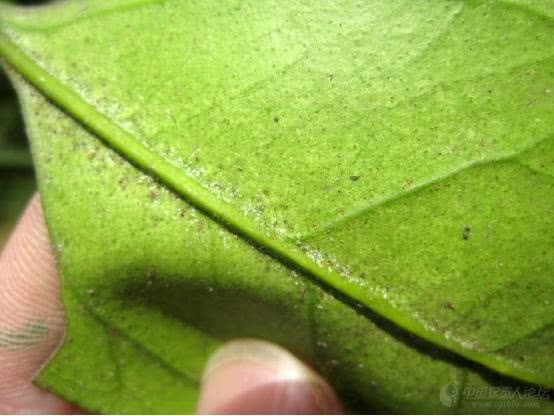
Second, if the leaf surface shows no obvious curling but has spots of varying shades, or if you turn over the leaf and find very tiny crawling insects or fine white webbing on the back, then do not doubt it at all - your jasmine has been infested by red spider mites. Usually red spider mites are concentrated along the veins on the underside of leaves, and in the early stage they are especially concentrated at the leaf stalk!
So how exactly should it be treated?
First, if you want to prevent it, you can often place the jasmine in a cool, ventilated spot. If outdoor conditions do not allow it, you can also use a fan to blow on the jasmine for about 30 minutes. Remember, never let the jasmine grow in a dry, hot, unventilated environment. With plenty of ventilation, you can naturally prevent it effectively.
And if your jasmine has already been "hit", then the simplest and most effective method is still to use insecticides. Propargite, dicofol, dimethoate, huachongjing, fenvalerate and others all have good effects. However, note that when spraying these insecticides, it is best to move the flower pot outdoors, and after spraying, even if you move it back indoors, keep it away from food and utensils and avoid contact by children.
Is there a method that does not use pesticides?
It is not that there is none, but the effect may be somewhat reduced. For example, we can choose ginger, tomato, orange peel, chili pepper and the like, grind them into powder, soak them in water for a period of time to make a solution, and after filtering it can be used as a simple agent. However, these homemade preparations either smell rather unpleasant or may attract other flies and insects, so when using them be sure to control the amount and ventilate promptly.
In addition to these, we can also use mosquito coils to give the jasmine itself a "fragrance therapy" treatment, or spray diluted soapy water on the leaf surface; both have a certain effect. Those who are interested may as well give them a try. In fact, as long as you pay attention to prevention and follow standard methods when pests occur, keeping jasmine free of red spider mites is still quite simple.