How do you choose cuttings? Choose right and they'll root and grow new shoots
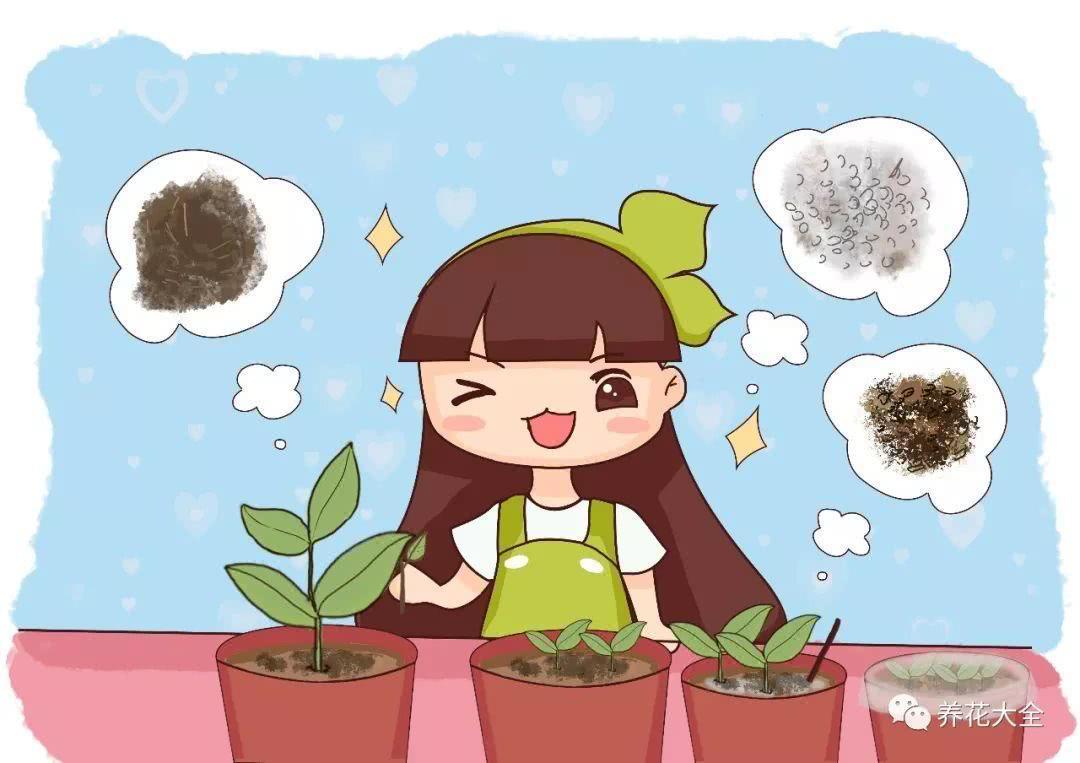
You can take cuttings in summer too, but many gardening friends complain that no matter how they do it, the cuttings just won't succeed. What exactly is going wrong? Huahua is really anxious about this, so today let's talk specifically about what to pay attention to when taking cuttings and how to make them succeed
Choose suitable stems for cuttings
The Complete Guide to Growing Flowers
Taking cuttings isn't just about snipping off any random stem. As long as we choose the right stems, the cuttings will root faster and the young plants will be more robust
1. Choose 1-year-old, healthy stems
Take roses for example. It's best to cut green stems with plenty of buds; do not use old, woody stems; do not use thin, weak young shoots
It's best not to use ones that look spotted, as they may carry disease and pose a high risk for cuttings
2. Length of 8-15 cm, with 2-3 buds
There's no special requirement for the length of the cut stem. Some smaller flowers, such as geraniums and moss rose, can be propagated from 6 cm cuttings, while roses and bougainvillea can be longer, with at least 2 buds
Cutting medium and depth
The Complete Guide to Growing Flowers
1. Use sandy, breathable soil
For cuttings, it's best to use sandy soil, perlite, or cinder soil. These soils retain moisture and are breathable, which helps the stems respire
2. It's best to use a transparent plastic cup
For beginners, it's best to use a transparent plastic cup for cuttings, as it makes it easier to observe whether there's too much water, whether rot has set in, or whether roots have formed
Once the cuttings are in, don't move them around, and don't pull them out out of curiosity just to take a look. Use a small transparent cup for cuttings, and you'll be able to see when roots grow!
3. Depth of the cutting
The cutting depth is 2-5 cm, depending on the flower variety. Do not insert the cutting too deep, as it easily rots. The lowest bud on the stem should not be buried in the soil; it should stay above the soil surface
Care after taking cuttings
The Complete Guide to Growing Flowers
1. Environment and light
After taking cuttings, do not expose the stems to strong sun. In summer, place them in a shady spot; in spring and autumn, they can receive morning and evening light, but avoid direct sun at noon
After about 12-15 days, once rooting is stable, give them some sun as appropriate, or place them in a bright spot at home
2. Watering
Either moisten the soil before taking cuttings, just slightly damp, or water thoroughly right after inserting them. Keep the soil moist at ordinary times. Never water too much, or the roots will be soaked and rot
A few common problems with cuttings
The Complete Guide to Growing Flowers
1. False growth of cuttings
Some stems start sprouting and growing leaves not long after being cut. Don't celebrate too soon, as this is very likely false growth. That is, the original nutrients are all being supplied to the buds, and the roots can't make it
How to judge: if the old leaves on the stem wither first and then the buds appear, then it's fine; if the old leaves are still doing well and the buds have also grown, it's almost certainly false growth
What to do about false growth: do not touch it. If you want to try to save it, remove the new buds and preserve the nutrients to see if it can still grow roots, or else just leave it to fate and wait until it uses up all its energy
2. Repotting after cuttings have rooted
Generally, after cuttings root, the young plants will grow several leaves in succession. After they grow 3-5 leaves, they will stop growing. This is a normal root-building phenomenon, so don't touch them. After this process lasts half a month, then consider repotting
When repotting, be sure to move them together with the soil. Do not knock the soil off the roots. This not only protects the new roots but also helps them settle into the new pot as quickly as possible after repotting
After repotting, water thoroughly and place indoors away from direct sunlight. After about 2-3 days, they can receive morning and evening sun, and after half a month they can be cared for normally
These little tips about cuttings
Have you all learned them
Save them
Keep them for later use
?