Plant vegetables like this on your balcony, and you'll have more than you can eat all summer without buying any
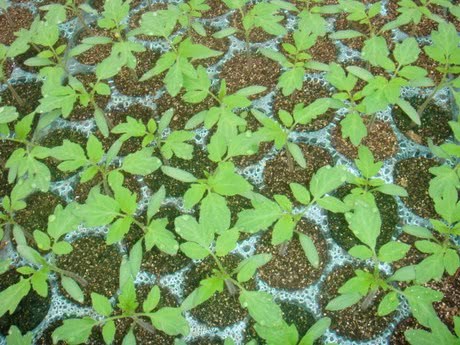
To grow vegetables well on a balcony, pay attention to the following points:
1. Soil mixing
Growing vegetables starts with mixing soil. You can use half garden soil and half leaf mold; you can also dig out the rotted, blackened humus from under an old woodpile and mix it evenly with garden soil in equal parts. This kind of soil is best for growing vegetables. Add a little organic fertilizer or decomposed cake fertilizer to the soil. The amount of fertilizer should be added appropriately according to the size of the container; too much can easily burn the roots. When choosing containers, pick larger ones if possible, such as foam boxes, plastic crates, etc., because you're growing them to harvest, so plant as many as you can.
2. Choosing vegetables
If you want to eat vegetables sooner, plant some baby bok choy, small rapeseed greens, leaf lettuce, and cilantro. These kinds of vegetables have a short growing period and are harvested faster. You can also plant some garlic chives and fennel seedlings. These vegetables are best for making fillings, and they can be harvested multiple times, so they offer better value. There are also all kinds of radishes, which can also be grown on a balcony and look very attractive. After all, ornamentation comes first, and eating comes second. Chili peppers and pearl tomatoes bear a lot of fruit; one or two plants are enough, and with good care, the harvest will be more than enough for you to eat. There are also cucumbers, loofahs, pumpkins, and zucchini. This gourd category has larger plants with many vine branches, so you need enough space to grow them and set up a trellis for them to climb, otherwise they won't bear many gourds. You can choose suitable seeds according to your own preferences.
3. Planting
Bury the seeds or seedlings in the soil; the seeds don't need to be buried too deep. Before planting, you can cover them with a moist gauze for a few days to germinate them, keeping the gauze moist until the vegetable seeds sprout. Keep the soil moist, with sufficient light and good ventilation, and that's it.
4. Management
After the seedlings emerge, thin them out. Set the spacing between seedlings and rows according to the size of the container. They must not be planted too densely, or they won't grow well. Water promptly, because vegetables all like a moist environment, and this way they grow faster. Of course, they need sunlight. Except when the high temperature is above 35°C and they need to be moved indoors, at other times they can be kept outdoors. Or they can be kept indoors for a long time in the sunniest spot. Since base fertilizer has already been applied, as long as the leaves of the growing vegetables don't turn yellow, there's no need to fertilize.
After they bear fruit, you can appropriately use a little cake fertilizer, not too much. Use light fertilizer sparingly, and don't put it against the roots, to avoid burning them. If you find insects, control them promptly. You can pick them off, or spray with pungent things like garlic and chili peppers. As long as it isn't serious, it's best not to use pesticides. For vine-climbing vegetables, pinch off the growing tips to control the plants. Once they reach a certain height, or depending on the size of the space, pinch off the tips to promote branching, or to make the seedlings thicker and stronger, so they bear more and larger fruit.
When growing vegetables, what I most love is watching them grow. Every bit of growth brings joy and a sense of accomplishment, and the harvest is even more delightful and satisfying. Growing vegetables on a balcony is a really great choice. You won't need to buy vegetables all summer long.