Balcony potted tomatoes: one small seedling can bear thousands of fruits, and you can learn it in 3 minutes
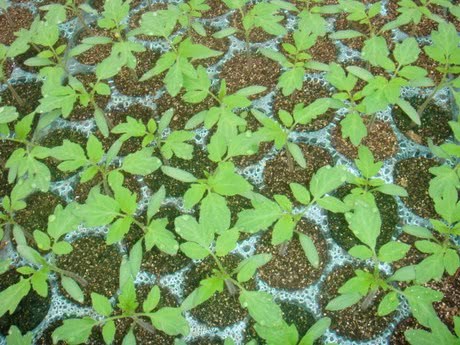
Today I will teach you to grow something practical, both beautiful and delicious - potted tomatoes!
For potted tomatoes, be sure to pay attention to the following points:
1. Choosing pots and mixing soil
Choose a larger container, a foam box or a plastic crate, as large as possible. Plant spacing 40 cm, row spacing 20 cm; they must not be too close together, which is not good for fruiting. If using flower pots, only one plant per pot; more will not do. The potting soil should be about 30 cm thick, so that its root system can fill it; soil that is too thin will not do. Use garden soil mixed with leaf mold at a ratio of 3:1 and mix evenly. Add some carbendazim to the potting soil for pest and fungus prevention.
2. Planting
You can buy seeds to plant, or save them yourself from well-ripened tomatoes. Bury the seeds in the soil, but not too deep; a shallow layer of soil is enough. The soil must be kept moist, with plenty of sunlight. In about a week they will take root and sprout. From small seedling to a tomato plant with four or five leaves takes about a month; this really is rather slow. You can directly buy tomato seedlings to plant, or you can go to someone's tomato greenhouse and dig up the small seedlings under the large tomato plants. The small seedlings have already taken root, and after digging them up they can be planted directly, with a very high survival rate.
3. Management
From planting the tomato seedlings to flowering takes about a month. After flowering, the flowers need to be pollinated. Some varieties now can set fruit without pollination. For pollination, use a medicinal solution called 2.4-D, a special medicine for tomatoes; without it, it will not do. You can go to a tomato greenhouse to ask an old farmer for some, or buy it from an online shop or a flower shop. After buying it, use something like a writing brush, dip it in the solution, and then apply it to the flower's receptacle area, not the flower center, otherwise the fruit will not form properly. When pollinating, the temperature should preferably be 15-30°C. Choose thick, strong flowers, and pollinate only once; do not repeat! Also be careful not to spill it; if it falls elsewhere, it can easily burn the seedlings. Only in this way can small tomatoes set fruit. Pretty amazing, right!
Keep at most three or four tomatoes on one branch; too many will not grow well. As the plant continues to grow taller, when it reaches 7-8 cm away from this tomato branch, keep another tomato branch, with the same pollination and fruit thinning. One tomato plant should keep at most three tomato branches; too many really will not grow well. After the first branch of fruit has set, you must tie it to a small stick or something as support, because the tomato's stems and vines are very soft and cannot bear too much weight. After three tomato branches have set fruit, pinch off the growing tip so that the absorbed nutrients go to support the fruit. Also pinch off any side branches that appear in time to avoid nutrient loss.
4. Fertilizing
When the tomatoes have taken shape, you can apply some compound fertilizer. Dissolve the compound fertilizer in water and pour it into the soil. The amount depends on the size of the flower pot. For four tomato plants, you can pour in a large pinch of compound fertilizer water. When all three tomato branches have grown, pour compound fertilizer water once more. You can also use other fertilizers; this is up to you.
5. Light. Light must be sufficient; they can receive sunlight all day, otherwise the tomatoes will not grow well.
6. Watering. For watering, you can follow "water when dry, let dry when wet," or "water thoroughly after completely dry." Keep the soil ventilated and breathable; it must not stay waterlogged for a long time, otherwise the roots will easily rot.
If you do all these well, you can harvest. Watching it go from seedling to picked fruit, what a great sense of achievement it is. No matter how much you harvest, at least the process is enjoyable.