What should you do if the leaves of your clivia (Clivia miniata) are wrinkled? Care for them this way for broad, thick, emerald-green leaves
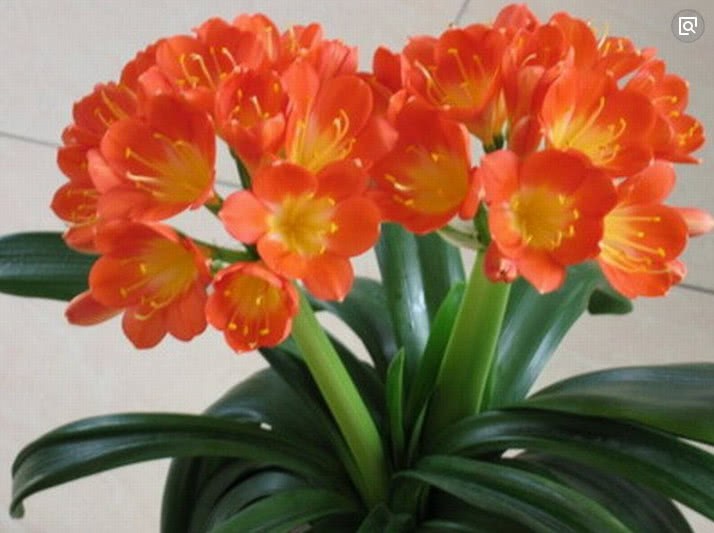
There are many, many varieties of clivia, and the leaves of some varieties are the most prone to wrinkling. Qulan and Henglan develop wrinkles after more than two years, and clivia with relatively broad leaves develop them after three or four years, but this situation is normal. Leaves that grow after four years will no longer be wrinkled. The temperature for clivia also has an effect
When the growing temperature for clivia is below 10°C or above 35°C, the tissue cells of the clivia will become deformed because of the unsuitable conditions, and this will ultimately cause the leaves to wrinkle. During care, it is best to ensure that clivia grows between 10 and 35°C. Over-fertilizing clivia can also contribute to wrinkling, so when fertilizing, it is better to apply too little than too much
To prevent root rot caused by overwatering, clivia should not be watered too much, but it also should not be left dry for a long time. If the leaves of clivia become wrinkled, first check whether it is due to the variety, then look at the temperature, the amount of watering, and fertilizing. Start with these aspects and then treat the specific cause, and your clivia will naturally grow emerald green, broad and thick