Is the jade plant (Crassula ovata) toxic? Teach you the correct way to grow it
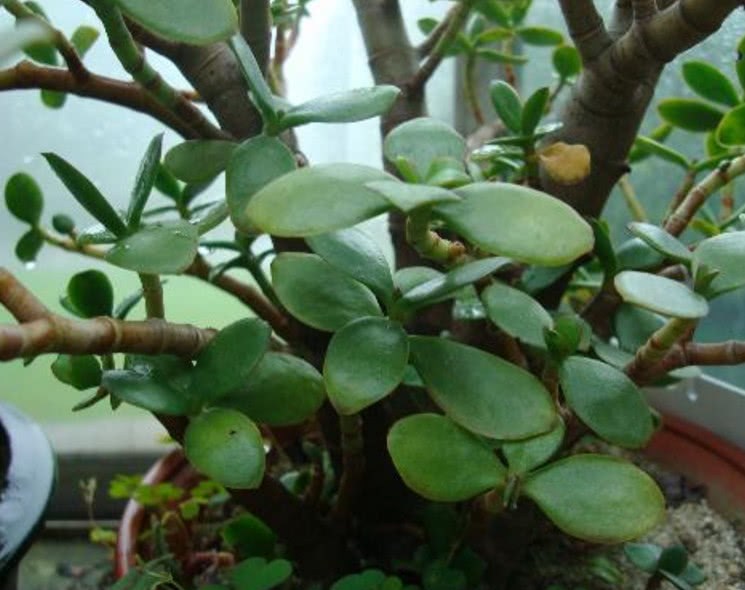
There are many varieties of succulents, so they have a great many names too, and they all look very cute. The jade plant (Crassula ovata) has a very unique appearance and is a succulent with a distinct character. The jade plant also has another name, "Yushu" (jade tree), which you have probably heard of more often. The jade plant's branches and leaves are thick and plump, green all year round, with unusual leaf shapes, and it is simple to care for
It is suitable for potted cultivation and is very elegant and refined. The sap of the jade plant is toxic; accidental ingestion can cause redness, swelling and soreness of the skin, and if it splashes into the eyes it can cause blindness. For growing the jade plant, it is suitable to use leaf mold and garden soil with a small amount of river sand added, so that the soil has air permeability and water retention. The jade plant's suitable growing temperature is 15 to 32 degrees. It dislikes high temperatures and muggy heat; at a high summer temperature of 33 degrees, it will enter a dormant state
When the winter temperature drops to 7 degrees, it will also enter a dormant state. The jade plant likes sunlight; insufficient sunlight will lead to damp heat and root rot, and strong sunlight is also harmful to the plant's growth. In spring and autumn, water once every two days, and there must be no standing water in the pot. When the high temperature reaches 30 degrees, the plant is in a dormant state, and the amount of watering should be controlled