How do you care for indoor potted plants? Master these few steps and your home instantly becomes a sea of flowers
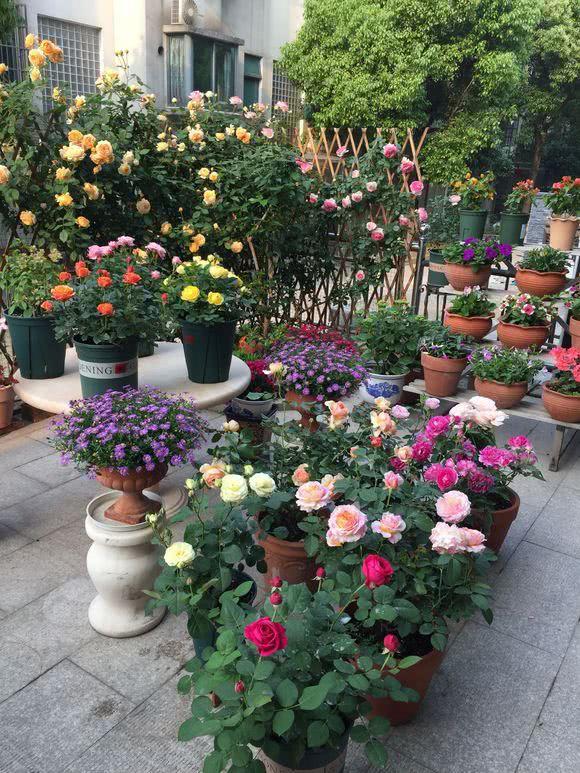
Growing flowers and plants can both relax the mind and cultivate character. It is an important way for us to shift the pressures of life and release our true inner selves, and nowadays, more and more friends are happy to cultivate their interest and hobby in this. But as beginners, do you really understand how potted plants should be cared for in the two completely different environments of indoors and outdoors? It is not as simple as we imagine. Let us first solve one difficult problem - how exactly should indoor potted plants be grown!
Many friends, in the process of growing flowers, do not fully understand the two concepts of "indoor" and "outdoor", thinking that indoor means blocking light and outdoor means ventilation, but in fact there is much more to it than that.
First, if you want to grow a pot of flowers well indoors, the issue you need to consider right from the start is the choice of soil. You should know that indoor ventilation conditions are far worse than outdoors, so we need to consider more when choosing soil. Here we recommend using humus soil, which is the rotted leaves and soil under large trees after removing the surface layer. This kind of soil has the advantage of strong fertility and good air permeability. Of course, if we take drainage into account, we had best mix in some river sand or place broken tiles near the drainage hole at the bottom of the pot. The growing soil should also ideally take acidity and alkalinity into account according to the characteristics of the plant. Do all of this and there will be nothing to worry about.
Once the soil is chosen, you need to find it a container, which involves choosing a flower pot. In fact, there are many choices of flower pots. Whether plastic, purple clay, glass, wood, ceramic, or clay pots, all are good choices. But for indoor growing, we recommend clay pots or purple clay pots. On the one hand, they are not as fragile as plastic pots and provide good protection for the flowers themselves, and on the other hand, they themselves also have good air permeability, so we do not need to spend extra time dealing with these problems.
Once the pot and soil are chosen, the next issue is watering. If you choose to grow potted plants indoors, then in this respect you can be as "lazy" as possible. According to your own environment and temperature, understand the habits of the plants and treat each one individually. For plants that do not like water, such as snake plants and succulents, you can water once a week, and in winter even once every half a month. As for plants that like water, the watering frequency needs to be decided according to whether their soil is dry or moist.
Outdoors there is a good ventilation environment, but this does not mean that growing flowers indoors does not require considering ventilation at all. In fact, when growing flowers indoors, ventilation is the most critical thing. Those growing them outdoors do not need to consider these things. Some flower lovers, for the sake of appearance, often like to place plants in places indoors that they think are suitable, regardless of whether there is ventilation or not. In this way, over time, even the easiest plants to grow will be killed. I generally put my plants on the balcony or by the window and keep them ventilated often. Even in winter, I will open the window for ventilation, (but in winter you must never let the plants be directly exposed to cold wind). If you really want to put them in an indoor place without ventilation, then rotate them once a week, raising them indoors in turns.