Eating these wild vegetables can prevent anemia, slow skin aging, and help children and the elderly supplement calcium
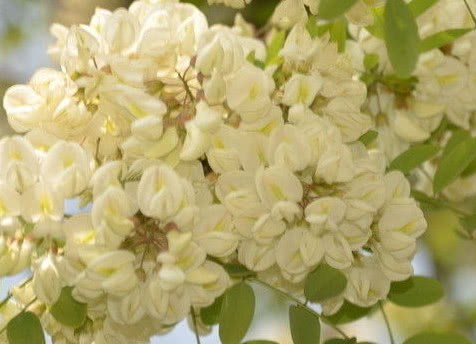
The flowers of the black locust, also known as acacia flowers. The darker the color, the more ways they can be eaten, such as stir-fried or used as filling. Black locust flowers are rich in protein, fat, sugar, various vitamins, minerals, canavanine, flavonoids, and more. The pollen they contain has even better nutritional value. "Guizhou Folk Prescriptions" records that it "stops rectal bleeding and coughing up blood, and also treats red blood discharge in women." If young black locust shoots and young leaves are mistakenly eaten as a side dish, poisoning may occur due to factors such as the body being allergic to black locust, improper cooking, eating too much, or exposure to sunlight after eating. 23 cases have been reported, with poisoning mostly occurring between 2 and 20 days after eating. Symptoms include swelling of the face and hands, local prickling pain, burning pain or distending pain, itching, and general weakness. Treatment: decoct 2 liang of edible vinegar and 4 liang of dandelion and take it, temporarily avoid sunlight, and symptoms can be relieved within 2 to 3 days.
Wild garlic is also called small-root garlic. It looks like single-clove garlic, but is smaller than garlic, and its smell is somewhat like scallion. Research shows it contains 17 kinds of amino acids. In health care, traditional Chinese medicine believes that Chinese garlic bulb has a warming and tonifying effect, can strengthen the spleen and open the appetite, aid digestion, cut greasiness, and promote appetite. For weak people, Chinese garlic bulb can moisten the middle and tonify deficiency, making people more resistant to cold. It helps prevent anemia and has a detoxifying effect, and can also promote hair growth and prevent skin aging. It can also be used for allergies, hepatitis, leukopenia, and other conditions. It can strengthen the stomach and stop dysentery, relieve pain, unblock yang and transform qi, open the chest and dissipate nodules, and is suitable for regular consumption by people with coronary heart disease, chronic enteritis, and high blood lipids. In addition, Chinese garlic bulb is extremely high in inorganic salts such as calcium and phosphorus. Regular consumption helps strengthen muscles and bones, and has good nutritional value especially for growing children and elderly people with calcium deficiency.
Relieving fever and expelling phlegm: The volatile oil and other active ingredients in scallion can stimulate the body's sweat glands, achieving the effect of inducing sweating and dissipating heat; scallion oil irritates the upper respiratory tract, making sticky phlegm easier to cough up. Promoting digestion and absorption: Scallion also stimulates the body's secretion of digestive juices, can strengthen the spleen and open the appetite, and increase appetite. Antibacterial and antiviral: The allicin contained in scallion has a clear effect against bacteria and viruses, especially with stronger inhibitory effects on dysentery bacilli and skin fungi. Preventing and fighting cancer: The pectin contained in scallion can significantly reduce the occurrence of colon cancer and has an anticancer effect. The allicin in scallion can also inhibit the growth of cancer cells. In addition, small garlic also has dietary therapeutic effects. Small garlic is pungent in nature and bitter in taste, and warm; it has the effects of unblocking yang and dissipating nodules, and moving qi and relieving stagnation; it is used for conditions such as stomach qi stagnation and diarrhea. Eating more garlic is beneficial and harmless to us, and everyone can eat more garlic, which can also effectively help us enhance our immune system. Especially in winter when influenza is rampant, eating more garlic can effectively improve our ability to resist viral infections, and the price of garlic is not particularly expensive.
Traditional Chinese medicine treats phlegm-fluid cough and asthma, facial and eye edema, chest and abdominal fluid accumulation, edema, difficult urination, and cor pulmonale. Mongolian medicine treats fighting heat, organ heat, toxic heat, blood heat, "Xiri" heat, lung infection, cough, asthma, and cor pulmonale. Flixweed is not only a spring wild vegetable that many people love to eat, but can also be used medicinally, with medicinal effects such as expelling phlegm, calming asthma, strengthening the heart, and promoting urination. Flixweed contains a large amount of crude fiber and has the effect of moistening the intestines and relieving constipation. After maturity, the seeds of flixweed are a type of the traditional Chinese medicine Tinglizi, and can treat chronic bronchitis.
Main indications: lung-heat cough and asthma; sore throat; intestinal abscess; boils, swelling, and sores; venomous snake bites; painful hot strangury; edema; dysentery; enteritis; damp-heat jaundice; skilled at treating various tumors. Usage and dosage: Oral use: decoct in water, 15-30 g, with a large dose up to 60 g; or mash to extract juice. External use: mash and apply. Treatment of pediatric pneumonia: use Hedyotis diffusa injection, 2 milliliters each time by intramuscular injection (containing the active ingredients of 4 grams of crude drug), halved for infants, twice daily, with a course of treatment of 5 to 7 days. 112 cases were treated: 52 cured, 25 nearly cured, 17 improved, 12 ineffective, and 6 died, with an average hospital stay of 7.98 days. Treatment of pelvic inflammatory disease and adnexitis: use 75 grams of Hedyotis diffusa, combined with 15 grams of Zanthoxylum nitidum (liang mian zhen), or additionally 15 grams of Cudrania cochinchinensis (chang zhi), decocted in water, 1 dose daily. After treatment of 77 patients, 4 cases were ineffective and the rest all recovered. Treatment of benign thyroid nodules: 30 grams of Hedyotis diffusa, 15 grams of red peony root, 6 grams of platycodon root, and 10 grams of brown sugar; long-term use has a good effect.