New Recommendations for Elm Bonsai: Auspicious Meaning, Easy Care
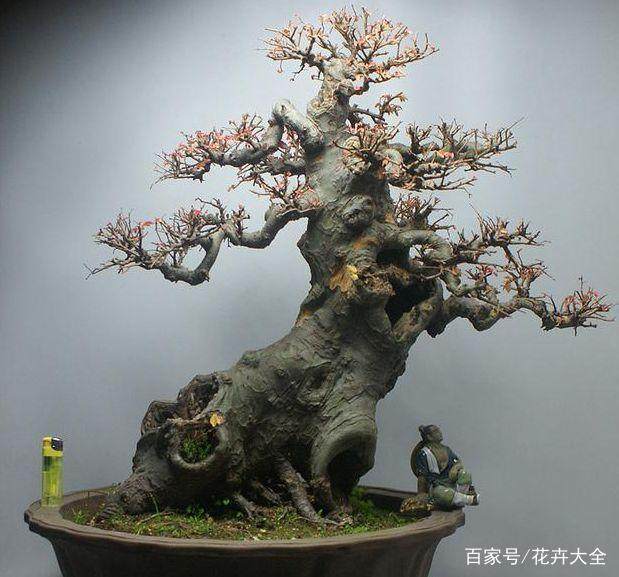
Elm is a very common deciduous tree in China. Because "elm" (yu) sounds the same as "surplus" (yu), carrying the meaning of abundance, elm often symbolizes prosperity. For this reason, elm bonsai is very popular, and whether among art collectors or ordinary people, many have a special fondness for it. New recommendations for elm bonsai: auspicious meaning, easy care!
Elm bonsai has an auspicious meaning and high ornamental value, but after excitedly buying one and bringing it home, you cannot just leave it unattended. To keep it alive and maintain its shape, care is necessary.
Elm likes light. Normally it should be placed in a spot with good ventilation and plenty of sunlight, such as a south-facing balcony, which is a good choice. During the dog days of summer, shade treatment is needed to prevent scorching sun exposure, while in winter it should be moved into a bright indoor location. If placed outdoors, the pot should be buried, and it should be placed in a wind-sheltered, sun-facing spot.
When the soil in the elm bonsai pot becomes dry, water it promptly. You can water around 10 a.m. or after 4 p.m., and water thoroughly each time. In summer's high temperatures and autumn's dry season, water frequently, once in the morning and once in the evening. In winter, water less or not at all. Note that in summer, do not spray water directly on the elm leaves; it is best to sprinkle water on the surrounding ground to increase humidity.
Clean the elm bonsai regularly. After being placed for a long time, it easily collects dust, so you can periodically spray water on the leaves to wash them, which also helps prevent pests and diseases to a certain extent. To prevent pests and diseases, it is also necessary to spray pesticide solution regularly, generally once every 2 months. Common pests of elm trees include aphids, elm oystershell scale, cottony cushion scale, red spider mites, and tortoise shell scale. You can spray dichlorvos or omethoate diluted in water for control.
As for fertilizing, from April to October, when the elm is growing, apply a light fertilizer about once every 15 days, generally organic fertilizer, or you can use cake fertilizer water. In winter, 10 days before moving the bonsai indoors, apply fertilizer once, and after placing it indoors, add some cake fertilizer crumbs.
Elm grows very fast. To maintain a beautiful shape, it needs frequent pruning during the growing season. In addition to cutting off crossing branches, dense fine branches, and other branches that affect the shape, the main task is leaf pruning. Because the best viewing time for an elm bonsai is when new leaves have just emerged, perform leaf pruning in August, then apply fertilizer water, and by September new leaves will grow again. In addition, before entering the winter dormant period, you can do a major pruning, cutting off useless branches and diseased or dead branches, and adjust the shape as needed.
Pruning of elm can be done all year round, but it is best not to prune on rainy days, as this easily causes sap flow and makes branches wither.
Generally, an elm bonsai needs to be repotted every 2 or 3 years, with root trimming, soil replacement, and addition of new base fertilizer, so that it can grow vigorously. However, when changing the soil, keep a portion of the old soil.