Thai banyan bonsai care tips, unique shapes that will open your eyes
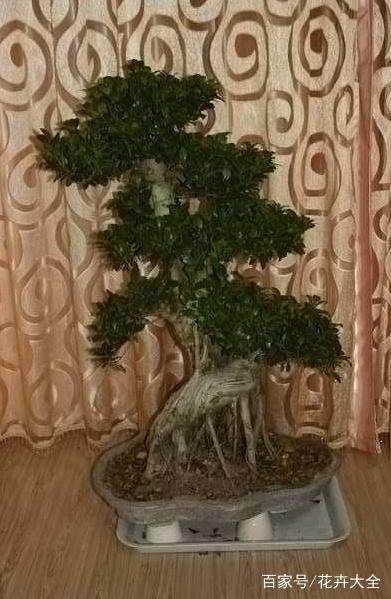
The Thai banyan (Ficus altissima) is a relatively common tree that stays green and full of life all year round. Its leaves have one obvious characteristic: compared with other banyan trees, its leaves appear smaller, but in color they appear even more deeply green and thick. Thai banyan bonsai care tips - you have surely never seen a bonsai shaped like this!
The Thai banyan is a plant that needs a lot of water, so it must be watered frequently, and the principle of watering is this: you should be able to see not only that the soil is dry but also that it is moist, so at a glance its pot is in a long-term moist state. Sunlight is also an indispensable condition for their growth, and they are relatively dependent on sunlight, so they must be placed in a spot that receives sunlight and has plenty of it; in addition, it must have a very good ventilation environment.
If you want them to grow well, then fertilizing is indispensable, but fertilizing must be decided according to their growth condition, otherwise it will only backfire. If it is in its vigorous growing season, then the frequency of fertilizing is about once a month; at other times it depends on the situation. It also has a very important characteristic: it is not cold-tolerant, and this is related to its place of origin, because Thailand is close to the equator and relatively warm, so especially in winter you must be sure to take good freeze-protection measures for it; pest damage can also occur, so pest prevention must be paid attention to at all times.
For soil selection, loose sandy soil is best, because this is good for root growth. If you want its roots to grow better, then you still need to pay attention to applying a certain amount of fertilizer; fertilizer with a relatively high phosphorus and potassium content suits it best. It is worth noting that ginseng ficus is generally cultivated by sowing seeds, because only in this way will its roots develop well.
Banyan trees dropping leaves is also a common phenomenon, so attention must also be paid to it in daily care. Generally, if the following situations occur, then it is very likely to drop leaves. The first is the timing chosen for repotting; most people will not choose to repot during its peak growing season, because this causes great damage to its roots, which leads to nutrients not being transported in time, so leaf drop is inevitable.
Second, it is related to its growing environment; it has very high requirements for external conditions such as water and sunlight, and if the requirements of its growing environment cannot be met, leaf drop will also occur, especially in winter; if cold protection is not paid attention to, then this situation is very likely to appear the following year, and may even lead to its death. Another possibility is that it is sick, has pest damage, and so on. But if this phenomenon occurs during its growing period, it is normal; this is one of its metabolic ways, and it also shows that it is growing well.