This fruit is sweeter when eaten with the peel than the flesh, has 5 times the vitamin C of lychee, and is rarely seen in the north
Many people love fruit, especially the sweet-and-sour, juicy kinds. They whet the appetite and supply vitamins, making them an essential part of the daily diet. Most fruits are peeled before eating; for example, mandarins, oranges, pomelos and bananas all need to be peeled. Some fruits can be eaten with the peel, such as apples, pears and nectarines, but their peels are fairly thin and bland, so particular people peel them before eating.
So is there any fruit that can be eaten with the peel, and whose peel is also sweet and tasty?
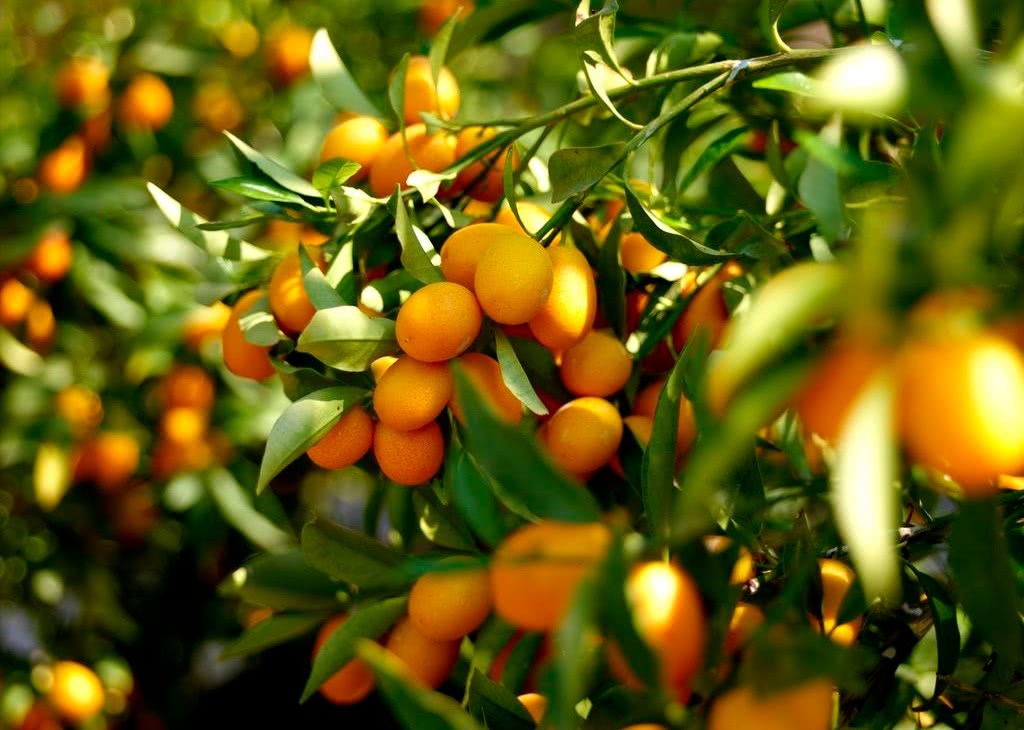
Such a fruit does exist. It is produced in Jiangxi, Fujian, Guangdong, Guangxi and other places. Most southerners have probably eaten it, while it is rarely seen in the north. This fruit looks like a mini mandarin; anyone who has eaten it will know it from a picture: it is the kumquat. Kumquat is also written as jinju, and its history is recorded in the "Treatise on Citrus":"The kumquat comes from Jiangxi, and northerners do not know it. It first reached the capital of Bian during the Jingyou era, and because Empress Wencheng was fond of it, its price became high and noble."In ancient China, the kumquat was already a well-known southern fruit. According to historical records, Empress Wencheng, the favored consort of Emperor Renzong of Song, was especially fond of kumquats, so their price in the capital was extremely high and ordinary people could not afford them.
Today the kumquat is a popular fruit, and the development of agricultural technology has improved its varieties. The peel of many kumquats can be eaten, and it tastes sweeter than the flesh. Moreover, the nutrition of the kumquat is basically in the peel; in particular, vitamin C accounts for 80%, while the flesh has less nutrition instead. The peel of the kumquat contains 200 mg of vitamin C (calculated per 100 g of peel). Taking lychee as an example, the flesh of lychee (100 g) contains 40 mg of vitamin C, so at the same weight, the vitamin C content of the kumquat is 5 times that of lychee.
Therefore, when people eat it, they eat it with the peel. Its peel is not only fragrant but also has a therapeutic and health-preserving effect. Regular consumption can promote fluid production and quench thirst, whet the appetite, aid digestion, relieve cough and resolve phlegm, and prevent colds. In folk practice it is often processed into licorice kumquat cakes, kumquat syrup and kumquat wine. When the stomach or throat feels uncomfortable, eating a kumquat product will make you feel much better.
In addition, when the kumquat bears fruit, the whole plant is golden and bright, and in folk tradition it is also called golden bullet. It is especially popular during the Spring Festival. Some farmers grow it as a dwarfed plant and make it into potted plants, selling them to flower and bird markets in the city, and they have also achieved good economic returns. Dear readers, have you ever eaten kumquats?