Analysis of the Causes of Fruit Cracking During the Growing and Harvesting Periods in Greenhouse Watermelon Cultivation
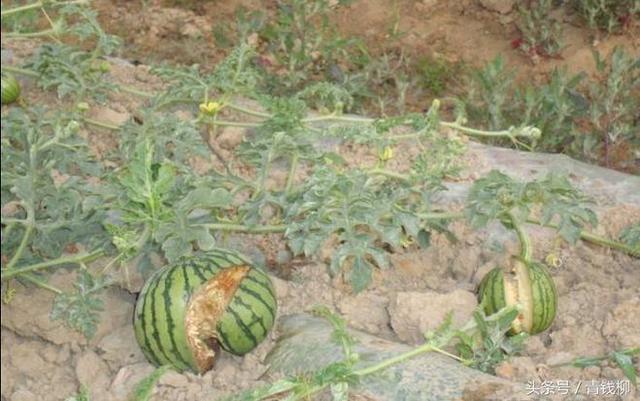
Causes of Fruit Cracking in Greenhouse Watermelon Cultivation: Fruit Cracking During the Field Production Period and the Harvest Period
The fruit cracking problem in greenhouse watermelons is likewise caused by abnormal development. In addition, abnormal development also includes deformed fruit, hollow heart, and sunscald. If abnormal temperature conditions occur, or if pollination is poor or uneven, and so on, all of these will have a certain impact on watermelon production. Therefore, a reasonable solution must be proposed to solve the problems that arise during the growing process, increase watermelon yield and economic benefits, and bring farmers substantial income.
I. Analysis of the Causes in Greenhouse Watermelons
First, after analyzing the causes of fruit cracking in greenhouse watermelons, the causes are as follows: variety. Among the varieties prone to fruit cracking, they mainly include those with crisp flesh, thin skin, and small fruit type. Another factor is climate. Under normal circumstances, the most suitable temperature for watermelon growth is 20-35°C, and the maximum temperature it can tolerate is 43°C. Within the suitable range, if the temperature keeps rising, the growth rate of the watermelon will also keep accelerating. If this lasts too long, it will cause fruit cracking. Prolonged low temperatures will cause the watermelon to grow slowly, causing a certain degree of suberization of the rind. When sudden weather changes occur, the watermelon's growth may become too rapid or too slow. Therefore, the temperature for growing watermelons must be suitable and stable; otherwise, it will cause adverse effects, either rapid expansion or abnormally slow development under low temperatures.
Next is water control. In the process of water control, because the water requirements of each stage cannot be reasonably grasped, attention should be paid to water demand during the vine extension stage, and sufficient water must be ensured. During the fruiting stage, water demand should be controlled. During the production period, fertilization should also be increased. If water management is unscientific, fruit cracking is likely to occur, causing serious economic losses to farmers. Properly maintaining soil moisture is very important.
Finally, unreasonable fertilization timing. Uneven fertilization ratios or excessive fertilizer amounts will both cause fruit cracking. If the fertilizer amount is too large, the watermelon roots will be damaged to a certain extent. If the fertilizer amount is too small, it will cause nutritional deficiency during the watermelon's production process. During fertilization, necessary water must be added, which can maintain a certain concentration of the soil solution; otherwise, fruit cracking will occur due to inconsistent growth rates.
II. Preventive Measures for Fruit Cracking in Watermelon Cultivation
(1) Select excellent varieties
In the process of growing watermelons, excellent varieties must be selected. This solves the fruit cracking problem from the root and is also the most important step. Choose varieties with strong disease resistance and resistance to fruit cracking. Among these varieties, the mainstream small-fruit-type melons include Xiaolan, Early Spring Red Jade, and so on; medium-fruit-type melon varieties mainly include Jingxin, Zaojia, Disease-Resistant Sumi, and so on. After clearly investigating the local soil conditions, choose varieties suitable for local planting from the dazzling array of varieties. Only in this way can high watermelon yields be ensured.
(2) Scientific pruning and fruit setting
In the pruning process, if it is a small watermelon variety, it is necessary to appropriately keep more vines to reduce the transport of nutrients to the fruit and effectively prevent fruit cracking. If fruit cracking occurs, for relatively well-growing plants, 3-4 leaves can be kept before the fruit. When necessary, a short section should be split open along the vine to disperse the concentrated transport of nutrients. On the vigorously growing fruiting parts, part of the leaves need to be removed to avoid nutrient accumulation, effectively avoiding the fruit cracking problem caused by excessively fast growth. In the fruit setting process, young fruits with a small navel and regular shape must be selected; otherwise, fruit cracking is likely to occur from the navel.
(3) Scientific management and reasonable fertilization
In the management process, management methods suitable for watermelons must be selected. When necessary, reasonable fertilization should be carried out. The base fertilizer must be high quality, mainly ternary compound fertilizer, and increasing the application of potassium fertilizer can effectively improve the toughness of the rind. At the same time, avoid the soil being too dry during the fruit swelling stage, so watering must be balanced, avoiding sudden increases or sudden increases in water volume. Water supply must be stopped one week before harvest to prevent root damage from causing unnecessary effects on the watermelon. In the management process, necessary pest and disease prevention work must be carried out to effectively ensure watermelon quality. The harvest time is best chosen in the afternoon to avoid vibration or bumping, including during harvesting and packaging. They must be handled gently, ensuring a stable placement position and ventilation in the storage space, to avoid watermelon rot.