Detailed Explanation of High-Efficiency Sesame Cultivation Techniques: Master the Key Planting Points in One Article
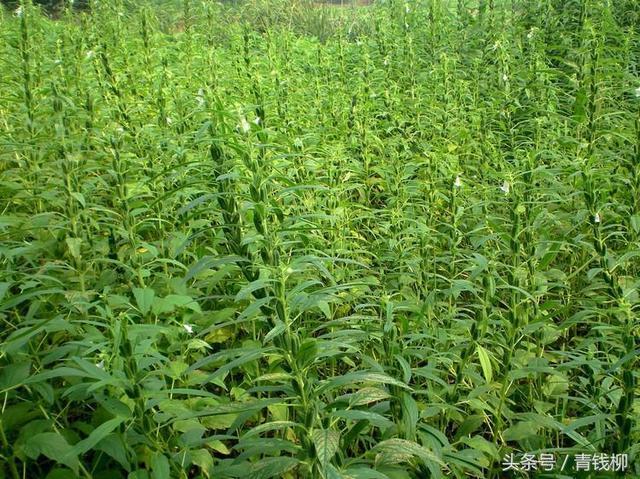
High-Efficiency Cultivation Techniques for Sesame
Sesame belongs to the Pedaliaceae family and is the seed of the sesame plant. Although its close relatives appear in Africa, the natural origin of the species remains unknown. It is found throughout the tropical regions of the world. Sesame is an outstanding member of China's four major edible oil crops and is one of the country's main oil crops. Sesame products have high application value. Its seeds have an oil content of up to 61%. Since ancient times, China has produced many famous specialty foods and delicious dishes made with sesame and sesame oil, which have long been renowned throughout the world.
Sesame contains large amounts of fat and protein, as well as carbohydrates, vitamin A, vitamin E, lecithin, calcium, iron, magnesium and other nutrients; the linoleic acid in sesame helps regulate cholesterol.
(1) Seed selection and soaking: In early April, choose a sunny day and after sunrise spread the sesame seeds in a single layer under the sun to dry, then bring them in before sunset; continue for 2-3 days, turning them frequently during drying and removing damaged seeds and seeds with pest damage; first winnow the dried sesame seeds 2 times to remove most of the shriveled grains, then weigh the selected seeds and place them in clean water, stir, and let stand for 1 hour, stirring once every half hour; finally scoop out the floating seeds, place the plump seeds that sank to the bottom in a plastic container, add 30°C warm water and soak the seeds for 12-18 hours, adjusting the water temperature and stirring once every 3 hours to improve the germination rate and the uniformity of sprouting;
(2) Seed disinfection treatment: Scoop out the seeds soaked in (1), place them in a sieve basket to drain for 30 minutes, then dress the seeds with 50% carbendazim wettable powder (the powder amount is 5% of the dry seed weight; strive for even seed dressing) and dry them;
(3) Preparation of nutritional pots: Mix AM microbial fertilizer, zinc sulfate, manganese sulfate and ternary compound fertilizer (N:P:K=16:16:16) organic fertilizer uniformly in a ratio of 1:2:2:30:1000 to make a formula fertilizer, then mix the formula fertilizer with soil at 1:50 to make the nutritional pot substrate; use a pot-making machine with a mouth diameter of 8 cm and a depth of 12 cm to make pots from the nutritional pot substrate;
(4) Germination promotion and potting: Put the seeds treated in (2) into a cloth bag and place it in a straw pile, maintain at 25°C for germination promotion, turning once every 6-8 hours; when the seed coat begins to split and show white, begin potting and sowing; when sowing, place 1 seed per pot, and place the nutritional pots in a greenhouse or large plastic shed in nutritional pots containing the formula fertilizer; when the seedlings in the nutritional pots grow 2 true leaves, they can be transplanted to the field; the formula fertilizer nutritional pots are rich in phosphorus, calcium and potassium, providing a superior microhabitat for the growth of sesame seedlings, promoting robust growth, improving disease resistance, reducing the occurrence of bacterial wilt and other pests and diseases, and also allowing the cultivation time to be appropriately advanced;
(5) Keep the soil weakly alkaline: The sesame planting site should maintain the soil as weakly alkaline. When the soil pH value is lower than 7, apply alkaline substances such as lime so that the soil pH value is greater than 7 and weakly alkaline, preventing the occurrence of sesame bacterial wilt and other diseases that are easily triggered when the soil is acidic;
(6) Field treatment: In early to mid-April, apply 2000 kg of organic fertilizer, 10 kg of urea and 10 kg of diammonium phosphate per mu, immediately deep plow and level, then build ridges 30 cm wide and 10 cm high, and dig drainage ditches 30 cm wide and 30-35 cm deep between the ridges;
(7) Compound planting: When planting sesame, dig a hole 20 cm deep every 80 cm in the center of the ridge, spread a layer of AM microbial fertilizer substrate in the hole, plant the sesame seedling nutritional pot in the hole and water thoroughly, but be careful to keep the seedling base slightly higher than the surrounding area; plant 1-2 hills of the oil crop tiger nut between the sesame plants on the ridge, and sow 2 rows of early-maturing spring soybean on both sides of the drainage ditch between the sesame rows; when the pods can be used as vegetables, pick them in time and pull up the soybean vines and bury them at the bottom of the drainage ditch as green manure, then loosen the soil and sow summer soybean; when the summer soybean pods can be used as vegetables, pick them for sale, and use the stems and vines as green manure; when sowing spring and summer soybean, spray and dress the seeds with ammonium molybdate solution, with the amount of ammonium molybdate being 2% of the dry weight of the soybean seeds; after harvesting tiger nuts, the stems and vines are also used as green manure; after the autumn harvest, apply fertilizer, prepare the land, and plant overwintering vegetables such as small radish, broad bean and Chinese cabbage; use broad bean vines as green manure; after harvesting small radish, plant the oil plant henbane; in the following spring, plant sesame in the position of this year's drainage ditch, alternating in sequence; cultivate fertilizer-loving and drought-tolerant plants such as sesame, tiger nut and henbane on high ridges, and plant fertilizer-loving and water-loving soybean beside the drainage ditches between rows, fully utilizing time and space to produce enormous economic and ecological benefits; the sale of tiger nut, henbane seeds, vegetable pods, small radish, broad bean and Chinese cabbage can greatly increase the annual per-mu benefit; after AM fungi symbiotically associate with plant roots, they not only increase the plant's ability to absorb nutrients; multiple green manures ferment and decompose underground to form humus and supply various nutrient elements to balance nutrition, improve the plant's disease resistance, enrich the soil microbial community, and reduce pathogenic bacteria;
(8) Promoting fruit set: In addition to topdressing nitrogen, phosphorus and potassium fertilizer into the soil when the first main spike of sesame begins to bud, also choose a sunny day when the full flowering stage is about to begin and spray 0.1-0.2% boric acid, manganese sulfate and zinc sulfate solution, spraying once every 5-8 days for a total of 2-3 sprays, to improve the plant's disease tolerance and promote pollen development and pollination.