Summer, a critical period for roses: 5 tips you must take seriously
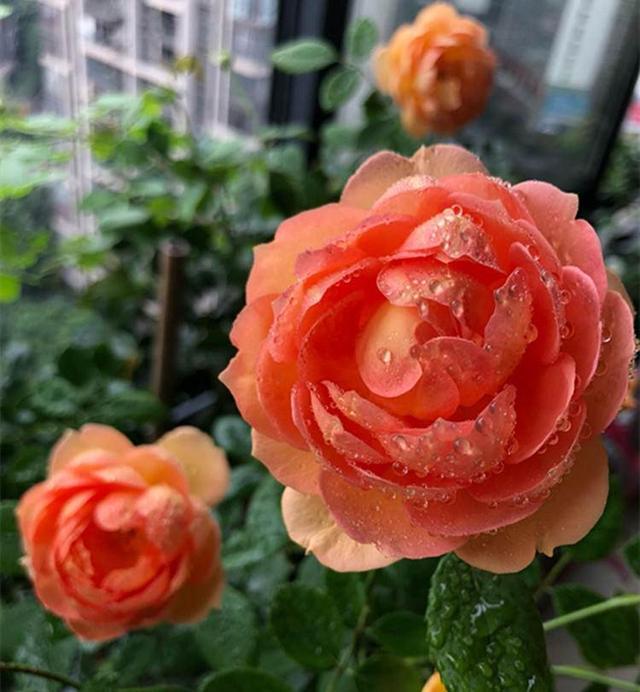
Summer is a very important period for flowers and plants. If managed well, autumn will be another peak blooming season. And for roses, summer is an extremely critical period. Fellow gardeners, the 5 rose-growing tips below all deserve your attention.
1. Observe more
In summer, the color of new shoots and leaves on roses can reflect the plant's health. Usually pests and diseases also first show up on new shoots and leaves. So observe your roses every day. If they seem lacking in vigor, adjust your fertilizing method. In summer, using an organic liquid fertilizer specially made for roses, diluted 500 times with water and poured at the roots, works best. If you find pests or diseases, apply treatment promptly, and you will be able to grow healthy roses.
2. Use different management methods according to type
Fellow gardeners, during this high-temperature period, roses need to be divided into 4 types according to their growth vigor and disease resistance. The 2nd type of rose is the strongest and easiest to grow, while the 4th type consists of the most difficult and weakest rose varieties to cultivate.
We need to change our management methods (including water and fertilizer control and pesticide use) according to the characteristics of each type, so that we can match the rose plant's constitution and find the most suitable growing method.
3. Prune appropriately according to plant form classification
Rose plant forms are usually upright, shrub and climbing types. When pruning roses in summer, we should prune and train them according to the characteristics of each plant form, so as to give full play to the beauty of the form itself and effectively promote blooming.
4. Pay attention to the leaves
Roses grow healthily through photosynthesis in their leaves. Conversely, if leaves drop due to disease or lack of water, or nutrients are insufficient, the plant's nutrient supply will be weakened. In summer, pay special attention to preventing leaf drop caused by black spot disease.
5. Do not use too much fertilizer or water
In summer, some gardeners, eager to see their roses bloom, rush things and apply too much fertilizer, which may weaken the plant and instead let pests and diseases take advantage; overwatering can also easily suffocate the roots and cause rot. When growing roses in summer, you must hold back your excessive love and care, and quietly cultivate and watch over them with patience.
In addition, when the rose plant is still relatively small, be careful to avoid consuming too many nutrients through heavy blooming; rose seedlings under 3 years old should first build a solid foundation for the plant. Usually, using an organic nutrient solution, diluted 500 times, to supplement the rose's nutrition about every 7 days is best.