Roses: Whether Summer Pruning or Winter Pruning, Master These 3 Killer Tips
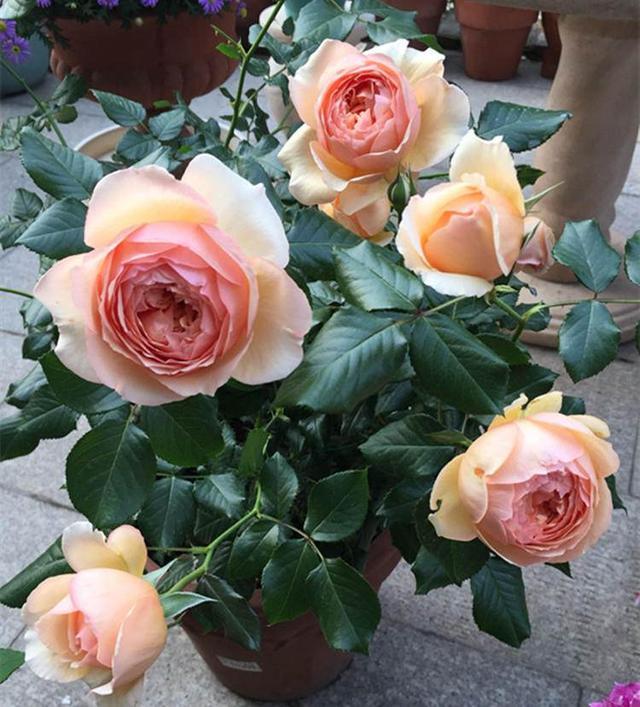
When it comes to pruning roses, you probably already know a thing or two by now. Roses are especially tolerant of pruning, and the more you prune, the fuller the plant shape becomes and the more flowers it produces. But pruning roses varies by variety and by season, which can seem quite complicated. In fact, as long as you master these 3 "killer tips," you can prune however you like.
The First "Killer Tip": Prune According to Flower Size
Gardening friends, when it comes to pruning roses, you need to adjust according to the variety. Generally speaking, for large-flowered roses, if the branches are not thick enough, they cannot produce large enough flowers or have no flower buds; conversely, for small-flowered varieties, even very thin branches can bloom normally. So when pruning, you need to change the thickness standard for the branches you cut according to the size of the rose flowers.
The specific operational standards are: 1. For large-flowered roses, prune deeply at the point where the branch is pencil-thick (8-10mm in diameter); 2. For medium-flowered roses, cut to where the branch is the thickness of a disposable chopstick (5-6mm in diameter); 3. For small-flowered roses, prune lightly at a point slightly thicker than a toothpick (3-4mm in diameter).
One thing gardening friends should note: use sharp-bladed pruning shears and make a decisive horizontal cut. Note that if you cut at an angle, too steep an angle means the cut surface is too large and dries out easily, causing the rose to fail to sprout strong buds. So the angle of the slant should generally be about 45°.
The Second "Killer Tip": Make a Horizontal Flat Cut 5-10mm Above a Bud
Make a decisive horizontal flat cut 5-10mm above a rose bud (the base of a former leaf stalk). If you leave too much above the bud, that portion will dry out. There will be a bud at a position slightly above the leaf stalk scar left after leaf drop, so when you cannot see the bud clearly, you can look for the scar left by a fallen leaf.
After pruning, wait for the cut to heal, then fertilize the rose promptly to replenish the nutrients needed for growth. Gardening friends are recommended to use a liquid rose-specific fertilizer, generally diluted 500 times with water, and water the rose once a week, so that nitrogen, phosphorus, and potassium will be balanced, and the rose will grow rapidly and bloom abundantly and large.
The Third "Killer Tip": Judge the Direction of the Bud and Reserve a Bud Facing the Right Direction According to the Plant Shape You Want
If gardening friends cut above an outward-facing rose bud (outer bud), the new branch will extend outward; if you cut above an inward-facing bud (inner bud), the new branch will extend inward. So gardening friends need to think about the overall look and use pruning to create their ideal plant shape.
Gardening friends, whether it is summer pruning or winter pruning, mastering the above 3 "killer tips" will not only help you create a beautiful rose plant shape, but also produce brilliant blooms.