Hydrangeas do not throw a tantrum in June, staying calm even in changeable weather
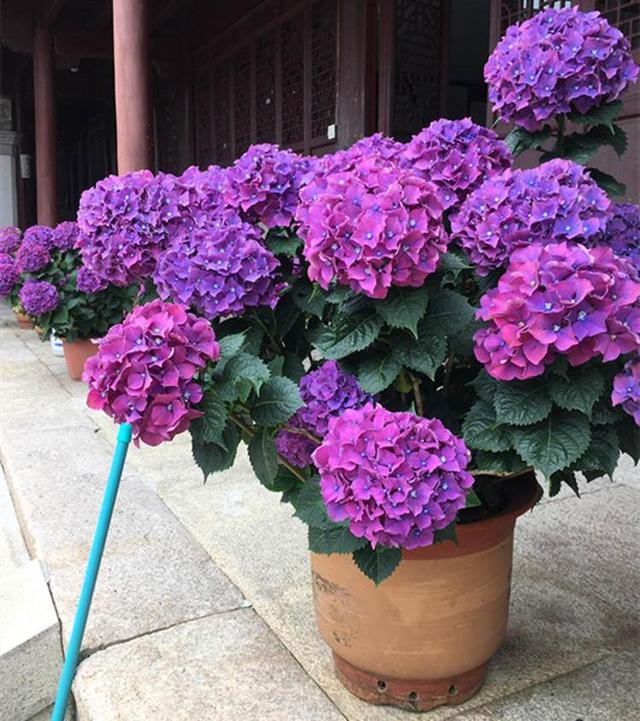
June is the peak blooming season for hydrangeas. From early June, hydrangea flowers begin to bloom, and after mid-June, hydrangeas gradually burst into mass bloom. In June, there are many cloudy days and heavy rain, which is not favorable for the growth of many plants. Only hydrangeas, in such changeable weather, do not "throw a tantrum" at all, and their blooms remain full of vitality.
June, as the peak blooming season for hydrangeas, has 2 key aspects of care: one is post-bloom pruning - have gardening friends done their post-bloom pruning? The other is fertilizing - have gardening friends all given their hydrangeas post-bloom topdressing?
June is the peak blooming season for hydrangeas, and various hydrangea flowers will bloom in succession. Enjoy the beautiful hydrangeas in parks and botanical gardens, and take a look together at how to care for hydrangeas well in June.
In June, the rainy and high-temperature season, hydrangea leaves become especially moist after absorbing large amounts of water, and the flowers also become huge and full, presenting a truly ball-like shape. Compared with the greenhouse hydrangeas from the earlier period, hydrangeas blooming in their natural flowering season have an irreplaceable majestic beauty.
As in May, in this high-temperature and rainy season, hydrangeas will suffer from pests and diseases such as aphids and red spider mites. Gardening friends growing them indoors need to remember to spray them with insecticide in time. Because red spider mites appear on the undersides of leaves, when spraying pesticide, spray both the front and back sides.
In addition, potted hydrangeas can be moved to a cool indoor spot with good ventilation while in bloom, to avoid gray mold. After the flowers fade, promptly prune the spent flowers and move them outdoors for care.
Hydrangea leaves are large and numerous, overlapping each other to form umbrella-like cover, which prevents rain from reaching the flowerpot. Even on rainy days, observe frequently, and water to replenish as soon as water deficiency is found.
Fertilizing during and after the flowering period is very important. For each pot, apply organic liquid fertilizer, diluted 500 times with water, and water the roots once a week. For ground-planted hydrangeas, if enough winter fertilizer was not applied, dig pits around the plant and bury fertilizer in them.
As temperatures rise in June, hydrangea flowers are also prone to fading after blooming brilliantly. Faded flowers left on the branches will grow moldy due to high temperature and high humidity, so spent flowers should be pruned in time.