Wild vegetables eaten regularly keep the body well and have high medicinal value; they can fight tumors, prevent cancer and cure colds.
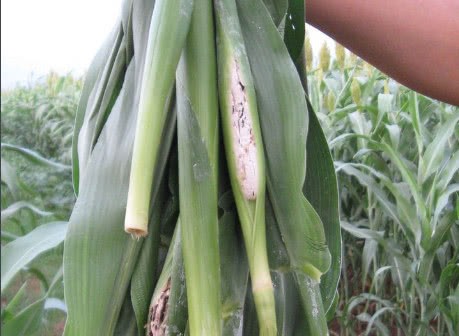
Wumi, also known as sorghum smut fungus, has relatively high nutritional value. Sorghum wumi has very high nutritional and medicinal value, as it contains abundant protein, carbohydrates, minerals, vitamins and other nutrients. In particular, the 8 essential amino acids for the human body, fungal polysaccharides and dietary fiber; wumi can raise the body's blood-forming capacity, especially the level of white blood cells, and can fight tumors, prevent cancer and serve as adjuvant treatment for cancer patients. The polysaccharides, polypeptides and other compounds contained in wumi have a clear anti-aging effect. It is relatively high in the minerals potassium, iron and selenium and in vitamins A, B1, B2, B6, C and others, making it an ideal natural health food.
Its real name is "Romanesco broccoli," and it is very rich in nutrients. It is measured to contain 5 times the protein of tomato and 3.5 times that of cauliflower, and its vitamin A content is 46 times that of cauliflower, so in the West it has long enjoyed the reputation of "new life food." It has the effects of dispelling wind and clearing heat, invigorating blood and dispersing stasis, and draining dampness, and is used for wind-heat colds, damp-heat jaundice and scanty, difficult urination. Applied externally, it treats sores, carbuncles and swellings, and has a remarkable effect on venomous snake bites.
Asparagus bean has a rich, fragrant aroma and has effects such as clearing heat and detoxifying and draining dampness to aid digestion, and can treat colds, constipation and other conditions. Type specimen origin: Pacific Grove, California, United States. In terms of nutritional composition, every 100 g of fresh asparagus bean contains 1.4 g of protein, 220 mg of carotene, 0.01 mg of vitamin B1, 0.9 mg of niacin and 2 mg of vitamin C, making it very suitable for the elderly and young children to eat. Especially in medicine, it has the functions of warming the stomach, soothing the chest, promoting urination and benefiting the kidneys. Eating asparagus bean regularly has effects in treating heart disease, high blood pressure and arteriosclerosis, as well as anti-cancer effects.