Orchids enter their golden period in summer, and the 3 prevention tasks must not be neglected
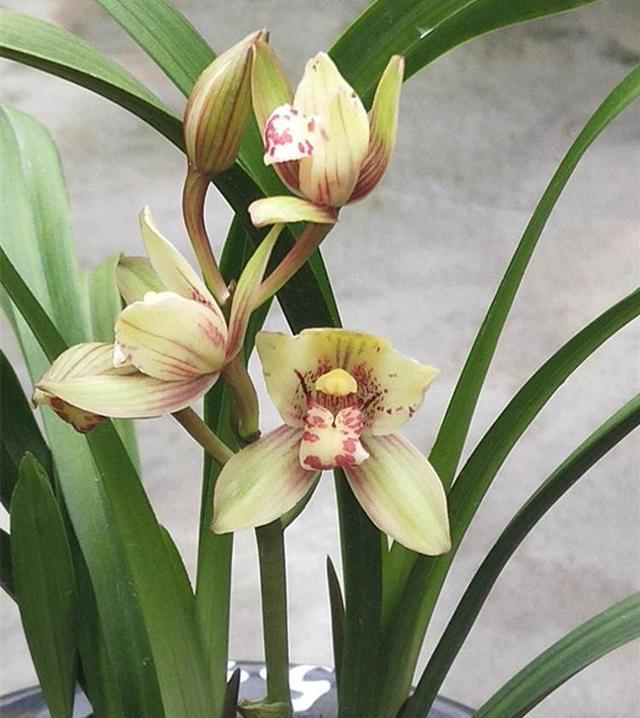
Orchids, with their verdant evergreen leaves and delicate, captivating fragrance, are courtyard and indoor flowers that gardening enthusiasts love to grow. But loving orchids means knowing how to grow them, and growing orchids means knowing how to manage them. If you grow orchids without knowing how to manage them, then in the end you will only have spent money to buy heartache. Summer is the golden period for orchids to root, grow leaves and send up new shoots. How can you make the orchids in their pots grow strong and healthy? Here are 3 summer management methods for gardening enthusiasts.
1. Prevent fertilizer damage
Orchids originally grow in deep mountain forests and have no demands for fertilizer. But after being transplanted into pots, enthusiasts worry so much that their orchids will become thin that they fertilize frequently, and as a result they kill the orchids. The symptoms are blackened leaf tips that extend day by day until the entire plant withers and dies. Therefore, orchid growers, especially beginners, should not be eager to fertilize; not fertilizing can preserve the orchid's roots and foundation, whereas improper fertilizing can cause many problems for orchids.
It is generally recommended that enthusiasts fertilize orchids in summer with a liquid fertilizer specially made for orchids, one rich in nitrogen, phosphorus and potassium; simply dilute it 500 times with water and water the orchid roots with it. A frequency of about every 7 days is sufficient.
2. Prevent water damage
Orchids originally grow in damp, shady places that tend toward dryness, and their need for water is minimal. But after being transplanted into pots, especially when grown on balconies or indoors, the plants are separated from the ground and lose the moisture supplied by the soil surface, so watering becomes necessary.
However, some enthusiasts, afraid that their orchids will dry out, water without restraint, resulting in waterlogged potting soil that rots the roots, decays the stems and kills the seedlings. The symptoms are that emerging seedlings lose color, become soft and die; the plant's tender leaves - the new center leaves - wither, and the growing point rots, threatening the survival of the entire orchid. Therefore, watering should be based on how moist the potting soil is, varying from pot to pot. In summer and autumn, watering and spraying orchids with rainwater gives the best results.
2. Prevent pest damage
Orchids originally grow in a pure, dust-free natural environment and are not bothered by pests. But after being transplanted into pots, the environment changes, and they cannot avoid attacks by plant pests such as scale insects, red spider mites and flower lice. These pests cling to the stems and leaves and suck out nutrients, causing white spots on orchid leaves or entire patches and sections to scorch black; in severe cases, the orchid plant grows weaker day by day, the seedlings do not grow after emerging, and the plant eventually dies because nutrients cannot be supplied for a long time.
Methods to prevent pest damage: you can apply and spray diluted dimethoate emulsion or beer; both methods are highly effective at eliminating pests. According to the growth patterns of orchids, orchids sprout in spring, and orchid pest prevention is carried out in summer and autumn.
In summer and autumn, temperatures are high; improper fertilizing leads to fermentation, rising temperatures and damage; improper watering leads to waterlogging, heavy moisture and damage; and failure to eliminate pests in time leads to increased pest density and damage. Therefore, orchid enthusiasts should use the "3 preventions" to help orchids get through summer and autumn, so as to realize the wish of warm spring days and blooming flowers next year.
Image from gardening enthusiast: Lan Yuan Xiao Cai