Why is white tea so popular? Because its own value is extremely high
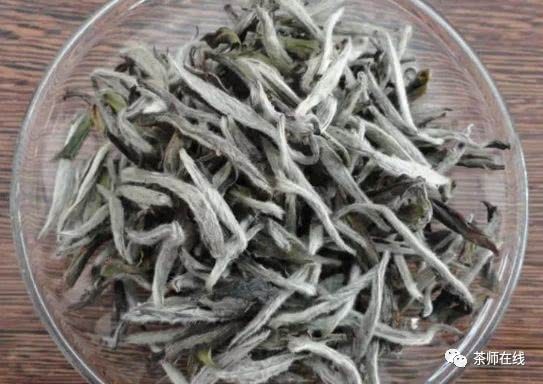
Tea: people enter among the plants and trees, blending into the mountains and waters
Understanding tea, tasting tea, benefiting from tea
Compared with other types of tea, white tea has its own distinctive functional components and health mechanisms. Traditional Chinese medicine pharmacology has proven that white tea is cold and cooling in nature, clears heat and reduces fire, relieves summer heat and detoxifies, and has adjunctive therapeutic effects.
Tea polyphenols
Their chemical properties are quite active, yet the white tea processing process neither destroys nor promotes enzyme activity. Withering causes the buds and leaves to lose water, leading to damage to the cell membranes of the fresh leaves. Polyphenolic compounds come into contact with polyphenol oxidase, and catechins naturally and slowly oxidize, thereby forming the unique quality of white tea.
Modern research shows that tea polyphenols have multiple health benefits such as antioxidant, lipid-lowering, antibacterial, blood pressure-lowering, blood lipid-lowering, and anti-aging effects.
Caffeine
White tea contains relatively abundant caffeine, which has pharmacological and physiological effects such as dilating blood vessels, promoting blood circulation, exciting the central nervous system, and preventing high blood pressure, headaches, myocardial infarction, and more. It is an important source of medicinal caffeine.
Caffeine itself has an antioxidant effect, and its chemical properties, relative to tea polyphenols, have a synergistic effect on the human body's cancer prevention and anti-cancer activity.
Theanine
White tea has a high amino acid content. The most important component of tea amino acids is theanine. Theanine has functions such as improving the immune system, anti-tumor effects, controlling excessive anxiety, improving learning efficiency, increasing the sharpness of the body's nerves, and improving attention.
Tea pigments
During the processing of white tea, tea polyphenols undergo natural and slow oxidation to form some tea pigment substances. In particular, during the processing of new-process white tea, rolling is carried out, and the degree of oxidation of tea polyphenols increases, forming relatively abundant tea pigment substances. In white tea, during the process of being stored for many years to become aged white tea, substances such as theaflavins and thearubigins also increase.
Tea pigments contain large amounts of active factors such as active phenolic hydroxyl groups, have extremely strong free radical scavenging and antioxidant effects, and have multiple health benefits such as preventing cardiovascular and cerebrovascular diseases, protecting against ultraviolet radiation, antioxidant effects, resisting atherosclerosis, anti-caries and tooth protection, and antibacterial and antiviral effects.
Foreign research findings on the health benefits of white tea
Research by Dr. Bukowski of Harvard Medical School in the United States concluded that drinking white tea can increase the secretion of interferon by human blood immune cells by 5 times.
The latest research by Dr. Milton Schiffenbauer of Pace University in New York, United States, shows that white tea extract can prevent the growth of bacteria that cause staphylococcal infection, streptococcal infection, pneumonia, and more.
The research conclusion of American biochemist Dr. Lodeck is that white tea contains more anti-cancer substances than other types of tea, can continuously inhibit and shrink liver cancer tumors, and improve immune function.
Domestic research findings on the health benefits of white tea
In 1995, the China National Native Produce and Animal By-Products Fujian Tea Import and Export Company provided white tea Bai Mudan samples, and the Fujian Academy of Traditional Chinese Medicine conducted experiments on the health functions of Fujian white tea respectively. The results obtained are as follows:
"Analysis of the anti-lipid peroxidation effect of white tea on CIR mice" shows that white tea can very significantly reduce the level of lipid peroxides in liver and brain tissues, and has a good antioxidant effect.
"The effect of white tea Bai Mudan on body weight, food consumption and body fat in mice" speculates that humans drinking white tea infusion at an appropriate concentration is beneficial for reducing body fat and losing weight.
"Study on white tea reducing serum total cholesterol and triglycerides in mice" results show that white tea infusion can significantly reduce serum total cholesterol and triglycerides without affecting body weight, especially at 1% concentration, and is beneficial for preventing and treating hyperlipidemia.
"Study on the effect of white tea Bai Mudan against carbon tetrachloride poisoning on serum alanine aminotransferase activity in mice" shows that regular drinking of white tea significantly increases the body's liver-protecting function.
The research results of Dr. Yuan Dishun of the China White Tea Research Institute of Fujian Agriculture and Forestry University show that white tea has a good liver-protecting effect and can significantly reduce transaminase and malondialdehyde levels in mice injured by carbon tetrachloride.
Research by Researcher Chen Yuchun of the Fujian Academy of Traditional Chinese Medicine shows that white tea can significantly increase the serum EPO level of experimental mice, plays a key role in cell production, can extend cell lifespan, and increase RNA and protein synthesis.
In 2011, led by Professor Liu Zhonghua, director of the National Research Center of Engineering Technology for Utilization of Functional Ingredients from Botanicals and professor at Hunan Agricultural University, integrating the technical resources and scientific research teams of five famous institutions - the National Research Center of Engineering Technology for Utilization of Functional Ingredients from Botanicals, the Modernization Research Center of Traditional Chinese Medicine of Tsinghua University, the Aging Medical Research Center of Peking University, the Key Laboratory of Tea Science of the Ministry of Education, and the Sub-health Intervention Technology Laboratory of the National Administration of Traditional Chinese Medicine - with Fuding white tea Baihao Yinzhen and Bai Mudan as the research subjects, after more than a year and dozens of rigorous scientific analyses and demonstrations, scientific research results proved that Fuding white tea has significant health-preserving effects such as beauty and anti-aging, anti-inflammatory and heat-clearing, lipid-lowering and weight loss, blood sugar regulation, uric acid regulation, liver protection, and virus resistance.
In June and August 2012, at the "Fuding White Tea Health-Preserving Efficacy Research Results Release Conference" held respectively at the Beijing International Tea Expo and in Hangzhou, Professor Liu Zhonghua announced this important scientific research result to the attendees. This was a systematic study and release of results on the health benefits of white tea by a national-level authoritative scientific research institution.
Researcher Han Chi, chairman of the Food Toxicology Professional Committee of the Chinese Society of Toxicology and researcher at the Institute of Food and Nutrition of the Chinese Center for Disease Control and Prevention, mentioned in her completed project "Preventive Effects of Tea Drinking on Cancer, Cardiovascular Diseases and Diabetes": in the research on the protective effect of Fuding white tea on cardiovascular diseases, systematic and in-depth research was conducted from three levels: in vitro experiments, whole animal experiments, and human trials.
These studies by Han Chi all reached the international advanced level. Moreover, on this basis, two population intervention trials were conducted. The results showed that drinking Fuding white tea has the effects of reducing cardiovascular disease risk factors in patients, lowering serum triglyceride and total cholesterol levels in people with abnormal lipid metabolism, slowing thrombus formation, reducing DNA oxidative damage, and reducing lipid peroxidation damage, thereby helping to maintain the normal function of the cardiovascular system and reduce the risk of cardiovascular and cerebrovascular diseases. This research filled the gap in epidemiological data at home and abroad regarding the protective effect of white tea on the cardiovascular system.
In terms of adjunctive blood sugar lowering, most domestic and foreign studies are animal experiments, and most use tea extracts (such as tea polysaccharides and tea polyphenols) as research subjects. No studies have been seen in which tea infusion was directly given to experimental animals for testing.
Han Chi's research used drinking tea infusion as the route of administration, which is consistent with the route of human exposure. The adjunctive blood sugar-lowering effect of Fuding white tea was studied from both animal and human trials. A direct tea-drinking method was adopted. By establishing a hyperglycemic animal model, it was confirmed that Fuding white tea can lower fasting blood glucose and increase glucose tolerance in hyperglycemic animals; through population intervention trials, it was confirmed that Fuding white tea can significantly improve the clinical symptoms of patients with type II diabetes, lower fasting blood glucose and 2-hour postprandial blood glucose, and has a certain promoting effect on insulin secretion in patients. That is, both animal experiments and human trials show that white tea has a certain adjunctive blood sugar-lowering effect.
The research obtained results showing that Fuding white tea has an adjunctive blood sugar-lowering effect, which is of great significance for further population intervention research. This research result won the second prize of the 2011 Science and Technology Award of the Chinese Preventive Medicine Association.
The affection and love of tea industry experts for white tea
Tea industry luminary Zhang Tianfu (who lived to 108) spoke at length about his affection and love for white tea and his various experiences of enjoying health by drinking white tea at the 2010 Fuzhou tea tasting event where a hundred journalists discussed white tea. He said with a smile: "When guests come to my home to drink tea, I brew 10 cups of tea for them. Among the ten cups, the first cup is Baihao Yinzhen. I invite experts from home and abroad, and whenever anyone comes to my home to drink tea, I have also given many gifts, but if I brew ten cups of tea to treat people, the first cup is Baihao Yinzhen."
Researcher Luo Shaojun once repeatedly called for attention to the development of white tea. She said: "Not only the United States, but also the Stockholm Medical Research Center in Sweden has shown that white tea has very strong sterilizing and free radical scavenging effects. Thirty years ago I strongly promoted white tea, and today I must call for it even more loudly." "White tea has been regarded in Fujian tea regions and North China as a good medicine with effects such as clearing heat and detoxifying, anti-inflammatory, and relieving summer heat, so the ancients said it 'has the same function as rhinoceros horn.' In fact, many of white tea's health-preserving effects are like those of wild ginseng, and it can also improve the human body's immune function. White tea stored for 5-15 years has better effects. Its effective functional components, such as flavonoids, theanine, tea polysaccharides, and theophylline, are present in higher amounts, and its aroma is unique, with rose fragrance especially evident, so many people at home and abroad like to collect white tea."
Veteran tea expert Chen Jinshui, former secretary-general of the Fujian Provincial Tea Association, brought out at the Fuzhou tea tasting event where a hundred journalists discussed white tea a Baihao Yinzhen that won "National Famous Tea" at the first national famous tea evaluation meeting held by the Ministry of Commerce in 1982. This was a bottle of Baihao Yinzhen that had been preserved for 30 years. The silver needles in the bottle were still covered with white pekoe, each bud plump and strong, with no deterioration at all. Recalling the scene at the time, he said: "Since the late Qing Dynasty, Beijing Tongrentang purchased 50 jin of aged white tea every year for use in medicine. In the era of the planned economy, the state had to allocate white tea from Fujian tea departments to the National Pharmaceutical Corporation every year to make medicinal guides (compatibility), formulated into very high-grade medicines."
Dr. Wang Yuefei of the Department of Tea Science at Zhejiang University also holds the same view. He said: "White tea is a lightly fermented tea, and its processing technique is natural, so tea polyphenols are relatively less lost and more effective components are retained. The main component in tea that can resist radiation is tea polyphenols. Fuding white tea has a relatively high tea polyphenol content. Drinking 2-3 cups of white tea a day can achieve an anti-radiation effect. Therefore, in 2011, after the March 11 earthquake in Japan, the Fuding municipal government and tea enterprises urgently allocated a batch of Fuding white tea and sent it to Tokyo by international express delivery, gifting Fuding white tea, which has health benefits such as radiation protection and anti-radiation, to our country's embassy in Japan, which was holding fast at the front line of earthquake relief. After receiving this batch of tea, our country's embassy in Japan said this was the motherland's people sending 'timely help' at a critical moment."
Merit-minded sharing, joyful giving, forwarding