Rose aphids reproduce quickly, so timely treatment is needed
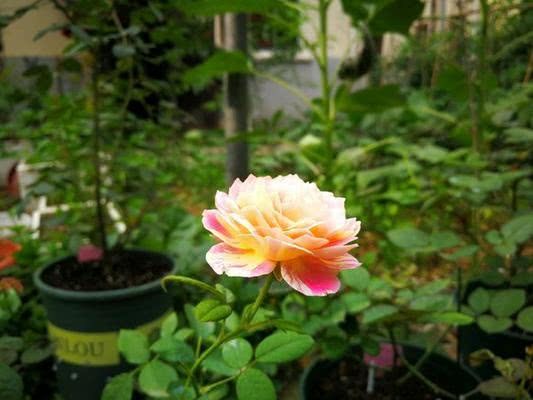
The aphid pest is terrifying, and many flower growers even jokingly call it the most formidable pest in the world (please calculate the size of everyone's psychological shadow)! The reason for this name is mainly that its reproduction speed is truly astonishing! Many flower growers say that the day before everything was fine, yet the very next day they discovered that their rose, which had been so healthy and beautiful, had aphids!
Aphids not only reproduce quickly, but their destructive power is also shocking. Aphids are indeed tenacious in life and have explosive destructive power! Moreover, their numbers can double every three to four days on average! By the time the pesticide is bought, the infestation is already out of control.
First, here is an emergency rescue method: use common household dishwashing liquid (which has a certain sterilizing effect), and spray the entire plant at a ratio of 1:100. It is impossible to eliminate the aphids, but at least it can somewhat inhibit their reproduction speed for the time being. Its effect is at most sterilization.
Imidacloprid, abamectin and thiamethoxam are several insecticides commonly used against aphids. They have good insecticidal effects. Mix the pesticide in the correct proportion; a spray bottle is best, as spray-type application can maximize the insecticidal effect. When spraying, pay attention to spraying both the front and back of the leaves, that is, spray from top to bottom, front and outside in a 360-degree manner with no blind spots, ensuring a carpet-like, no-blind-spot elimination of aphids.
If the branches and leaves are dense, first prune the severely affected parts. Many aphids start from the tender buds, so at this point you should immediately pinch off the tender buds. When spraying the pesticide, also pay attention to parting the leaves before spraying. The frequency of application is twice a week. Generally, after four applications (two weeks), the aphids can basically be eliminated, but one or two additional applications can be made to ensure no aphids remain.
If there are several pots of roses at home, especially roses placed together, besides the infected plant, other plants should also be appropriately sprayed with pesticide for prevention. For uninfected plants, the dosage and frequency can be appropriately reduced, which can provide a very good preventive effect.