Succulents with black rot are really disheartening - these methods teach you how to eradicate it
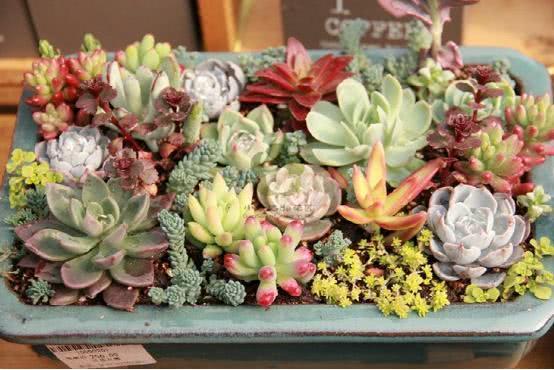
In summer, as temperatures gradually rise, succulents enter a dormant state. This is normally the time when we need to think about how to help them get through their "summer vacation," but somehow there are always some succulents that get sick, and among these, black rot is the most fatal. So for the health of your succulents, how can black rot be prevented and treated? This is what we hope to teach everyone today. What are we waiting for? Let's take a look together!
Know the root of the matter: What is black rot?
First, before "treating the disease," we need to understand black rot. Black rot is mostly caused by saprophytic fungi, and it occurs especially often during the high-temperature period in summer. Because succulents are in a dormant state at this time, their own resistance is low, which gives pathogens an opportunity. The main signs of succulent black rot are soft, drooping leaves that are no longer upright, and blackening signs appearing on the stems. Because it is contagious, once these already-infected leaves fall into the soil or are used for leaf propagation, they can very likely infect the potting soil with fungi, so we must take measures immediately.
So what should be done?
What should you do when a succulent gets black rot? The first thing that must be done is to deal with it immediately. The method can basically be summed up as "cut off wherever there is disease!" Prepare a sharp knife or scissors. To avoid cross-infection, you can disinfect them with alcohol beforehand. Cut off the diseased stems and leaves. Be careful during the cutting process not to be too soft-hearted - refuse to provide extra living space for black rot. Cut a bit more off, and ensure as much as possible that no part has been infected by the fungus. The cut-off parts that are not rotten can still be used for leaf propagation.
After cutting, the whole plant is now covered in wounds. We can use a disinfectant solution (potassium permanganate or carbendazim) for simple disinfection. After disinfection, the plant should not be watered immediately; it needs to be exposed to the sun for a few days. Of course, if you want to completely eliminate the disease, then the previous potting soil should also preferably be replaced. If you do not want to replace it, it also needs to be thoroughly exposed to the sun for a few days.
After a succulent gets black rot, another thing to pay attention to is increasing ventilation and lowering the temperature. As for the methods, if the outside temperature is not high, you can place the succulent in a ventilated area and let natural wind help drive away the pathogens. And if the outdoor temperature is too high, there is also a compromise method: place it indoors and use an electric fan to blow air. Remember, absolutely do not use an air conditioner.