Characteristics of wild grass bonsai: easy to grow, beautiful in form
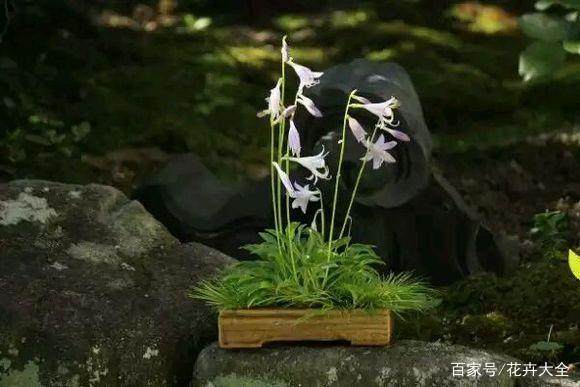
Wild grasses growing in the mountains are little known, and people do not pay them any particular attention when hiking, but in recent years, many talented bonsai enthusiasts are no longer satisfied with the plants commonly used for making bonsai and have turned their eyes to wild grasses. Thus wild grass bonsai came into being, and it is deeply loved by many people with a taste for a refined lifestyle. Characteristics of wild grass bonsai: easy to grow, beautiful in form!
Characteristics of wild grass bonsai
The name "wild grass" comes from Japan and refers to flowers, grasses and trees that can be used for decoration, have high ornamental value, and are suitable for making bonsai and potted plants. These include herbaceous plants such as white egret grass, orchid grass, resurrection plant, reed, Guanyin lotus, dwarf lilyturf, Dendrobium officinale, blue fescue, oxalis, saxifrage, geranium, blood grass and others, as well as various succulents, various types of moss, and small shrubs. These plants, commonly seen growing in the wild, have all been ingeniously crafted into works of art.
The characteristics of wild grass bonsai are simplicity, naturalness, and aesthetic beauty with a character of their own. Although simple, they are rich in content, not showy yet possessing their own distinctive colors. They can be placed in offices, studies, living rooms and other places, and in any corner they will create a serene and effortless sense of beauty.
Because wild grasses are easy to obtain, have strong survival ability, and are relatively simple and low-cost to make into bonsai, even amateur bonsai enthusiasts can create their own desired wild grass bonsai, fully displaying their creativity and bringing themselves closer to nature.
Wild grass bonsai care tips
Although grasses have strong survival ability and can basically grow well with a certain level of humidity and partial sunlight, grasses also grow rather messy, and wild grass bonsai are generally miniature, so caring for them is somewhat more difficult than for ordinary larger-sized ones.
Because wild grass bonsai containers are relatively small, their ability to store nutrients is relatively poor, and water evaporates quickly, so special attention must be paid to watering and fertilizing. This should be arranged according to the type of grass being cultivated and its growth pattern. Generally, the three periods around Qingming, from June to July, and around the Mid-Autumn Festival are the growing periods for wild grass bonsai, while winter and the period from July to September in summer are generally the dormant periods.
During the growing period, water frequently; during the dormant period, water sparingly or not at all. Fertilize in appropriate amounts: fertilize more during the growing period, begin reducing after autumn, and stop fertilizing in winter.
15°C-25°C is the most suitable growing temperature for wild vegetable bonsai. If the temperature is too low or too high, it will affect growth, so special attention must be paid to temperature management in summer and winter.
Wild grass bonsai need to be repotted after a period of time, once every six months or once a year, with the soil changed, and whether to change the pot should be decided according to the growth situation.
In addition, for wild grass bonsai, regular sterilization and disinfection should be carried out to prevent insects and diseases. Chlorothalonil, carbendazim, Bordeaux mixture, mancozeb, thiophanate-methyl and others should be selected for regular spraying according to the situation.