Poor indoor light? These plants can thrive even without sunlight
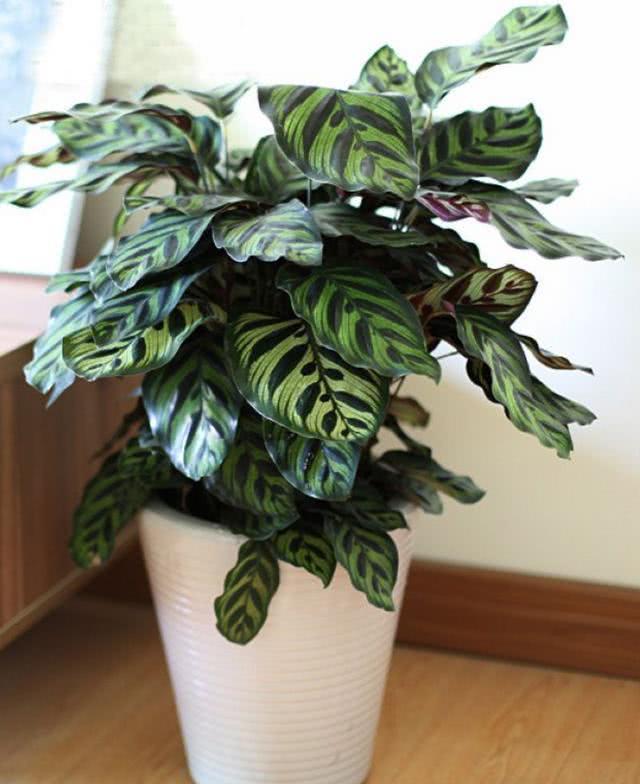
Nowadays, as the concept of environmental protection and health becomes more and more deeply rooted in people's hearts, more and more families like to grow a few potted green plants at home to purify the air and beautify the indoor environment. But they are also troubled by limited local conditions, with no yard and poor indoor light, and they worry that the plants they grow will not get enough light and will wilt or die. In fact, all things in nature have different habits. Comparatively speaking, flowering plants generally prefer sunlight, while many ornamental green plants can not only purify the air, but can actually live more vibrantly without sunlight during growth. Hurry up and grow a few pots!
1. Spider plant. When it comes to shade-loving plants, the spider plant must be mentioned. It not only likes a cool and humid environment, but also has a certain purifying effect on indoor air during growth. The spider plant is highly adaptable and can grow well under scattered light, while strong direct sunlight will instead turn the leaves yellow. The spider plant's reproductive ability is also very famous among green plants. Some flower lovers can propagate several pots from one small spider plant in just one year. Because it has a strong root system similar to small radishes, it is very drought-tolerant. However, it is not cold-tolerant in winter, and the most suitable growth temperature is 15~25°C.
2. Pothos. A popular green plant that likes water and shade. Its original growing conditions were in forests shaded by towering trees. Its ease of cultivation is comparable to that of the spider plant, and its leaves are emerald green, with a particularly high survival rate from cuttings. Its long vines can grow to more than ten meters, with strong climbing and twining ability and well-developed aerial roots. It can also be grown in water, and is deeply loved by the gardening public. Pothos likes warm, scattered light and comes to life upon contact with water, with tenacious vitality, so it is called the "flower of life"! Usually, if there is leftover beer at home, dilute it with water 20 times and use it to water pothos to make the leaves glossy and bright green. If the indoor temperature in winter is below 15°C, pothos leaves will be frostbitten, so attention should be paid to taking insulation measures when growing it in winter.
3. Lucky bamboo. Since ancient times, China has had the congratulatory saying "when flowers bloom, prosperity comes; when bamboo is reported, peace prevails." Because lucky bamboo has slender stems and leaves, is soft and elegant, and is full of bamboo charm, it is very popular. Lucky bamboo can be grown in water or in soil. It likes a semi-shaded environment and is not strict about light, and is suitable for growing under bright, scattered light. Excessive light and direct sunlight can cause leaf chlorosis, yellowing, and slow growth. For water-cultured lucky bamboo, change the water once every 7 days before rooting. After rooting, it does not need frequent water changes; each time, simply add water to the bottle. Lucky bamboo likes a humid environment. When the weather is dry, spray water on the leaves every day to keep them moist. To keep the plant growing well and avoid iron-deficiency chlorosis, add a few drops of 1:2000 ferrous sulfate solution to the water-culture bottle every 20 days, and add a small amount of nutrient solution every week to promote lush branches and leaves.
4. Asparagus fern. The asparagus fern has a graceful posture, slender and soft branches, and distinct layers, with extremely high ornamental value. It can be placed in the living room or study to add a scholarly atmosphere to the room. The asparagus fern likes a warm, humid, and semi-shaded environment. Strong direct sunlight, lack of water, water accumulation in the pot, excessively dry air, and long-term placement in environments with heavy radiation or cooking fumes can all cause yellow leaves. The most suitable growth temperature is 15~25°C. It is not cold-tolerant in winter, and the overwintering temperature is 5°C. The asparagus fern is not fond of fertilizer; during the vigorous growth period, apply a thin liquid fertilizer once a month after full decomposition. Usually, spray water on the leaves frequently to maintain the air humidity it needs. If you want the asparagus fern to have a beautiful plant shape, timely pruning during growth is indispensable. According to the plant shape and the node joints on the branches, cut off excess leaves and branches, and retain the main branches with distinct layers and orderly height, increasing the plant's airiness and ornamental value.
5. Money tree. The money tree has a beautiful plant shape, and its stems and leaves are green all year round. Because of its auspicious meaning, it is a very popular indoor foliage plant. The money tree has fine roots, so it is suitable for a shallow and small flowerpot to prevent water accumulation in the pot. The money tree is not cold-tolerant. If your money tree develops yellowing and falling leaves in winter, it is usually caused by too low a room temperature. As long as no mucus flows from the trunk, it means the root system is intact, and there is no need to worry. When the temperature rises in spring, the money tree will grow new leaves again. The money tree mainly relies on its green bare stems for photosynthesis, so before budding, when the spring sunlight is not strong, it can be given appropriate light. However, in summer and autumn, direct sunlight must be avoided, and it can also be moved indoors and given sunlight from time to time. When the air is dry, spray water on the leaves frequently to keep them moist and prevent yellowing.
6. Monstera. It symbolizes health and longevity. Its leaf shape is peculiar, with holes and splits, very much like a turtle shell, and its ornamental value is extremely high. It also has the characteristic of absorbing harmful gases such as formaldehyde, making it an ideal indoor ornamental plant. Monstera is a typical shade-tolerant plant, and its original living environment was under large trees in tropical rainforests. It likes a warm and humid environment, and strong direct sunlight and dryness must be avoided, otherwise the leaves will age and lack natural luster. To maintain sufficient air humidity, use a spray bottle with good atomization to mist the leaves. The most suitable growth temperature is 15~20°C. If the temperature exceeds 30°C or falls below 5°C, growth will stagnate. The roots of monstera are relatively tender, so avoid raw fertilizer and concentrated fertilizer when fertilizing, to prevent root burn. From April to September, during the vigorous growth period, apply dilute cake fertilizer water once every 15 days. With sufficient fertilizer, the leaves will be emerald green.
7. Rubber plant. Its leaves are large and glossy, and it is evergreen all year round, a famous potted foliage plant. It likes scattered light and is shade-tolerant. It is not tolerant of strong direct sunlight; when the light is too strong, it will scorch the leaves, causing yellowing and scorched leaves. It is heat-tolerant but not cold-tolerant. When the temperature is low, it will produce a large number of fallen leaves. The rubber plant has a unique function of purifying dust, and can also purify formaldehyde among volatile organic compounds.
8. Peace lily. Also known as white crane taro and "smooth sailing," when it blooms, its flower stems are upright and beautiful. As a potted plant decorating the living room or study, it is elegant and unique, and is a new generation of indoor potted flowers. It can also filter indoor waste gases and has a certain cleaning effect on ammonia and formaldehyde, etc. It is relatively shade-tolerant and afraid of strong direct sunlight. In winter and early spring, when the light is not strong, it can be placed on a sunny balcony or bedroom windowsill to receive sufficient light. If the room temperature is below 10°C, the leaves are prone to frost damage. The peace lily can be grown in water or in soil. For water culture, add water once a week, and each time add a small amount of water-culture nutrient solution. For soil culture, repot once every 1~2 years. When repotting, prune the root system and replace with new culture soil to promote flowering. The peace lily likes a warm and humid environment. To avoid withered and yellow leaves, spray water on the leaves frequently to keep them moist and increase air humidity.
In addition to the above common shade-loving plants, ornamental flowering and foliage plants such as dragon blood tree, evergreen, anthurium, the Marantaceae series, and bromeliads also have strong shade tolerance and are very suitable for indoor cultivation.