Watering flowers in summer has its rules; if you do not understand the method, sooner or later you will be left with only empty pots
Watering flowers in summer has its "rules"; if you do not know them, stop quickly, or sooner or later you will be left with only pots!
Summer has arrived, and once again it is time for all kinds of flowers and plants to grow
How much searching, how much looking back. Thinking of you, in a notebook drifting with the fragrance of flowers; missing you, in a dream carrying hope; thinking of you in the blood-red glow of the setting sun. A trace of floral fragrance, a curtain of pale moonlight, a cup of clear tea, a plain brush. Paint you into a painting, write you into a poem, because of you, the years have become especially gentle.
peak season. Because summer temperatures are very high, if you want to grow flowers well, watering is very important, but do you know what rules there are for watering in summer? What is the difference between watering in the morning, noon and evening? If you do not know, and the watering method is wrong, the flowers really can be watered to death very quickly, and sooner or later only the pots will be left.
The rules for watering flowers in summer: it is best not to water flowers at noon
Because at noon the temperature is the highest, and for potted flowers and plants the leaf surface temperature is certainly also the highest. At this time the transpiration of the potted plant is at its greatest. If you use cold water to water the flowers at this time, it will damage the root hair pores of the potted plant. If this is done for a long time, it will cause the potted plant to die.
If a potted plant really needs watering at noon in summer, then flower growers can do this: first move the water-deficient potted plant to a cool, ventilated place, wait for the flower pot temperature to drop, then use the spray method, and also humidify and cool the surrounding environment. This can reduce the stimulation brought to the flowers by the temperature difference and at the same time help the dehydrated flowers recover their vitality.
So in summer, watering flowers should avoid the high-temperature period; you can choose morning or evening. Noon and from 2 to 4 in the afternoon are the most unsuitable time periods for watering flowers.
Below, Xiaohua shares a few more potted plants that especially need attention when watering in summer
1. How to water gloxinia in summer
Gloxinia enters dormancy under both high temperatures of 30 and low temperatures of 5 degrees. During the dormant period, the potting soil must not be too moist, otherwise it will cause gloxinia root rot. It should be watered thoroughly only after drying out. If it is on the dry side, then it should be watered, and when watering, pour slowly and stop once all the soil has been thoroughly watered.
2. How to water aloe in summer
The characteristic of summer is high temperature and large evaporation, so watering should be frequent; it can be watered once every 2-3 days. In summer, watering should be done in the evening, and by all means do not water in the morning, as this easily causes scorching. In summer, you can also often spray water on the aloe to lower the temperature.
3. How to water snake plant in summer
In summer, snake plant should preferably be placed on a semi-shaded balcony or in a bright indoor spot, and watered after the potting soil dries. When the weather is hot, spray water around it every day to increase air humidity, and be sure to strengthen indoor ventilation. However, there must be no water accumulation in the pot; being a little dry is fine, but water accumulation in the pot will cause root rot.
4. How to water fuchsia in summer
For watering fuchsia, the principle of "water when dry, stop when wet" should generally be followed. During the flowering period, potting soil that is too dry or too wet can easily cause bud drop, flower drop or leaf drop. In summer, when the temperature reaches above 25°C, watering should be gradually reduced, about once every 1 week to half a month, because at this time fuchsia enters its dormant period. In the morning and evening, you can spray water around the plant to lower the temperature and increase air humidity
。
5. How to water succulents in summer
When it is hot, the most important thing for succulents is to control water. But many flower growers always worry about "thirsting" the succulents, and every time they water they cannot hold back, which very easily causes succulent root rot.
In summer, when watering succulents, the cycle can generally refer to the usual watering cycle, just extended a little. Under normal circumstances, observe the potting soil, and water once it is found to have dried out.
If the soil has poor air permeability, then the watering interval should be extended a little more, because although the surface of this kind of soil may already be dry, in fact the bottom is still moist.
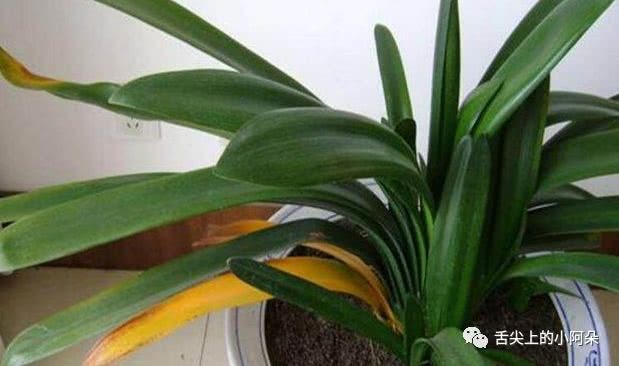
6. How to water clivia in summer
Although clivia needs more water in summer than usual, it should still not be watered until dry, and when watered, water thoroughly. The most important thing is that in summer you must not water as soon as you see the surface soil is dry.
Because summer temperatures are high, the surface soil may be dry while the soil below is not yet dry. Watering like this for a long time will easily soak and rot the fleshy roots of clivia, causing yellow leaves, and if not discovered in time, it will leave you.