Repot your mosquito-repellent plant like this after buying it, and its mosquito-repelling effect can double
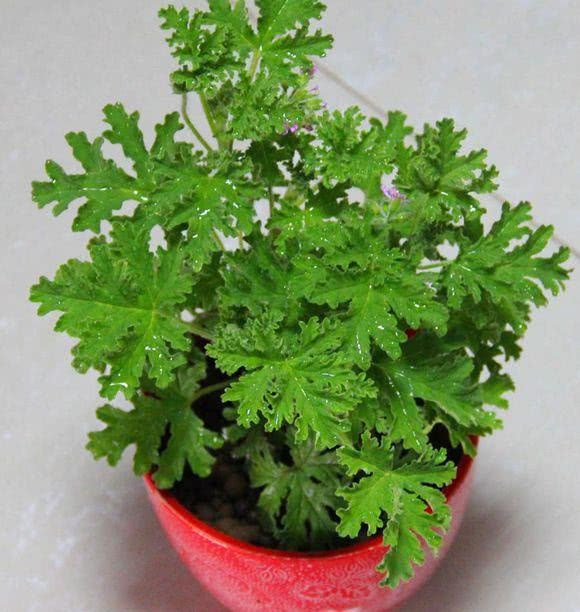
In a season like this, no matter how we try to keep them out, little bugs still follow us into the house. And we can't exactly spray pesticide and light mosquito coils every day, right? Getting bitten is so uncomfortable, and just thinking about it makes us mad. So today I want to recommend a plant to everyone - the mosquito-repellent plant (scented geranium). You can probably tell what it does just from its name. Come take a look with Huahua!
The mosquito-repellent plant has another name: scented geranium (Pelargonium graveolens). The reason it can have a mosquito-repelling effect is the fragrance it gives off, which bugs resist. But to us this scent smells very cool and refreshing, with a light lemon fragrance, making it especially suitable to keep a pot of at home in summer, and it is very easy to grow.
When buying a mosquito-repellent plant, pay close attention to its leaves, and don't overlook the yellowing, listless leaves inside, because if we buy it like that, we'll have to spend time tidying it up. It's recommended to repot it right after buying it, and while you're at it you can also check how its roots are growing!
Before repotting, be sure not to water it first, so you can complete the de-potting smoothly and also protect its roots well. First we need to take it out of the pot, then trim it. Judge whether to replace the soil based on the condition of the original soil; if you do replace it, you need to clean off the soil with your hands, because this way you can control the force well and avoid damaging the plant's roots.
After dealing with it, we can plant it into the pot. First put a layer of soil at the bottom of the flowerpot, then place the mosquito-repellent plant in, and continue filling with soil. Remember to hold the plant upright while filling the soil, otherwise it will grow crooked. After filling, gently press the soil firm with your hands, because new soil is too loose and will collapse right down when watered, but don't press it too tight either, otherwise the roots won't be able to breathe and that will ruin things!
We can also check along the way whether it has problems like yellow leaves. If you find yellow leaves and leggy growth, just cut them off directly, because keeping them only wastes nutrients. So, for the sake of the whole plant's shape and growth, we have to be "ruthless"!
After everything is dealt with, it's time for the last step: giving it a thorough watering. We'd best draw the water two days in advance and leave it on the balcony, because now that the weather is warming up, watering directly with cold water will damage its roots.
After repotting, we should place the mosquito-repellent plant in a sunny, well-ventilated spot, letting it slowly adapt to the new environment and then resume growing. Light is very important to it. Don't be fooled by its green leaves - it actually isn't afraid of sun; on the contrary, it's insufficient light that makes it grow more and more listless.
So apart from in summer, we can keep it on a south-facing balcony at other times, but because the sunlight is too strong right now, we should temporarily move it to a bright, well-ventilated spot, and there's no need to shade it completely!
Also, placing it at a window: in this stuffy, hot weather, if ventilation isn't done well, it's fatal for any plant! In addition, putting it on the windowsill can also drive away some mosquitoes and bugs, and its fragrance can drift through the whole house with the wind!
As for watering, there's no need to do it too often, because it is drought-tolerant; otherwise it will drown. Normally we can use a spray bottle to mist its leaves, which not only increases the mosquito-repelling effect, but also makes the scent feel even more refreshing to us!