Grow gardenias this way for lush branches and nonstop blooms
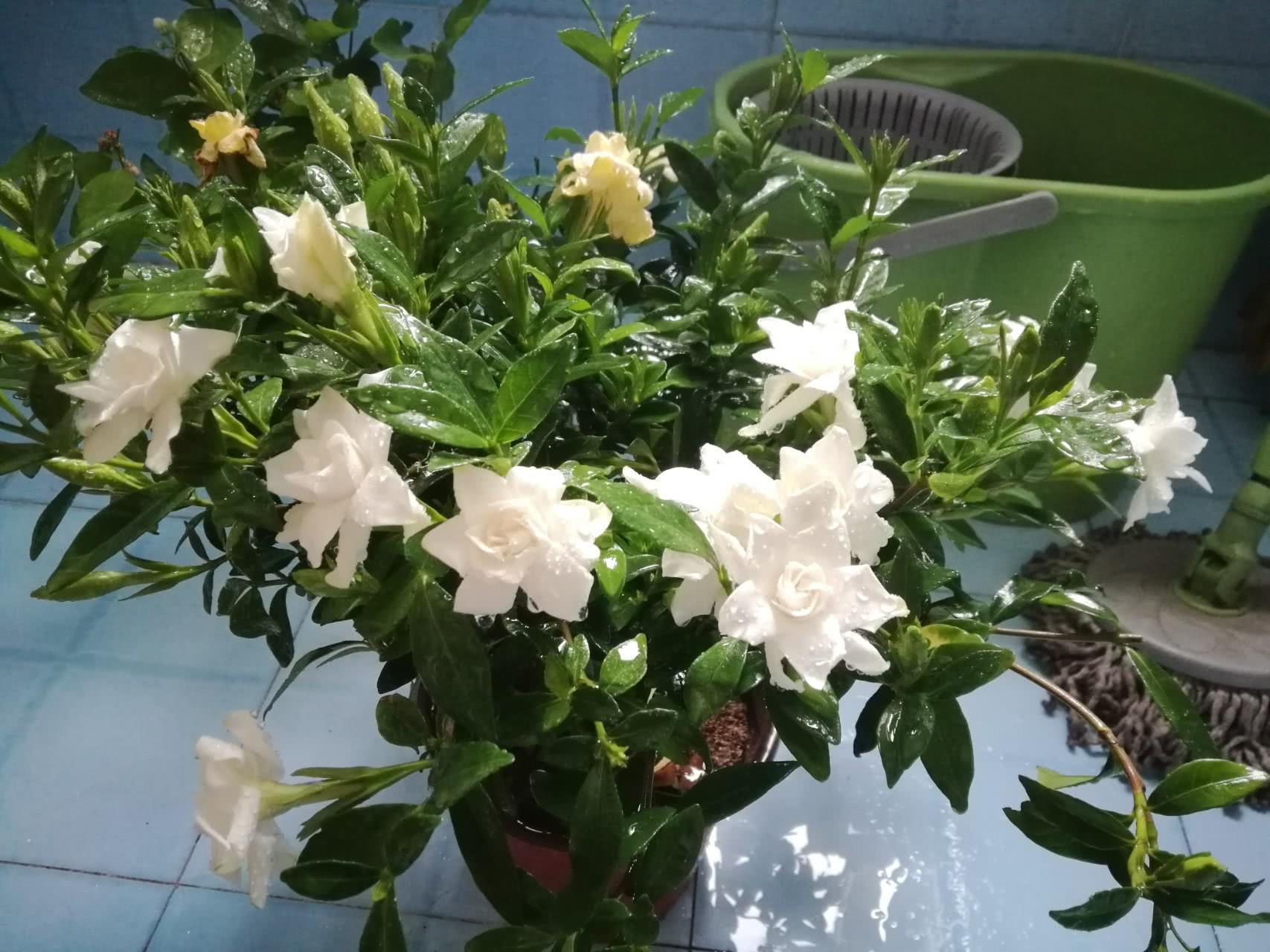
Gardenias have lush branches and leaves, bear small white flowers, and give off waves of delicate fragrance. Right now is exactly the gardenia blooming season, but many flower-loving friends wait and wait and they just never bloom, while others originally grow a few flower buds, but later they drop off. You really want to dedicate a song called "Liang Liang" to yourself. So below, let me introduce to everyone the main reasons why gardenias drop buds and fail to bloom, as well as the solutions.
Watering
Gardenias are naturally fond of a moist environment. If you give them too much water, water will accumulate in the soil, which will make the leaves grow wildly, and then they will lack nutrients for blooming, directly causing the flower buds to drop. Secondly, if the plant is not watered for a long time, the soil will become too dry, thereby affecting flower bud growth. So when watering gardenias, it is best to water when the soil is dry and stop when it is wet. When watering gardenias now, it is best to do so in the morning or evening, and you can spray some clean water on the leaves, but do not spray it on the flower buds, otherwise the flower buds are prone to rot and drop.
Fertilizing
If the gardenia has still not grown flower buds by now, it means it lacks fertilizer. Before the plant's blooming period, you must apply some potassium and phosphorus fertilizer, or use your own fermented rice water. If flower buds have already grown, then do not fertilize the gardenia, otherwise it is easy to over-fertilize and cause the buds to drop. If the gardenia's leaves turn yellow, you can use vinegar and clean water at a 1:10 ratio for the gardenia. This can not only supplement nutrients, but also make the leaves glossy.
Pruning
If the gardenia's branches and leaves are too lush, they will consume too many nutrients, and it is also not conducive to better photosynthesis in the gardenia, thus preventing the gardenia from blooming. So when growing gardenias, you can prune away some diseased branches, leggy branches, and so on, and then after blooming, the remaining flowers should also be removed in time. In this way, there will be sufficient nutrients for blooming.