Is the herbaceous peony easier to grow than the tree peony? The differences in caring for the two explained in one go
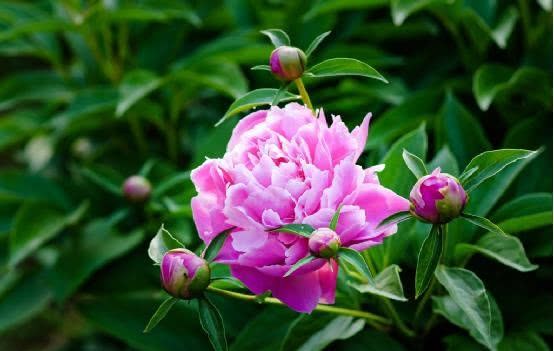
Since ancient times, the herbaceous peony has always been compared with the tree peony, but in the eyes of flower lovers, each has its own merits. Although the herbaceous peony looks delicate and lovely, it is by no means inferior in other respects - for example, its medicinal value is simply outstanding. The editor will now discuss whether the herbaceous peony can be grown at home. If it can be grown at home, then how should it be cared for?
Debunking myth one: The herbaceous peony cannot be planted at home?
There is a saying in everyday life that the herbaceous peony is very beautiful, and because the more beautiful it looks, the more likely it is to be poisonous, the editor here must speak up for it and set the record straight: do not assume it is poisonous just because it looks beautiful. It is all the stereotypes in our heads playing tricks on us. However, after painstaking verification, the editor found that the herbaceous peony actually has no toxicity at all; on the contrary, it even has medicinal value. It is truly beautiful on the outside and beautiful on the inside, so friends can confidently and boldly take it home to grow.
Debunking myth two: Can earthworms be put in the herbaceous peony's pot?
This depends on the situation. If it is in the ground, then put them in freely, but in a pot it is different: not only is there no benefit, but the earthworms will tunnel and damage the roots, so the loss outweighs the gain! So it is better not to put them in.
How to grow the herbaceous peony at home?
Soil conditions:
The roots of the herbaceous peony penetrate deep into the soil. It has a strong will to survive and is quite temperamental, and it still has high demands for soil. It prefers sandy soil with good drainage and aeration. If drainage is poor, the roots rot easily, and once the roots rot, it is very difficult to deal with, so friends should be on their guard. If friends do not want to take the trouble to mix soil slowly themselves, they can buy ready-made soil.
Light conditions:
The herbaceous peony loves "sunshine". It is a long-day plant; in other words, it cannot do without light. The editor suggests growing it in a courtyard, where it can receive a large area of light. But what if friends do not have a courtyard at home? Then settle for the next best thing! It can be placed on a balcony or windowsill, and it must be exposed to sunlight for long periods. Otherwise it will not bloom, and then friends will not be able to admire its beauty.
Water conditions:
The herbaceous peony fears waterlogging, so every time flooding occurs, it is a devastating blow to the herbaceous peony, and only herbaceous peonies in high places can survive. The herbaceous peony does not need frequent irrigation, so friends should not be too eager. Herbaceous peonies grown at home are very delicate and have not experienced the wind and frost outside, so frequent watering may cause root rot.
Fertilizer conditions:
The herbaceous peony loves fertilizer; it could be said to be unhappy without it. You can fertilize it according to its needs at each growth stage, and it can be top-dressed about three times a year. In the seedling stage, that is, its childhood, you can apply "flower fertilizer"; after the flowering stage, that is, its adult stage, "bud fertilizer" then takes the stage to replenish the large amount of nutrients lost from flowering. Once it "hibernates", you can apply "winter fertilizer".
After the editor's incisive summary, the conclusion is: more fertilizer, less water, more sun, and it can overwinter in the open air. Once friends do these things, growing the herbaceous peony at home is no pressure at all.